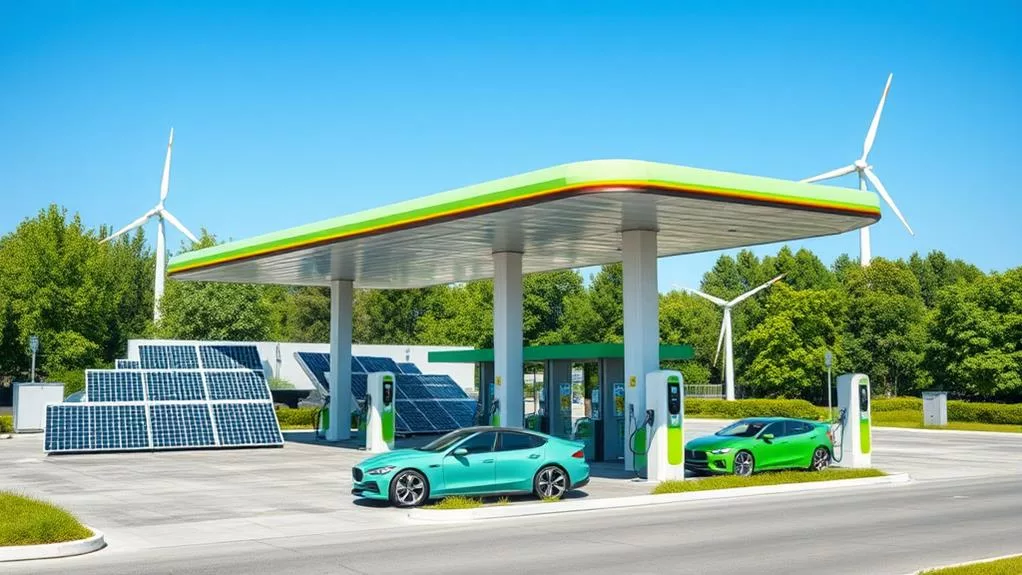
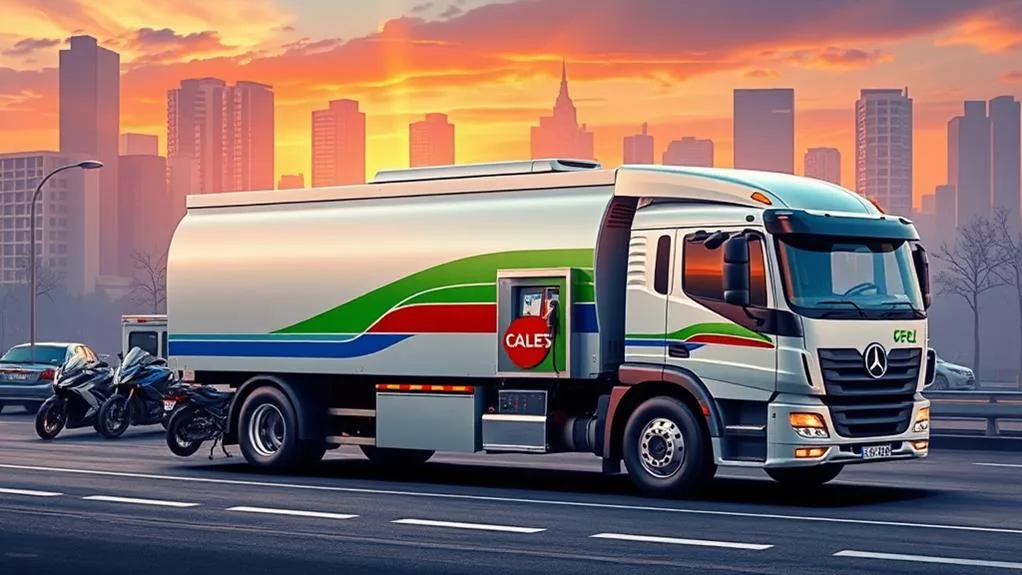
Selecting the appropriate fuel type for tailored deliveries necessitates balancing efficiency, cost, and adherence to regulations. Begin with an analysis of your business's fuel requirements, taking into account geographic routes and vehicle efficiencies. Compare fuel types such as petrol, diesel, hybrid, and electric for their cost-effectiveness and emissions. Eco-friendly alternatives like biodiesel and HDRD can enhance sustainability. Conduct a comprehensive cost analysis to understand long-term financial implications and choose a reliable supplier to ensure consistent fuel management.
Adhering to environmental regulations is essential to avoid legal complications and enhance your reputation. Future trends indicate the integration of cleaner fuels and advanced technologies to accommodate changing demands. Understanding these nuances will help you stay ahead.
Assessing Business Fuel Needs
Understanding the precise fuel requirements of a business is essential for optimising fleet efficiency and cost management. Determining the types and quantities of fuel necessary ensures seamless operations. Recognising fuel consumption patterns is important in this assessment, as it helps identify the effectiveness of vehicles and equipment, guiding strategic decisions for enhanced performance.
Geographic locations and routes significantly influence a business's fuel strategy. Analysing these factors allows companies to select the most suitable fuel types, aligning operations with logistical needs. Consideration of the environmental impact and regulations related to various fuel options is also vital. Adhering to these regulations not only supports sustainability but also enhances a company's reputation and community connections.
Evaluating the cost-effectiveness and long-term benefits of different fuel types is crucial for informed decision-making. For instance, using biodiesel can reduce emissions and comply with environmental standards. Customised fuel deliveries, tailored to specific business needs, offer a strategic advantage when these elements are carefully assessed.
Aligning fuel choices with operational demands enables businesses to achieve optimal efficiency and sustainability. This approach fosters a sense of belonging and responsibility within the community while enhancing overall performance.
Comparing Fuel Types
When considering the range of fuel types available for tailored deliveries, evaluating their effectiveness, upkeep expenses, and environmental impact is crucial. Conventional options like petrol and diesel offer well-established infrastructure and familiarity. However, they often struggle with emissions management and fuel efficiency, presenting challenges in meeting strict regulatory standards and sustainability goals. Diesel, while generally more fuel-efficient than petrol, incurs increased maintenance costs due to complex engine systems.
Hybrid vehicles provide a balance between fuel efficiency and emissions control by utilising both internal combustion and electric power. They have reduced maintenance expenses and a moderate environmental impact, making them suitable for various operational needs in customised deliveries. For instance, the Toyota Prius is a popular choice for its reliability and fuel savings.
Electric vehicles (EVs) represent the peak of low emissions and sustainability. Though they have a higher initial purchase price and require new infrastructure, EVs excel in effectiveness and reduced long-term maintenance costs. The Nissan Leaf is a noteworthy option for those prioritising environmental benefits.
To optimise operational efficiency, companies should consider broadening their fuel options. This expansion can address specific delivery requirements, enhance fuel efficiency, and reduce costs, while aligning with environmental commitments. Selecting the appropriate fuel type is vital for achieving efficient customised delivery solutions.
Evaluating Eco-Friendly Options
Examining environmentally friendly fuel options provides a pathway to reducing carbon emissions and enhancing sustainability in delivery operations. Organisations strive to meet corporate social responsibility goals and comply with environmental regulations; adopting sustainable fuels becomes increasingly critical. Biodiesel and hydrogenation-derived renewable diesel (HDRD) emerge as leading alternatives to conventional fuels, offering significant benefits for sustainable fleet operations.
Biodiesel, derived from vegetable oils or animal fats, significantly lowers carbon emissions compared to traditional diesel. It is a renewable, biodegradable fuel that reduces environmental impact and supports the transition to a greener economy.
HDRD, produced from renewable sources, contributes to reducing greenhouse gas emissions, further solidifying its role in eco-friendly fuel options.
Evaluating these fuels involves gauging their long-term benefits and environmental impact, ensuring alignment with broader sustainability objectives. Integrating these eco-friendly fuel options allows companies to reinforce their commitment to reducing carbon footprints and enhancing operational sustainability.
Organisations foster a sense of belonging among stakeholders attuned to the importance of ecological responsibility and sustainable practices.
Cost Analysis and Budgeting
Conducting a comprehensive cost analysis is crucial for determining the budget necessary for selecting suitable fuel types for tailored deliveries. This requires an in-depth examination of fuel prices in South African Rand, delivery costs, and vehicle efficiency to ensure that all operational needs are effectively met. As a community of conscientious decision-makers, understanding the total cost of ownership (TCO) is essential. This detailed approach assists in assessing the long-term financial implications of different fuel options, promoting a sense of unity among those committed to sustainable and economical delivery solutions.
Accurate data and cost projections are vital when budgeting for fuel types. Organisations can make informed decisions aligned with their financial goals and operational needs. Scrutinising the impact of fuel expenses on the entire budget reveals potential cost-saving opportunities. Opting for the most efficient fuels, such as biodiesel or electric alternatives, can significantly reduce delivery costs, enabling businesses to allocate resources more strategically.
A well-conducted cost analysis supports effective budgeting and empowers organisations to thrive within their financial constraints while maintaining the quality and reliability of their customised deliveries. This shared dedication strengthens the network of businesses aiming for excellence in the logistics sector.
Supplier Selection Criteria
In the realm of customised deliveries, choosing the right fuel supplier is crucial for maintaining efficient operations. A reputable and dependable supplier forms the backbone of seamless fuel delivery services. To ensure smooth operations, consider the supplier's reputation and reliability. It's essential to partner with a supplier that demonstrates a strong track record of compliance and integrity.
Assess the supplier's location and coverage area to ensure they align with your needs. A supplier offering a range of fuel types, such as petroleum diesel, synthetic diesel, biodiesel, and renewable diesel, provides the flexibility needed to meet diverse operational requirements. Check if they can supply tailored fuel blends to your unique specifications.
Efficient fuel management services minimise disruptions. A supplier offering emergency fuel delivery and consistent support ensures operations remain uninterrupted. Customer service is crucial; a responsive and supportive team fosters trust.
Selecting the right supplier not only enhances operational efficiency but also strengthens your ability to provide superior service. This careful selection process ultimately contributes to the long-term success of your delivery operations.
Understanding Regulatory Compliance
Regulatory compliance significantly influences fuel choice for customised deliveries through adherence to local, state, and federal laws. These regulations focus on emissions standards and environmental guidelines, which businesses must comply with to avoid penalties and legal complications. Compliance often necessitates using specific fuel types, additives, or alternative fuels designed to meet stringent environmental standards.
For businesses keen on maintaining their reputation and fostering a sense of community among environmentally conscious customers, understanding and adhering to these regulations is essential. Regular monitoring and reporting of fuel usage and emissions are crucial aspects of regulatory compliance. These practices ensure adherence to current regulations and keep businesses informed about evolving industry standards.
Remaining informed about regulatory changes is crucial for making well-informed decisions regarding fuel selection. This approach reduces risks, improves operational efficiency, and positively contributes to environmental conservation.
In an industry where compliance is vital, a proactive stance on fuel selection reflects a commitment to sustainability and responsible business practices, building trust and loyalty among stakeholders.
Future Fuel Considerations
The landscape of fuel choices is evolving, driven by technological advancements and shifting environmental priorities. Businesses looking towards the future of customised deliveries must consider future fuel options. Embracing renewable energy sources such as biofuels, hydrogen, and electric power is essential. These alternatives reduce emissions, enhance energy efficiency, and promote sustainability. The transition to cleaner fuels is accelerated with regulations and incentives, encouraging industries to adopt eco-friendly practices.
Fuel delivery services may integrate autonomous refueling systems and smart technologies. These innovations streamline operations and align with environmental goals. Achieving these advancements requires collaboration among industries, governments, and fuel providers. Together, they can address the complexities of future fuel considerations and develop sustainable solutions for all stakeholders.
In this era of change, businesses are invited to join a community valuing sustainability and innovation. Investing in cleaner fuel options contributes to a healthier planet and aligns with a global movement towards sustainable progress.