Crafting bespoke fuel plans for remote locations necessitates addressing unique logistical challenges and accessibility requirements. A thorough understanding of local conditions, such as harsh weather and limited infrastructure, is essential. Effective fuel solutions incorporate technology like GPS and automated systems to enhance delivery accuracy and efficiency. Improvements in accessibility, such as digital documentation and flexible payment options, ensure inclusive services. Collaboration with local communities further enriches these tailored plans, providing sustainable energy solutions.
Customised fuel schedules optimise consumption and delivery to prevent shortages and reduce expenses. For those seeking a more thorough understanding of these strategies and their implementation, additional information is available.
Understanding Remote Fuel Needs
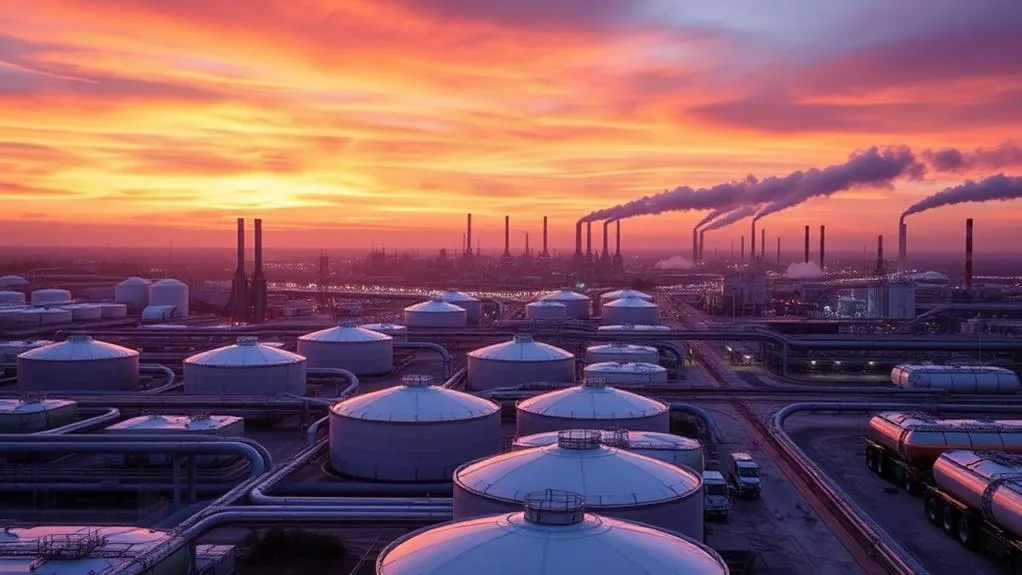
Understanding the fuel needs of remote areas is a complex yet crucial task for ensuring a sustainable energy supply. Isolated locations present unique challenges due to their lack of access to conventional fuel sources. Grasping these regions' specific fuel consumption patterns and energy demands is essential in crafting effective solutions. The aim is to develop customised strategies that not only address immediate energy needs but also promote long-term sustainability.
Energy demands in remote areas can vary significantly due to factors such as extreme weather conditions and limited transportation infrastructure. These variables necessitate an in-depth understanding of the local context to determine optimal fuel types and quantities. For example, severe climates may lead to increased energy consumption, necessitating resilient storage solutions and robust delivery systems.
The absence of established transport routes adds complexity, requiring innovative approaches to fuel logistics.
Tailored fuel plans must be meticulously crafted to tackle these challenges. They aim to reduce costs in South African Rand and minimise environmental impact while ensuring uninterrupted energy access. Aligning fuel consumption with actual energy demands, such plans can improve operational efficiency, contributing to the broader goal of sustainable development in these isolated communities.
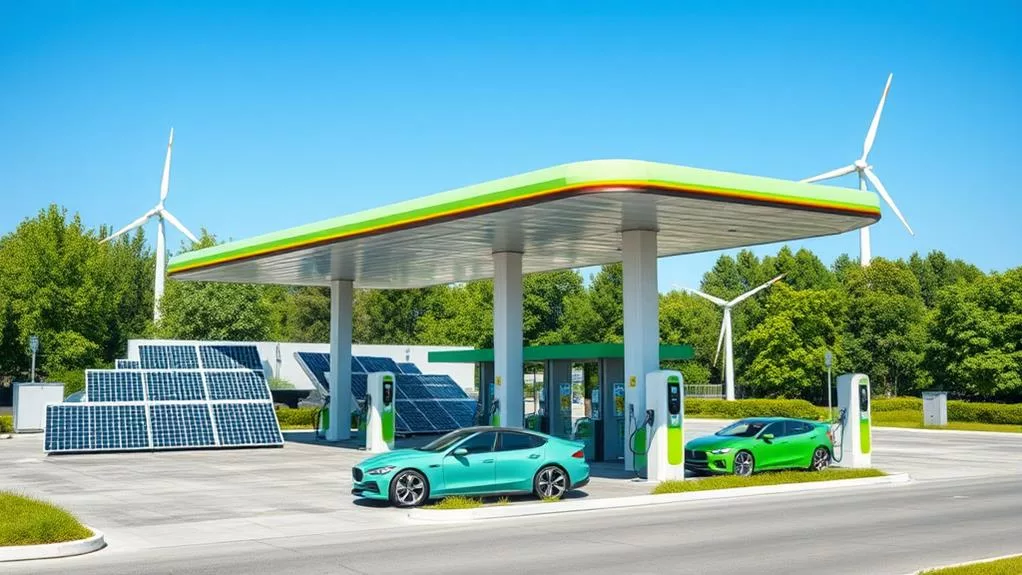
For instance, the use of solar panels and wind turbines can be considered as alternative energy sources, reducing reliance on traditional fuels. Various solar panel models, like the LG NeON® R, offer high efficiency suitable for remote locations.
Tailoring Fuel Delivery Solutions
Developing effective fuel delivery solutions for remote locations requires a comprehensive understanding of the unique logistical challenges these areas present. Customised solutions must consider factors like distance, terrain, and weather conditions, ensuring fuel is delivered efficiently and reliably. Efficient scheduling reduces downtime and logistical barriers.
Analysing the specific needs of remote areas allows suppliers to create flexible delivery schedules that accommodate unexpected circumstances, ensuring businesses and industries in these regions maintain uninterrupted operations.
Technology integration plays a crucial role in enhancing these bespoke fuel plans. Tools such as GPS tracking and automated monitoring systems provide real-time updates and control over the fuel supply chain. This technological advantage guarantees timely, cost-effective deliveries, offering a dependable lifeline for remote operations.
These systems improve communication between suppliers and clients, fostering a sense of partnership in overcoming challenges.
Personalised fuel plans serve as a vital backbone for remote businesses, enabling them to thrive despite the inherent challenges of their locations. Prioritising efficient scheduling and embracing technology integration, customised solutions meet the unique demands of remote environments, promoting resilience and reliability.
For instance, SatNav Systems Ltd offers advanced GPS tracking solutions that ensure precise delivery timing. Meanwhile, FuelGuard Monitoring Systems provides automated monitoring tools that optimise fuel supply efficiency. These innovations support businesses in maintaining seamless operations without interruption, even in the most challenging locations.
Overcoming Accessibility Challenges
Addressing accessibility challenges in remote locations requires innovative approaches to ensure that fuel services are inclusive and effective. Implementing accessible formats for fuel plan documentation enhances usability, particularly for individuals with disabilities. This ensures everyone can comprehend and engage with the services provided.
Remote communication plays a crucial role in bridging the gap between service providers and consumers in isolated areas. Offering alternative communication methods such as video calls or online chats helps providers meet diverse needs and maintain seamless interaction, overcoming significant accessibility obstacles.
Integrating accessibility solutions like flexible payment options and online billing portals greatly improves the customer experience. These solutions cater to varied financial capabilities and preferences, facilitating easier transaction processes for remote customers. For instance, online platforms that accept payments in South African Rand can simplify the payment process.
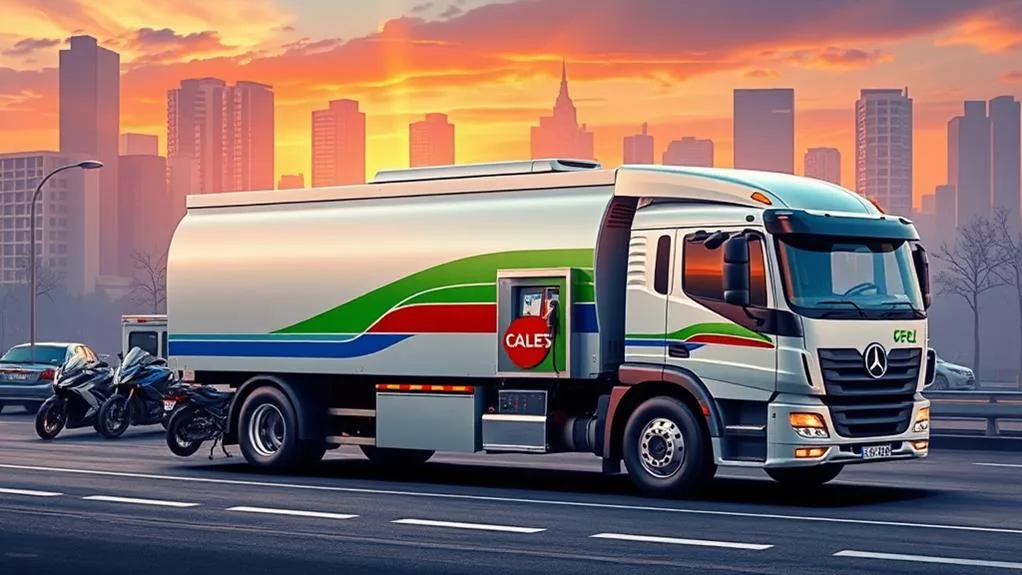
GPS tracking for fuel deliveries ensures timely and efficient service, addressing the logistical complexities of reaching remote areas.
Collaborating with local communities and organisations is another effective approach. Recognising and addressing specific accessibility needs allows providers to offer more inclusive fuel services. This collaboration fosters a sense of belonging and community ownership, ensuring distant locations are not excluded from accessing vital resources.
Key Benefits of Customised Plans
Tailored fuel plans provide substantial advantages for remote locations by optimising fuel consumption to fit specific needs and usage patterns. These plans are meticulously crafted to ensure a reliable and consistent fuel supply, which is crucial for uninterrupted operations in isolated areas. Customising fuel delivery schedules to align with demand variations enables organisations to achieve greater cost efficiency, reducing unnecessary expenditures and conserving resources effectively.
The flexibility and convenience of tailored fuel plans guarantee that remote locations can always meet their operational requirements without disruption. This adaptability prevents potential fuel shortages and downtime, enhancing operational performance by ensuring equipment and machinery function at optimal levels. Leveraging historical data and trends, these plans adopt a proactive approach to fuel management, instilling a sense of security and community among stakeholders who depend heavily on uninterrupted fuel access.
Implementing tailored fuel plans empowers remote locations to operate more efficiently and productively. Aligning fuel supply with precise operational needs contributes to overall improved performance, paving the way for sustainable growth and success in challenging environments.
For instance, using smart fuel monitoring systems like the FuelMaster can provide real-time data and analytics to further enhance fuel management strategies. Additionally, adopting renewable energy sources, such as solar panels with battery storage, can complement traditional fuel sources, ensuring a more sustainable energy supply.
Implementing Efficient Logistics
Efficient transport is essential for the successful implementation of customised fuel plans in remote areas. Strategic planning ensures timely delivery through optimised transportation routes and schedules. This approach addresses the unique challenges of isolated areas and fosters a sense of reliability and involvement among all stakeholders.
Technology integration is vital in enhancing transport operations. Advanced tools such as GPS tracking and real-time monitoring systems provide accurate navigation and streamlined coordination, reducing the risk of delays and disruptions. Incorporating these technologies allows companies to maintain smooth communication between suppliers, transporters, and on-site personnel, reinforcing a connected network dedicated to operational excellence.
Supply chain optimisation further strengthens transport effectiveness. It minimises costs and maximises efficiency. Refining each step of the process, from fuel acquisition to delivery, ensures resources are allocated wisely and sustainably. This enhances operational effectiveness and builds trust, fostering a shared commitment to overcoming logistical challenges in remote areas. Implementing efficient transport ensures that customised fuel plans are feasible and robust, establishing a foundation for long-term success.
Ensuring Continuous Fuel Supply
Maintaining a steady fuel supply in remote areas is crucial for operational success and involves a comprehensive approach. Remote monitoring systems, which offer real-time data on fuel levels, are essential for managing fuel consumption. This technology allows for precise monitoring of supplies, preventing unexpected shortages that could disrupt operations.
Automated delivery scheduling based on consumption patterns is vital for ensuring the timely replenishment of fuel supplies. These systems analyse usage trends, predicting future needs and organising deliveries accordingly. Partnering with local suppliers for emergency deliveries provides an additional layer of security, ensuring backup options during unforeseen disruptions.
Regular maintenance and inspections of fuel storage tanks and equipment are crucial to avoid failures that could compromise fuel supply. Developing contingency plans, including backup storage solutions, mitigates risks and ensures uninterrupted availability. Embracing these strategies allows communities in remote locations to achieve a sense of reliability and assurance, knowing their operational needs are consistently met.