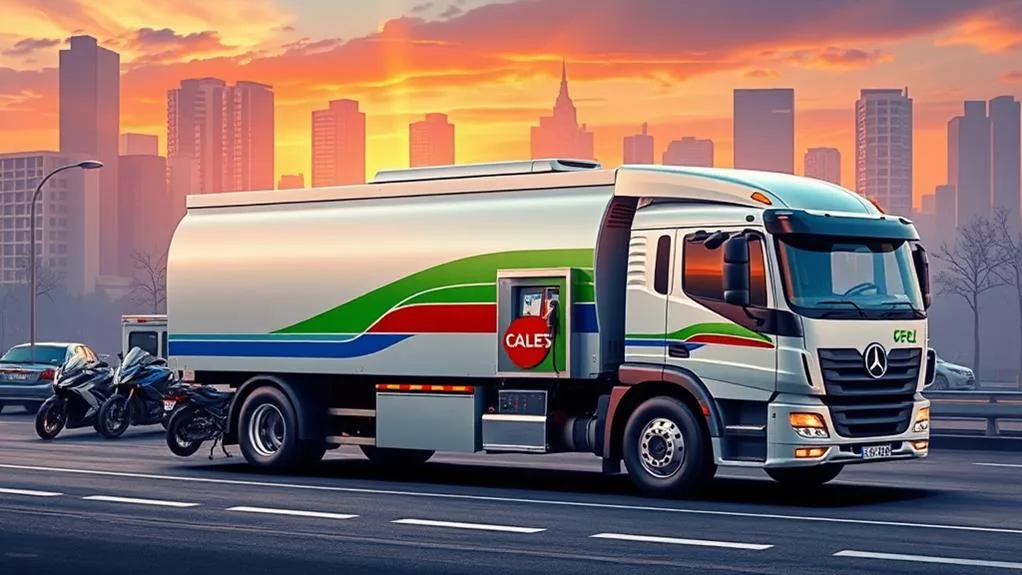
Customising fuel delivery necessitates a comprehensive approach, starting with an analysis of precise fuel requirements based on fleet locations and operational patterns. Delivery schedules should correspond with fuel consumption trends and accommodate seasonal variations.
Selecting the appropriate fuel type, whether traditional or alternative, is crucial for optimising performance and environmental impact. A detailed assessment of storage needs ensures compatibility and efficiency, while choosing reliable delivery partners with strong communication capabilities is vital for smooth operations.
Embracing technological advancements for real-time data and cost management strategies can further enhance efficiency. Consider how these factors contribute to tailored fuel solutions.
Understanding Fuel Requirements
Understanding the intricacies of fuel requirements is vital for optimising fleet operations. Analysing fleet locations and operational areas is necessary to determine precise fuel needs. These insights are crucial when choosing a fuel delivery service, ensuring they can provide on-demand fuel delivery with precision and efficiency.
A comprehensive fuel strategy includes various fuel types and requires awareness of how these needs fluctuate with operational patterns.
Evaluating operational patterns to identify time-sensitive fuelling needs is essential. Pinpointing peak usage times allows fleet managers to coordinate with fuel delivery services for timely and effective fuel supply. This optimises fuel usage and minimises downtime, enhancing overall fleet productivity.
Partnering with a knowledgeable fuel delivery service that understands diverse fleet requirements is crucial.
Attention to detail in delivery operations is vital for seamless service. Consistency in driver assignments fosters familiarity with fleet needs, allowing for a more tailored and personalised service. This approach ensures fleets benefit from a thorough fuel delivery strategy, tailored to meet specific operational needs with precision.
Evaluating Delivery Schedules
To optimise fuel delivery efficiency, evaluating delivery schedules is crucial in aligning fuel supply with fleet demand. Understanding your fleet's fuel consumption patterns is the initial step in crafting a delivery schedule that meets operational needs. Analysing these patterns helps pinpoint peak operational hours and high-demand periods, ensuring fuel deliveries occur when most needed. This approach prevents delays and nurtures a sense of reliability and trust within your team.
Seasonal variations significantly influence fuel usage and demand. Adjusting delivery schedules to accommodate these fluctuations is necessary for maintaining a seamless supply chain. Implementing automated fuel monitoring systems can enrich this process by providing real-time data on fuel levels, enabling precise scheduling. These systems help avoid the risk of overstocking or running low on fuel, ensuring operational continuity.
A recommended system is the Veeder-Root TLS-450PLUS, known for its accuracy and user-friendly interface.
Regularly reviewing and optimising delivery schedules is crucial for consistent and reliable fuel supply. Organisations can adapt to changing conditions and maintain efficiency. This proactive approach not only improves operational effectiveness but also strengthens the sense of community within your team, as everyone works together towards a common goal.
Choosing the Right Fuel Type
Selecting the right fuel type is crucial in tailoring a fuel strategy that suits your fleet's specific needs. Understanding the vehicle engine and following manufacturer recommendations are key steps in this regard.
Diesel fuel is often the preferred choice for heavy-duty vehicles like lorries, buses, and construction equipment due to its efficiency and power. Petrol is typically suitable for cars, motorbikes, and light-duty vehicles. Aligning the fuel type with the engine's requirements ensures optimal performance and longevity.
Considering alternative fuel options can be beneficial, particularly for fleets aiming for a reduced environmental impact. Biodiesel and renewable diesel are viable alternatives that offer ecological advantages. These options can enhance a fleet's sustainability profile, fostering a sense of belonging within environmentally conscious communities and among stakeholders.
Consulting with fuel experts is advisable to determine the most efficient fuel type for your fleet's unique requirements. These professionals can provide insights that balance performance, cost, and environmental considerations, ensuring your fleet operates efficiently and responsibly. This collaborative approach underscores the importance of informed decision-making in fuel customisation.
Assessing Storage Needs
Understanding the intricacies of fuel storage is essential for a seamless fuel supply chain. It is important to carefully assess storage needs to match fuel delivery services and logistics.
Determining the required storage capacity involves understanding fleet size, operational frequency, and specific fuel consumption patterns. This ensures storage tanks are appropriately sized to avoid frequent refills or excessive costs.
The type of fuel stored—whether diesel, petrol, or DEF—is significant. Compatibility with storage tanks is vital to prevent operational inefficiencies or safety hazards. Assessing available space for storage tanks is crucial, considering safety regulations and the accessibility needed for fuel delivery lorries.
Future growth should be considered when customising fuel storage solutions. Anticipating changes in fuel needs ensures storage requirements remain suitable over time, preventing costly overhauls.
Consulting with fuel delivery experts, such as BP Fuel Solutions, can offer valuable insights into optimising fuel delivery logistics and storage needs. Their expertise helps tailor solutions that foster a sense of belonging within the community of fuel users, ensuring efficient and reliable fuel management systems.
Partner Selection Criteria
The success of a customised fuel delivery system often depends on the careful selection of a reliable partner. A well-chosen partner can significantly enhance the efficiency and dependability of fuel delivery systems. When evaluating fuel suppliers, consider their ability to adapt to shifting fuelling requirements in line with your operational patterns. This adaptability ensures that your needs are consistently met, fostering a sense of security and cohesion within your organisation.
Technical expertise is paramount. A partner with proficiency in managing diverse fleets can provide solutions tailored to your specific needs, resulting in seamless operations. Effective communication channels and protocols are essential for smooth coordination, minimising disruptions and improving the overall user experience. Inquiring about these aspects will guide you in selecting a partner capable of maintaining a reliable service.
The integration of technology is crucial. Real-time tracking capabilities offer transparency and support proactive management of deliveries. Cost considerations are also important; thus, seek partners who provide clear pricing structures, helping maintain budget predictability in South African Rand. Focusing on these criteria allows you to select a partner aligned with your values and operational goals, fostering long-term success.
Technology Integration Benefits
Embracing technology within fuel delivery systems brings numerous benefits that enhance operational efficiency and transparency. Advanced technology has transformed fuel delivery, offering precise analytics and data-driven decision-making essential for businesses aiming to excel in a competitive market. Real-time tracking serves as a cornerstone of this technological advancement. It enriches operational efficiency and ensures transparency and control over costs.
Fuel delivery app development plays a pivotal role in this transformation, offering platforms that support integrated systems and seamless communication among stakeholders. These apps facilitate real-time tracking, enabling businesses to monitor deliveries with precision and react proactively to any deviations from planned schedules. This oversight streamlines operations, reduces delays, and optimises resource allocation.
Integrated systems ensure adherence to established protocols, promoting trust and reliability. Leveraging advanced technology guarantees open and efficient communication channels, enhancing coordination among team members and with clients. This seamless communication is crucial for maintaining high standards of service. Clients and partners appreciate transparency and reliability in their fuel delivery services.
Specific examples include apps like FuelLogic, which provide real-time updates and analytics, and solutions like PetroTrac, known for optimising delivery routes. These innovations help businesses maintain control over their operations and ensure customer satisfaction.
Cost Management Strategies
Building upon technological advancements in fuel delivery systems, focusing on cost management strategies is essential for sustainability and profitability. Implementing fuel tracking software such as FuelMaster is a crucial step in optimising fuel management. It provides real-time monitoring of fuel usage and costs, facilitating informed decision-making while automating data collection to save time.
Analysing fuel efficiency reports enables businesses to pinpoint areas needing cost-saving measures, ensuring that fuel deliveries are both efficient and economical.
Choosing the right procurement approach is vital. Businesses should consider bulk purchasing to benefit from discounts and negotiate favourable pricing contracts for high-quality fuel. Such strategies can significantly reduce expenses while ensuring a steady supply of mobile fuel.
Optimising delivery routes is another effective strategy to minimise transportation costs and improve operational efficiency. This careful planning conserves resources and promotes sustainable practices.
Conducting regular fuel audits maintains cost accuracy and identifies discrepancies. This comprehensive approach ensures businesses remain competitive while aligning with sustainable fuel management practices.