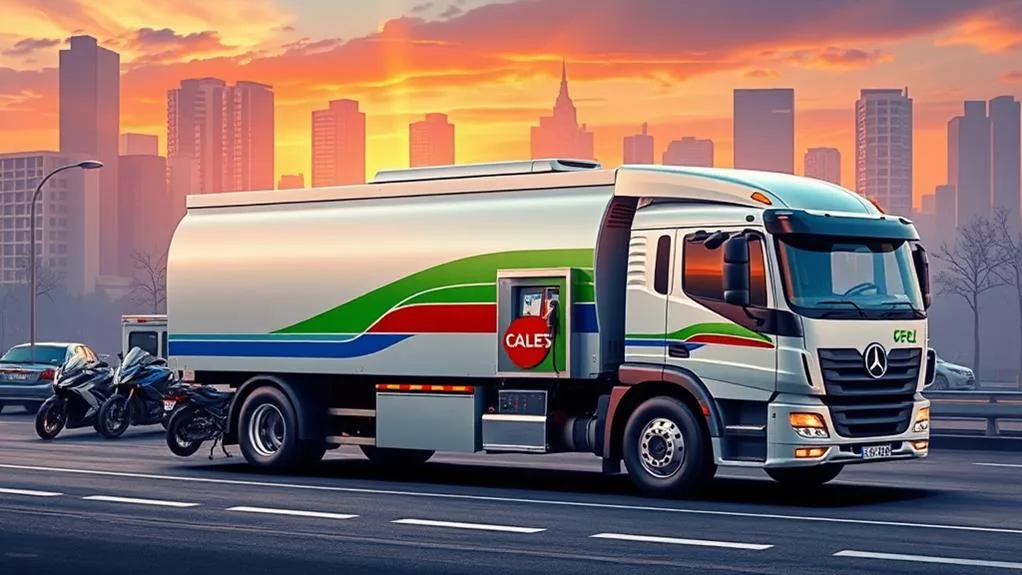
Customised fuel deliveries must prioritise safety and compliance to maintain integrity and trust. Regulatory compliance involves adhering to safety standards and keeping pace with environmental regulations. This necessitates constant monitoring of rules and implementing rigorous training for personnel handling hazardous materials.
Key safety protocols include spill prevention and ensuring all equipment is maintained to meet industry standards. Certification of drivers further solidifies adherence to protocols, whilst eco-conscious practices demonstrate environmental responsibility.
Utilising advanced fuel management systems enhances compliance and positions companies favourably in the market. With a firm grasp of these guidelines, businesses can strengthen their operational foundations. Additional insights await those who wish to gain a deeper understanding of this domain.
Ensuring Regulatory Compliance
Navigating the complex landscape of regulatory compliance in customised fuel deliveries requires a meticulous focus on safety standards and environmental regulations. Fleet fuelling services must ensure their vehicles, equipment, and fuel adhere to rigorous regulatory requirements, forming the backbone of safe and efficient operations.
Compliance with local, state, and federal regulations is both a legal obligation and a commitment to maintaining a trustworthy industry reputation.
Regular training and certification of staff are essential. Training programmes equip employees with the necessary knowledge and skills to comply with the latest safety protocols and regulatory mandates, fostering an environment of competence and compliance.
The dynamic nature of regulatory landscapes demands continual monitoring of changes. Active adaptation to evolving environmental regulations ensures operations remain compliant, avoiding costly penalties and enhancing the service provider's credibility.
Embedding these practices into the core operations of fleet fuelling services strengthens regulatory compliance and instils a sense of belonging among stakeholders, assuring them of the company's commitment to safety and environmental stewardship.
Key Safety Protocols
Key safety protocols form the foundation of customised fuel delivery operations, prioritising spill prevention and ensuring the safe handling of fuel. In mobile fuel delivery services, following these protocols reflects a dedication to protecting both the environment and the community. It is essential to comply with industry regulations, which assures that all fuel handling aligns with established safety standards. This reduces the likelihood of accidents and preserves the service's integrity.
Training is crucial. Personnel involved in fuel delivery must be well-educated on the newest safety measures and emergency procedures. Regular and comprehensive training sessions provide professionals with the knowledge and skills needed to handle unexpected incidents, enhancing the reliability of mobile fuel delivery services.
Maintaining delivery vehicles and equipment is vital for upholding safety protocols. Regular inspections and servicing ensure all components operate correctly and safely. Implementing stringent safety protocols and maintaining vigilance in compliance effectively manages the risks associated with fuel delivery, fostering trust and confidence within the community.
Fuel Tank Truck Standards
Adhering to fuel tank truck standards ensures safety and compliance in customised fuel deliveries. These standards are carefully crafted to govern the design, construction, and maintenance of vehicles transporting hazardous materials. Compliance with these regulations is essential, not only to minimise the risk of accidents but also to significantly reduce the potential for environmental contamination. Each component of a hazmat cargo tank truck, such as the fuel tank, fuel lines, air vent, rollover valve, and safety vent, must meet rigorous safety standards.
Proper monitoring of liquid capacity within fuel tanks is necessary for upholding these safety standards during transportation. This vigilance ensures that the fuel remains securely contained and managed, safeguarding public safety and environmental integrity. Adhering to these regulations fosters a sense of community responsibility and a shared commitment to safety among those involved in fuel delivery operations.
Meeting compliance requirements demonstrates a collective dedication to environmental protection, reinforcing the industry's role as a conscientious steward of the environment. Following these guidelines, the sector contributes to a safer, more sustainable future for all, embracing a shared responsibility that extends beyond immediate delivery tasks.
Driver Training and Certification
In the realm of customised fuel deliveries, driver training and certification are crucial for the safe and efficient handling of hazardous materials. These processes ensure drivers are knowledgeable about the safety protocols and regulations required for the responsible transport of fuel. Certification validates a driver's competence and provides the foundation for executing fuel delivery operations effectively, even during emergencies. This expertise is essential, contributing to the overall safety and reliability of the service, fostering trust and a sense of belonging among clients and communities dependent on these deliveries.
Ongoing training programmes are vital for maintaining and enhancing driver skills, ensuring alignment with evolving industry standards. Such programmes offer opportunities for drivers to update their knowledge and refine their techniques, adapting to new safety protocols and technological advancements.
This commitment to continuous learning underscores the industry's dedication to safety and compliance, reinforcing confidence in the customised fuel delivery sector. Investing in rigorous driver training and certification upholds industry standards and creates a culture of excellence and responsibility, positioning each driver as an integral part of a trustworthy and competent team.
Environmental Responsibility
Environmental responsibility in customised fuel deliveries has become increasingly important as the industry seeks to lessen its ecological impact. Implementing eco-friendly practices can significantly cut carbon emissions and the overall ecological footprint of operations. A commitment to adhering to environmental regulations ensures compliance while promoting sustainability and conserving natural resources, crucial for future generations.
Utilising clean fuel options, such as biofuels, plays an essential role in preserving air quality and reducing pollution. Biofuels are a renewable energy source that diminishes reliance on fossil fuels, supporting a more sustainable energy mix. Offering electric vehicle charging within fuel delivery services shows dedication to green energy solutions. It meets the growing demand for cleaner transportation options and underscores the industry's commitment to environmental responsibility.
Partnering with environmentally conscious suppliers further enhances a company's dedication to sustainability. Aligning with those prioritising eco-friendly practices bolsters environmental stewardship, contributing positively to global efforts to tackle climate change.
Embracing these strategies cultivates a sense of belonging within the community, as stakeholders work collectively towards a more sustainable future.
Partnering for Compliance Support
Partnering for compliance support is a strategic approach that guarantees adherence to strict safety regulations in tailored fuel deliveries. Collaborating with compliance assistance services allows businesses to effectively navigate the intricate landscape of regulatory compliance, ensuring all safety protocols and environmental regulations are meticulously followed. This partnership safeguards the integrity of their operations and reinforces their dedication to industry best practices.
Engaging with experts in regulatory compliance offers vital guidance that enhances safety measures and reduces potential risks. These partners possess a deep understanding of the complex safety standards governing fuel deliveries, providing businesses with the tools necessary to maintain operational safety and legal compliance. This approach is crucial in building a reliable relationship with customers, who increasingly prioritise safety and environmental responsibility.
Teaming up for compliance assistance ensures that businesses remain at the forefront of evolving safety regulations. It empowers them to implement robust safety protocols aligned with industry best practices, thereby strengthening their market position. This alliance fosters a sense of community and trust, inviting customers and stakeholders to partake in a shared commitment to safety and environmental stewardship.
For instance, utilising a compliance partner like EcoSafe Solutions, known for their expertise in environmental regulations, can provide businesses with the necessary insights to uphold safety standards. Additionally, adopting advanced fuel management systems such as FuelGuard can help monitor and control fuel quality, further enhancing compliance efforts. This proactive approach ensures businesses not only meet current regulations but are also prepared for future changes.