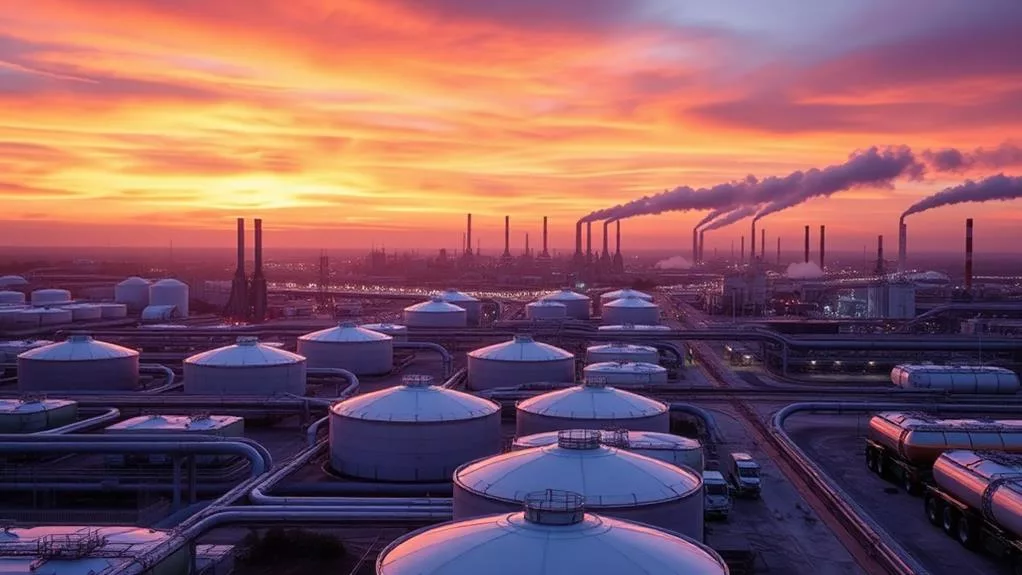
Petrol is indispensable in agriculture, powering equipment for ploughing, harvesting, and irrigation, while facilitating efficient farming and stable food production. It is also critical in the production of fertilisers and pesticides, which enhance crop yields. Challenges such as limited availability and high costs can significantly affect small-scale farmers and disrupt their operations, particularly in rural areas.
Companies such as BB Energy in South Africa play an essential role in ensuring a consistent and dependable petrol supply, reinforcing the agricultural sector's resilience.
As the industry progresses towards sustainability, new technologies suggest improvements for profitably managing these complexities. Learn more about empowering agricultural growth.
Importance of Petrol in Agriculture
Petrol holds immense significance for the agricultural sector. In contemporary farming, it powers machinery vital for ploughing, harvesting, and crop spraying. These activities underpin efficient farming practices, enabling farms to produce the food needed to sustain communities. Petrol's importance spans beyond machinery, as it is crucial for running irrigation systems and transporting goods and produce to markets. This interdependence illustrates how essential petrol is in maintaining productive and efficient agricultural processes.
Petrol is also critical in the creation of fertilisers, pesticides, and other agrochemicals. Such products are indispensable for boosting crop yields and safeguarding food security, which is fundamental to sustainable agricultural development.
The stability of fuel costs, expressed in South African Rand, directly affects the overall expenses of agricultural production. When fuel costs rise, farmers encounter increased operational expenses, impacting their ability to sustain productivity and competitiveness. Thus, a stable and dependable petrol supply is vital for the agricultural sector's ongoing growth and resilience.
The well-being of communities and global food security rely on the seamless integration of petrol within the agricultural framework.
Challenges in Fuel Supply
Petrol is essential to agriculture, yet its supply faces significant challenges that impact the efficiency and productivity of farming. A major issue is the limited availability of fuel in rural areas, severely affecting agricultural operations. Small-scale farmers often encounter significant difficulties in obtaining the petrol needed to power machinery and irrigation systems. This lack of access disrupts daily activities and affects agricultural productivity.
High costs associated with fuel supply exacerbate these challenges. Small-scale farmers bear a heavy financial burden when purchasing petrol at increased prices, often quoted in South African Rand, which diminishes profitability and limits investment in crucial agricultural inputs. The inconsistency of petrol supply leads to interruptions in essential processes such as planting, harvesting, and transporting goods to market.
Fuel shortages during peak farming seasons can lead to substantial crop losses and threaten food security. Communities dependent on agriculture are particularly vulnerable, highlighting the need for stable and reliable fuel supply systems. This is crucial for ensuring sustainable farming practices and strengthening community resilience. Addressing these challenges is vital for the vitality of agricultural communities.
BB Energy's Role in South Africa
BB Energy is a prominent fuel supply company integral to strengthening South Africa's agricultural sector. Reliable fuel supply from BB Energy allows farmers to operate essential machinery and equipment, ensuring agricultural efficiency. This support is vital for sustaining and enhancing the nation's agricultural industry, a cornerstone for food security.
A consistent petrol supply is crucial for agricultural growth and productivity in South Africa. BB Energy's dedication to maintaining a steady petrol flow significantly bolsters the sector's resilience in meeting rising demands. This dedication extends to forming partnerships with agricultural stakeholders focused on advancing farming practices.
Reliable petrol supply from BB Energy enables farmers to implement new technologies and methods, vital for boosting production and achieving long-term food security.
BB Energy's role is pivotal to the agricultural community's cohesion and unity, aiding the nation's journey towards sustainable food security. Through these contributions, BB Energy reinforces the foundation of South Africa's agricultural sector.
Enhancing Farm Productivity
A consistent supply of petrol is crucial for enhancing farm productivity. It powers the machinery and systems essential for efficient agricultural operations. Petrol enables timely planting and harvesting, increasing yields and improving farm efficiency. This dependability ensures farmers can consistently produce high-quality agricultural products, reinforcing their role in local and global food systems.
Powering equipment like tractors and irrigation systems, petrol supports modern agricultural practices, including precision farming and mechanisation, optimising production and reducing labour costs.
The availability of petrol is vital for farmers to access markets, inputs, and necessary services for their agricultural activities. It assists in transporting agricultural products from farms to markets, ensuring goods reach consumers fresh and in optimal condition. This connectivity boosts economic growth in the agricultural sector and reinforces food security with a steady supply chain.
Without adequate petrol support, farm productivity and viability could suffer, impacting both food security and the economy. A reliable petrol supply remains a cornerstone in sustaining and enhancing farm productivity.
Sustainable Fuel Practices
Sustainable fuel practices in agriculture are increasingly vital as they offer ways to lessen environmental impact while maintaining farm productivity. These practices are essential in addressing climate change, promoting ecological stewardship, and fostering a sense of community and shared responsibility among agricultural stakeholders.
Integrating biodiesel, derived from renewable sources like soybean oil and recycled cooking oil, allows farms to significantly reduce greenhouse gas emissions by up to 86% compared to conventional diesel. This shift supports climate goals and strengthens the agricultural sector's resilience.
Using bioethanol, produced from crops such as maize and sugarcane, can be blended with petrol to power farm machinery. This blend reduces carbon emissions and aligns with sustainable agriculture practices that nurture environmental awareness and community well-being.
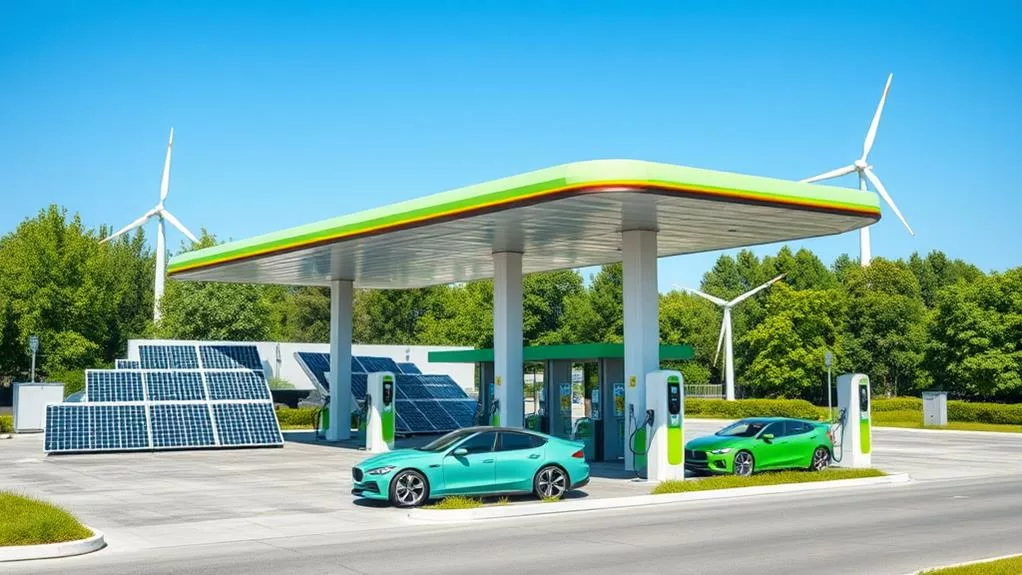
The emergence of electric tractors, powered by renewable energy sources like solar or wind, exemplifies the shift towards sustainable fuel practices. Innovations like the Fendt e100 Vario electric tractor underscore a collective commitment to combating climate change, fostering a sense of belonging among farmers united in their efforts to protect the planet while enhancing agricultural productivity.