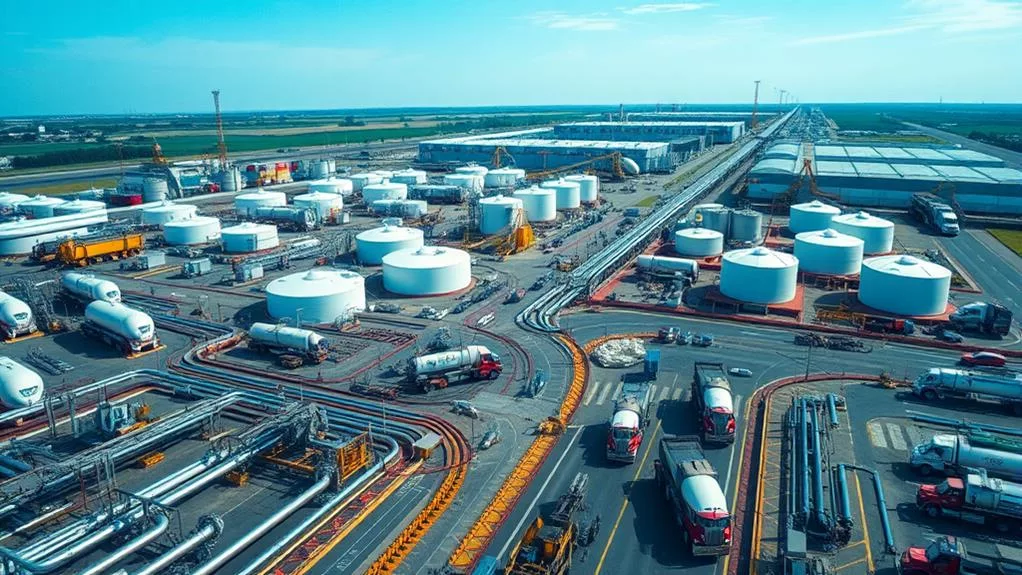
As businesses and consumers navigate the intricate web of supply, demand, regulations, and market forces in the fuel and lubricant industry, understanding the key trends shaping prices becomes crucial. From geopolitical events to technological advancements, each trend holds implications that ripple through the industry, impacting the cost of essential commodities that power our world. By delving into these trends, we gain a deeper understanding of the forces at play and shed light on the factors driving fuel and lubricant prices.
In this article, we will explore the complex interplay of factors that shape the global energy landscape and how they influence prices. We will highlight the pain points that businesses and consumers face in relation to fuel and lubricant costs, and provide expert insights into these challenges. By speaking directly to the needs of our audience and infusing our expertise, we aim to build rapport and help readers navigate the complexities of fuel and lubricant price dynamics. Join us as we uncover the key trends and address your questions, ensuring you have the knowledge needed to make informed decisions in this ever-changing industry.
Key Takeaways
- Geopolitical events, such as the Russia-Ukraine war and tensions in the Middle East, can disrupt global oil supply and impact fuel and lubricant prices.
- Supply chain disruptions and logistics challenges in the lubricant industry, including shortages in lubricants and base oil, rising costs of raw materials and packaging, and increased transportation expenses, can lead to current price increases.
- Fluctuations in crude oil prices are influenced by supply and demand dynamics, geopolitical events, OPEC decisions, and natural gas prices.
- Environmental regulations and sustainability initiatives drive the adoption of bio-based oils, impacting fuel and lubricant prices and supply chains.
Impact of Geopolitical Events
Geopolitical events wield a substantial influence over global oil markets, affecting supply, pricing, and market sentiment through trade disruptions, sanctions, and regional conflicts. For instance, the ongoing Russia-Ukraine war has the potential to disrupt global oil supply and impact prices due to Russia’s significant role as an oil exporter. In addition, geopolitical tensions in the Middle East, particularly involving major oil-producing nations like Saudi Arabia, can lead to supply concerns and price volatility. The refining industry, crucial for processing crude oil into fuel and other products, can also be affected by geopolitical events, potentially leading to supply chain disruptions and price fluctuations.
As the global oil market is heavily influenced by supply and demand dynamics, any geopolitical event that affects the production, transportation, or distribution of oil can have a significant impact on prices. Moreover, changes in trade relationships and agreements resulting from geopolitical events can further impact the flow and pricing of oil and related products on a global scale. Therefore, it is essential for stakeholders in the oil and energy sector to closely monitor geopolitical developments and their potential implications for the market.
Fluctuations in Crude Oil Prices
In examining the fluctuations in crude oil prices, it becomes evident that various factors, including supply and demand dynamics, extraction and production costs, OPEC decisions, and economic growth, significantly influence the market. The demand for oil is intricately tied to global economic growth and industrial activity. As economies expand, the need for energy, particularly oil, increases, thereby impacting prices. Additionally, supply chain disruptions, geopolitical events, and OPEC decisions can lead to price increases or decreases. The global industry’s reliance on oil as a primary energy source makes it susceptible to price volatility. Furthermore, natural gas prices also play a role in influencing crude oil prices, as they are often in competition as alternative energy sources. Understanding the interconnectedness between these factors is crucial for predicting and managing crude oil price fluctuations. By closely monitoring these elements and their potential impact, stakeholders can make informed decisions regarding investments, production, and consumption patterns in the oil market.
Environmental Regulations and Sustainability Initiatives
The implementation of stringent emission standards has exerted a significant influence on the production and emissions of fuels and lubricants. As a result, there is a noticeable shift towards the use of bio-based oils, marking a growing focus on sustainability and environmental friendliness. This trend is expected to continue, with the industry increasingly embracing renewable and eco-friendly lubricants and fuels to reduce their environmental impact.
Emission Standards Impact
Compliance with stringent emission standards profoundly shapes the formulation and production of fuels and lubricants in the industry, driving demand for cleaner and more sustainable solutions while influencing investments in eco-friendly additives and base oils research and development. This impact extends across the global industry, affecting supply chains and pricing dynamics. The United States, as a major player in the oil and gas sector, is particularly influenced by these standards, leading to strategic shifts towards renewable energy and bio-based sources for fuel and lubricant production. As emission standards continue to evolve, the industry can expect further pricing implications, technological advancements, and a heightened focus on sustainability. Understanding and adapting to these changes will be vital for businesses seeking to maintain competitiveness and meet regulatory requirements in the evolving landscape.
Shift to Bio-Based Oils
Environmental regulations and sustainability initiatives have catalyzed a significant shift towards bio-based oils in the fuel and lubricant industry, reflecting a growing emphasis on reducing carbon footprint and promoting environmental stewardship. The adoption of bio-based oils is driven by the need for companies to comply with stricter environmental regulations and meet sustainability goals. Bio-based oils, derived from renewable natural resources, are gaining traction as an eco-friendly alternative to traditional petroleum-based oils. This shift is expected to have a substantial impact on fuel and lubricant prices and supply chains. As sustainability becomes a more prominent factor in pricing and production, the demand for bio-based oils is predicted to continue to rise, influencing market dynamics and shaping the future of the industry. This transition signifies a pivotal moment in the industry’s commitment to environmental responsibility and sustainable practices.
Technological Advancements in Fuel and Lubricant Production
Rapid technological advancements have revolutionized the production of fuels and lubricants, leading to significant improvements in quality, efficiency, and environmental impact. The current landscape of the global fuel and lubricant industry is shaped by several key technological advancements:
- Advancements in refining processes, such as hydrocracking and catalyst improvements, have resulted in higher quality fuels and lubricants, contributing to enhanced performance and longevity.
- Development of synthetic base oils with superior performance characteristics has allowed for the creation of more efficient and durable lubricants, meeting the evolving needs of modern machinery and equipment.
- Implementation of advanced additive technologies has led to improved fuel efficiency and reduced emissions in modern engines, addressing environmental concerns and aligning with regulatory standards.
These technological advancements are likely to continue shaping the industry, influencing prices and demand patterns. The Energy Information Administration (EIA) anticipates that ongoing innovations in fuel and lubricant production will impact the prices of raw materials, such as the cost per barrel of crude oil, and subsequently influence global market dynamics.
Market Consolidation and Mergers
The trend of market consolidation and mergers in the fuel and lubricant industry is significantly reshaping the competitive landscape and influencing pricing strategies and supply chain dynamics. As companies within the petroleum industry continue to pursue mergers and acquisitions, they are increasingly focused on enhancing their market share and competitiveness. These consolidations are leading to the emergence of larger and more powerful entities, which is impacting market dynamics and competition in the fuel and lubricant sector. Moreover, the trend is facilitating economies of scale, operational efficiencies, and broader product portfolios, thereby influencing pricing strategies and market positioning. This surge in mergers and acquisitions is also fostering strategic partnerships and collaborations between industry players, resulting in diversified product offerings and enhanced market presence.
These market consolidations and mergers are not only reshaping the competitive landscape but also potentially impacting pricing structures and supply chain dynamics in the fuel and lubricant industry. It is expected that as companies continue to consolidate, the industry will witness a transformation in refinery capacity, capital programs, and the overall response to the surge in demand and commodity markets, thus altering the dynamics of oil markets.
Supply Chain Disruptions and Logistics Challenges
The current landscape of the lubricant industry is characterized by notable supply chain challenges and logistics disruptions, which are expected to have a substantial impact on prices. These disruptions stem from shortages in lubricants and base oil, coupled with the escalation of transportation costs, contributing to the overall complexity of the industry. Analyzing these factors will be crucial in understanding the potential trajectory of price movements and the broader implications for the market in the coming months.
Supply Chain Challenges
Amidst the current fuel and lubricant industry landscape, supply chain disruptions and logistics challenges have emerged as critical factors impacting the timely movement and availability of products. The following key points shed light on the current supply chain challenges:
- Shortages: Disruptions in the supply chain are leading to shortages in lubricants and base oil.
- Rising Costs: Ongoing supply chain issues are resulting in increased raw material and packaging costs.
- Transportation Expenses: Rising transportation costs are exacerbating supply chain challenges in the industry.
These factors are significantly affecting the industry, influencing the availability and pricing of fuel and lubricant products. As the world grapples with the aftermath of the COVID-19 pandemic, understanding and addressing these supply chain challenges will be crucial for ensuring a stable and efficient energy market.
Logistics Disruptions
Logistics disruptions have become a significant challenge in the fuel and lubricant industry, impacting the availability and pricing of products due to supply chain constraints and transportation obstacles. The increase in oil and lubricant demand, coupled with factors that affect transportation costs, is impacting oil and lubricant prices. The market is expected to face continued logistics disruptions, leading to potential shortages in crude oil, lubricants, and base oil. The ongoing logistics challenges are contributing to supply chain disruptions, leading to shortages and transportation hurdles. JobbersWorld newsletter serves as a valuable source for staying updated on logistics disruptions and supply chain challenges in the lubricant industry. Many lubricant manufacturers in the US market have announced multiple price increases due to these supply chain disruptions and logistics challenges.
Impact on Prices
The disruptions in supply chain logistics are having a pronounced impact on fuel and lubricant prices, exacerbating market dynamics and presenting challenges for industry stakeholders. This impact is driven by various factors, including shortages in lubricants and base oils due to supply chain issues, leading to current price increases. Additionally, rising transportation costs in 2022 are further impacting fuel and lubricant prices. Base oils, crucial in the manufacturing process of lubricants, are experiencing fluctuations in supply and demand, directly affecting their costs. These ongoing challenges and rising raw material costs in 2023 are expected to continue impacting fuel and lubricant prices. Such disruptions are greatly influenced by the cost of crude, oil, and natural gas, as well as futures contracts playing an important role, particularly in regions such as China and India, which have strong financial influences on the global market.
Consumer Behavior and Demand Shifts
The interplay of consumer behavior and evolving market demands significantly shapes the trends in the fuel and lubricant industry, with shifting preferences for fuel-efficient and eco-friendly products driving substantial changes in overall consumption patterns. Consumer behavior plays a pivotal role in influencing the demand shifts within the fuel and lubricant industry. Changing consumer preferences, particularly towards fuel-efficient vehicles, have a profound impact on the overall demand for fuel. The shift towards electric and hybrid vehicles further amplifies this effect, directly impacting fuel and lubricant consumption. Moreover, there is a noticeable trend in consumer demand for environmentally friendly and sustainable lubricants, which is driving substantial changes within the industry. Economic factors and consumer spending habits also play a significant role in shaping the demand for fuel and lubricants. The purchasing power of consumers, coupled with their inclination towards sustainable and efficient products, influences the overall consumption patterns. As consumer behavior continues to evolve, manufacturers and industry players need to collect information and adapt their strategies to cater to these changing preferences. This shift in consumer behavior and demand patterns presents both benefits and risks for the industry, particularly in regions such as North America, where these changes are most pronounced. Understanding and predicting these shifts are crucial for the development of new products and strategies within the fuel and lubricant industry.
Looking to enhance your operations with reliable energy solutions? Explore our specialised services: from Bulk Diesel Distribution and Fuel Management Services to On-Site Refuelling in Vryheid and Truck Stop Services. Request a Quote or Join Our Energy Network today for tailored solutions that keep your business moving!