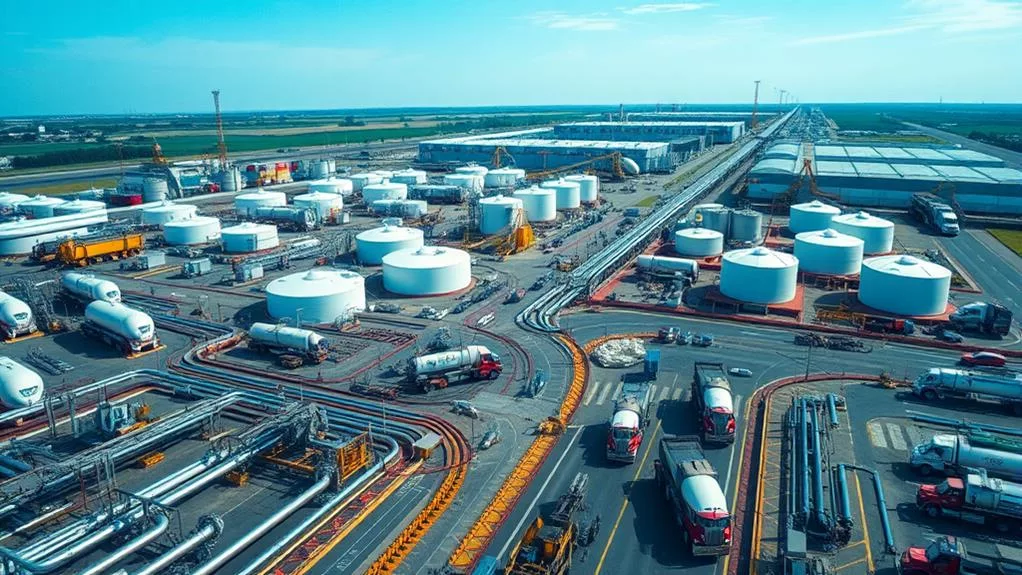
Regulatory compliance in fuel distribution is crucial for ensuring operational safety, environmental stewardship, and industry integrity. Key regulations include mechanical dye injection systems for dyed fuel, strict sulphur content regulations, and detailed reporting for bulk distribution.
Safety protocols, such as regular equipment maintenance and staff training, help prevent spills and accidents. Adherence to environmental standards minimises the ecological footprint and fosters community trust.
Companies like BB Energy demonstrate how investing in training and engaging with regulators supports compliance. This commitment leads to sustainable practices and continuous improvement. Understanding the strategic execution of these crucial elements is essential for maintaining industry standards and promoting long-term success.
Key Regulations in Fuel Distribution
In the realm of fuel distribution, compliance with key regulations is crucial for legal and environmental responsibilities. Regulations governing the sale and use of dyed fuel require a mechanical injection system for precise dyeing. This ensures compliance with standards and facilitates efficient fuel inspection, supporting a robust Fuel Compliance Programme.
Regulations also dictate the sulfur content of taxed, undyed diesel fuel. Maintaining appropriate sulfur levels is essential to reduce environmental impact and meet legal criteria. A comprehensive reporting system is mandatory for bulk fuel distribution, especially when involving pipelines or barges. This system meticulously documents all transactions and distributions, bolstering compliance and transparency.
Below the terminal rack, specific reporting requirements further reinforce the Fuel Compliance Programme. They maintain accountability and ensure all distribution activities align with established standards.
In the ever-evolving landscape of fuel distribution, these regulations provide the foundation for responsible and sustainable practices.
BB Energy's Compliance Strategies
BB Energy sets a benchmark in fuel distribution compliance with its proactive strategies. The company invests in comprehensive training programmes and certifications for its workforce to uphold high regulatory standards. This focus on employee development ensures staff possess thorough knowledge of industry regulations, allowing them to perform their roles with accuracy and awareness.
The company consistently engages with regulators, ensuring it remains informed about industry changes and regulatory demands. This approach fosters a learning culture that allows BB Energy to often exceed regulatory expectations, securing the safety and reliability of its operations.
Innovation is balanced with responsibility, showcasing BB Energy's dedication to operational excellence. Prioritising compliance with safety regulations is key to its reputation and success within the competitive fuel distribution sector. These measures cultivate a community among employees that values safety and compliance as core principles.
Safety Protocols and Procedures
Safety measures and procedures form the bedrock of effective fuel distribution operations, preventing spills, leaks, and accidents. These protocols are vital in protecting employees, customers, and the environment from potential hazards. At the heart of these safety measures is the routine inspection and maintenance of equipment, which is essential for maintaining the integrity of fuel delivery systems. Staff training programmes are necessary, providing the knowledge and skills to comply with stringent safety protocols.
Emergency response plans are essential, offering structured and immediate actions in the event of an incident. These plans quickly and efficiently mitigate risks, safeguarding both human life and the surrounding environment. Preparedness is crucial for fostering a culture of safety and responsibility within the fuel distribution sector.
Following these safety measures ensures compliance, facilitating smooth and reliable fuel delivery operations. It aligns with broader goals of environmental sustainability, minimising the risk of ecological harm. Safety measures not only protect but also contribute to a shared commitment to a safer and more sustainable future.
Environmental Impact and Responsibility
Fuel distribution operations have a considerable environmental impact, particularly through emissions and potential spills. Addressing these challenges demands a conscientious approach to minimise damage and uphold our shared responsibility towards the environment. Effective fuel distribution requires strict adherence to regulatory standards that protect our air, water, and land resources. Compliance with these standards is not only a legal obligation but also a commitment to preserving the planet for future generations.
Responsible practices in fuel distribution include implementing measures that significantly reduce emissions and prevent spills. Distributors can lessen their environmental impact and contribute to a sustainable future. Regulatory standards are designed to reduce pollution, urging fuel distributors to adopt technologies and strategies that align with environmental preservation goals. Compliance is essential and involves routine assessments and the adoption of best practices to meet these stringent requirements.
Professionals in fuel distribution must recognise the importance of these guidelines. Collectively adhering to environmental regulations enables us to fulfil our legal duties and fosters a sense of belonging within a community dedicated to sustainable practices. It is our shared responsibility to ensure that our operations respect and protect the environment.
Continuous Improvement and Training
Maintaining high standards in regulatory compliance and operational efficiency requires continuous improvement and training in the fuel distribution sector. Training programmes are essential for fostering compliance knowledge and ensuring that employees stay well-versed in changing regulatory requirements. These programmes are crafted to tackle the intricacies of compliance, offering a structured approach to understanding safety protocols, environmental regulations, and compliance procedures. This approach develops a workforce skilled at manoeuvring through the complex regulatory landscape inherent to fuel distribution.
Regular training sessions act as a cornerstone for continuous improvement, providing a platform for employees to engage with new information and hone their skills. These sessions are informative and foster a culture of vigilance and responsibility, crucial for operational efficiency.
Staying informed about the latest regulatory updates allows employees to contribute to a safer and more efficient work environment, ensuring that the organisation not only meets but surpasses compliance expectations.
Emphasising continuous improvement and training within the industry ensures all stakeholders are aligned in their commitment to safety and efficiency. This shared dedication reinforces a sense of belonging and purpose, necessary for maintaining a united and compliant operational framework.