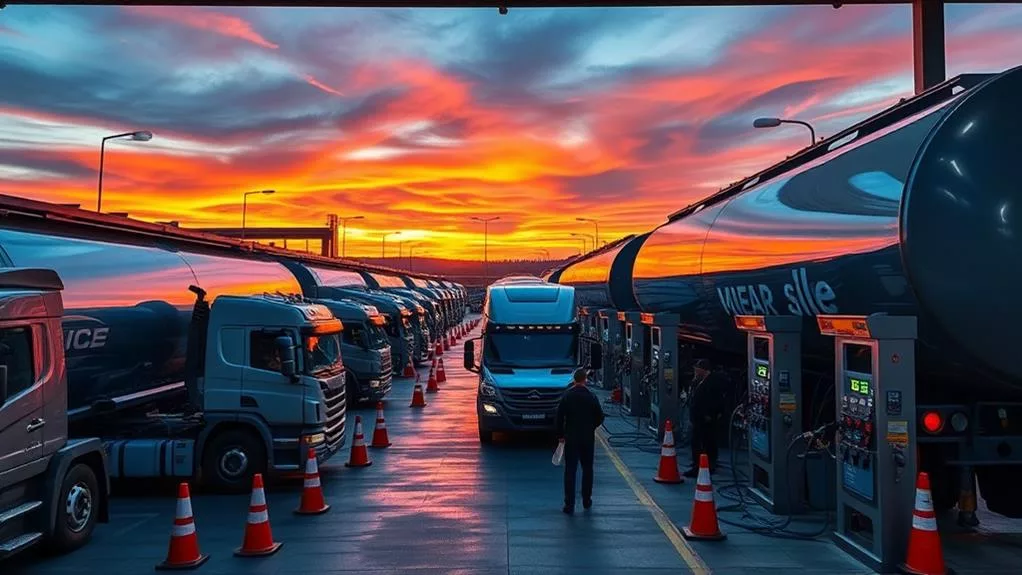
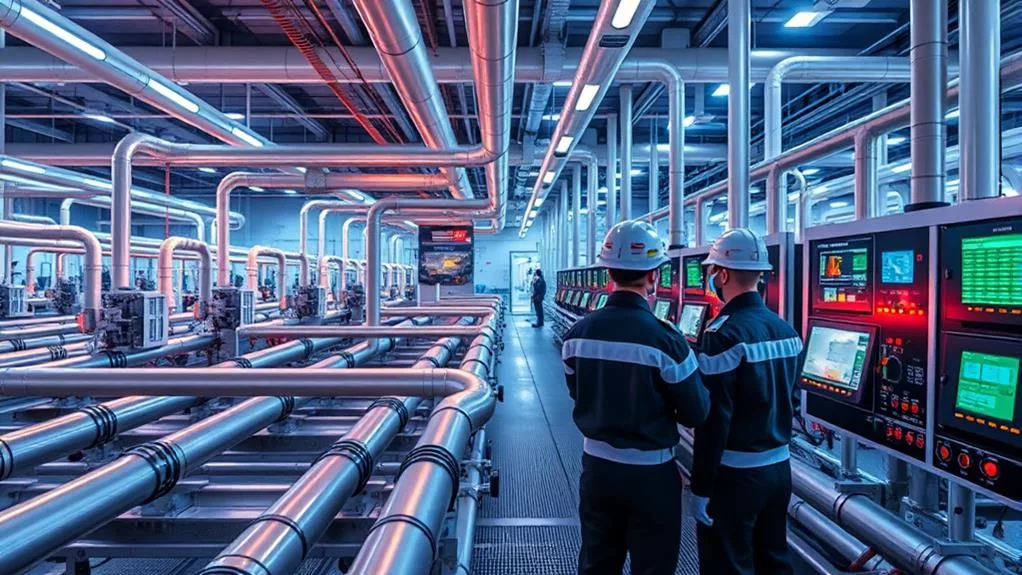
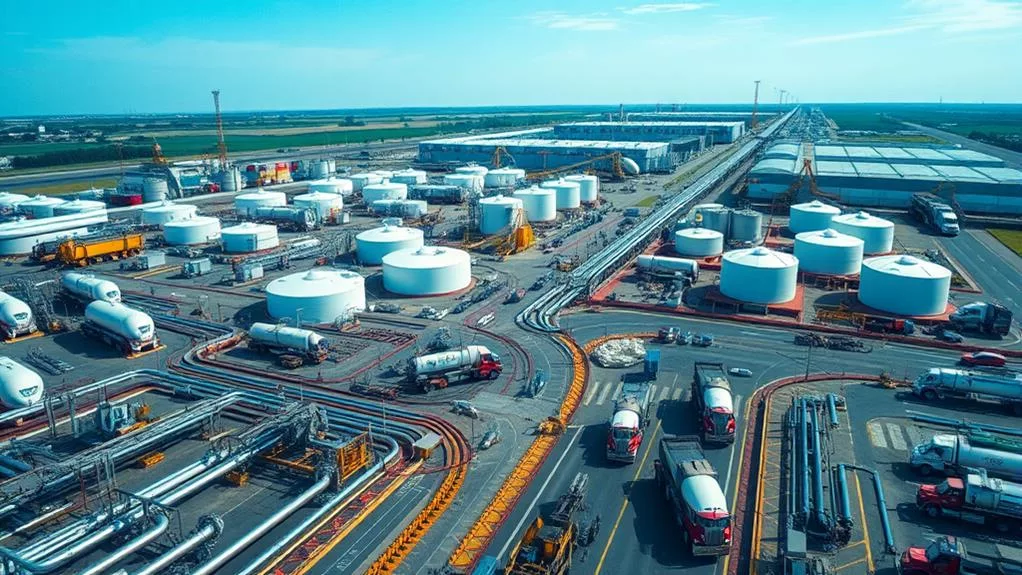
Fuel distribution at ports and airports is a crucial aspect of global aviation and maritime operations. Companies such as BB Energy ensure efficiency through robust logistics and specialised services. Timely delivery is vital to prevent delays and maintain the operational flow. Advanced monitoring systems and contingency plans enhance supply chain resilience. Strict security measures protect against disruptions, while innovations like hydrogen fuel cells and solar panels promote sustainability. Adequate planning and storage capacity enable facilities to adapt to modern complexities.
An awareness of these elements underscores the intricate workings of fuel distribution and its role in sustainable practices. Further insights reveal deeper operational strategies, illustrating the importance of adaptability and forward-thinking in ensuring seamless operations.
BB Energy's Role in Fuel Supply
BB Energy stands as a crucial player in the fuel supply chains for ports and airports. With a vast fuel distribution network, BB Energy ensures the seamless operation of aviation and maritime activities worldwide. The company operates storage facilities and supply networks, maintaining a consistent and reliable fuel supply, essential for the continuous functioning of these vital transport hubs.
BB Energy's expertise in fuel logistics is central to its operations, enhancing the efficiency and reliability of fuel distribution processes. Utilising advanced logistics strategies, BB Energy improves the predictability and responsiveness of fuel deliveries. Ports and airports can thus meet their energy needs without disruption, fostering confidence among stakeholders who depend on these critical services.
Globally, BB Energy not only addresses the immediate fuel requirements of ports and airports but also collaborates with them to develop bespoke solutions for specific operational challenges. This partnership ensures that each client receives a tailored fuel supply solution, reinforcing BB Energy's role as a trusted partner in the fuel supply chain.
Ensuring Timely Fuel Delivery
Ensuring fuel delivery at ports and airports is crucial for maintaining aviation schedules and maritime operations. Flights need adequate fuel supplies for safe arrivals at their destinations. An efficient fuel supply system is essential to avoid delays and disruptions in flight schedules, often caused by fuel shortages or logistical setbacks. Continuous fuel delivery requires careful planning and coordination to meet the demands of busy ports and airports.
Advanced scheduling and monitoring systems are vital for optimising fuel distribution routes and timings. Technologies such as the XFuel System enhance airport operations, allowing stakeholders to anticipate and address potential issues before they escalate. Implementing contingency plans and maintaining backup fuel storage solutions are prudent strategies to ensure an uninterrupted fuel supply. These measures are important during emergencies or unforeseen circumstances, providing operational stability to aviation and maritime communities.
Timely fuel delivery is a cornerstone of operational success. Being part of a network that values efficiency and preparedness is invaluable. Prioritising strong fuel distribution frameworks allows ports and airports to uphold their commitments to safety and reliability, fostering trust and cohesion among all stakeholders involved.
Security Measures in Distribution
A robust fuel delivery system ensures efficient operations and necessitates stringent security protocols. In the realm of fuel distribution at ports and airports, comprehensive security measures are imperative. Access control systems, surveillance cameras, and perimeter fencing serve as primary defences against unauthorised entry. These systems ensure only authorised personnel can enter sensitive areas, safeguarding fuel storage and distribution facilities.
The integrity of personnel is vital; therefore, thorough background checks, security clearances, and training programmes are standard for those involved in fuel distribution operations. These measures enhance individual accountability and foster a collective sense of responsibility and belonging among the workforce.
Maintaining a strong security posture involves deploying monitoring systems and alarms to detect and respond to any irregularities promptly. Emergency response plans are established to address potential threats effectively.
Regular security audits, vulnerability assessments, and adherence to industry regulations ensure the resilience of distribution operations. Collaboration with law enforcement, cybersecurity experts, and industry partners strengthens the security framework. This approach not only enhances the safety of fuel distribution activities but also nurtures a community dedicated to protecting critical infrastructure.
Addressing Operational Challenges
Amid evolving operational dynamics, strategic foresight and adaptation are essential for addressing fuel distribution challenges at ports and airports. In the context of the COVID-19 pandemic, enhancing passenger experience is paramount, and the efficient refuelling of aircraft plays a critical yet often underestimated role.
Adequate fuel storage capacity is crucial for ensuring that departing flights operate smoothly, with local storage facilities providing necessary safeguards against unforeseen disruptions and maintenance challenges.
San Diego International Airport (SAN) has increased its fuel storage capacity to maintain over six days of supply during peak periods. This expansion, driven by industry leaders such as Southwest Airlines, American Airlines, Delta Air Lines, and United Airlines, highlights the significance of fuel storage in fostering operational continuity.
Expanding storage capabilities enables airports to better accommodate fluctuating demand and reduce supply chain vulnerabilities.
When determining storage needs, airports must consider variables such as current and future demand, delivery schedules, and buffer times for quality control. Thorough planning ensures a seamless operational flow, instilling confidence among stakeholders and reinforcing the airport's commitment to reliable service.
This approach allows airports to navigate the complexities of modern aviation with resilience and foresight.
Benefits of Specialized Services
Addressing operational challenges in fuel distribution at ports and airports underscores the importance of specialised services in this sector. These services are crucial for maintaining the infrastructure that supports aviation and maritime operations, ensuring refuelling processes remain smooth and efficient. Specialised services manage fuel storage capacity, delivery logistics, and quality control, playing a key role in upholding uninterrupted flight schedules and safeguarding public health through a reliable fuel supply.
Specialised services provide on-site storage solutions that minimise supply chain disruptions, enhance operational flexibility, and prepare ports and airports for unforeseen fuelling issues. This strategic approach supports the smooth functioning of airports and aids airlines in accurately estimating and meeting their specific fuel storage needs. Consequently, airports and airlines can achieve optimal operational efficiency, directly impacting the satisfaction and safety of travellers who rely on these essential infrastructures.
The integration of advanced technologies, such as fuel cell systems, into specialised fuel distribution services demonstrates a commitment to innovation and sustainability. Access to such expertise enables airports to streamline the implementation of on-site storage solutions, benefiting overall operations and ensuring that community needs are met with precision and care.
Future of Fuel Distribution
The future of fuel distribution at ports and airports is set for major change as the sector moves towards zero-emission operations. The driving force behind this shift is the necessity to reduce mobile source emissions and enhance air quality. This transformation is backed by significant federal funding initiatives, including the Clean Ports Programme, which allocates funds for zero-emission port projects under the Inflation Reduction Act of 2022.
As these funds become accessible, the fuel distribution supply chain must evolve to incorporate advanced technologies and sustainable practices, aligning with new environmental standards.
Stakeholders face complex registration requirements to access these opportunities. Initiatives such as the Zero-Emission Technology Deployment Competition require a Unique Entity Identifier and SAM.gov registration for electronic submissions. The Environmental Protection Agency (EPA) places importance on community engagement, assessing applications based on the quality of interactions between ports, airports, and local communities. This approach encourages a collaborative environment where stakeholders feel essential to the transition process.
Specific examples of technologies that could be utilised include electric vehicle charging stations and hydrogen fuel cell systems. These technologies are crucial for reducing emissions and aligning with zero-emission goals. Additionally, the use of solar panels for powering port operations can significantly cut down on reliance on fossil fuels. Sustainable practices like these will be integral to the future of fuel distribution.