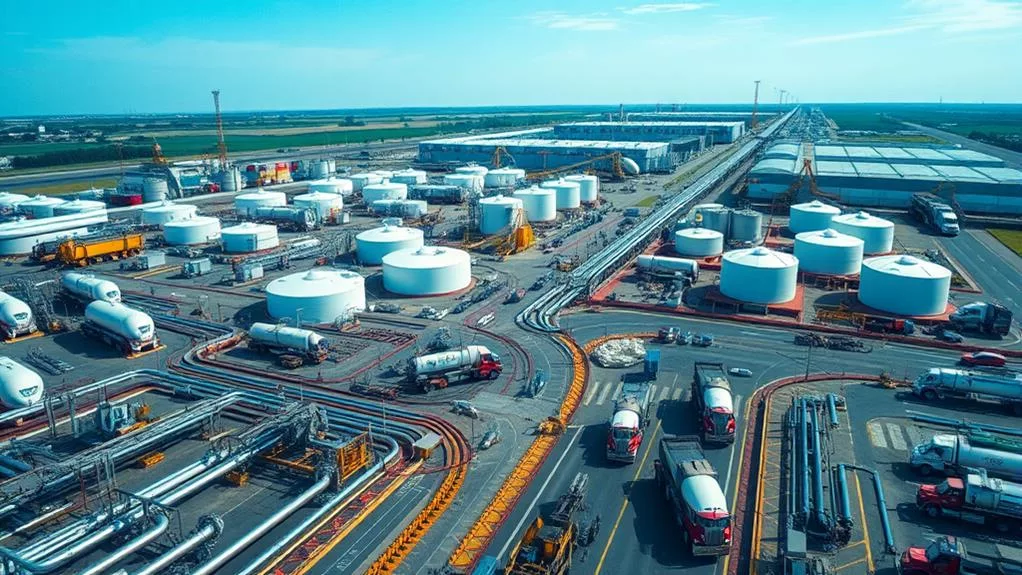
Minimising the environmental impact of fuel distribution necessitates optimising logistics and adopting alternative fuels.
Advanced logistics, such as route optimisation and real-time monitoring, efficiently reduce emissions and fuel consumption.
Adopting biodiesel and ethanol curtails greenhouse gas emissions while aligning with sustainability objectives.
Proper fleet maintenance ensures vehicles function efficiently, significantly decreasing emissions.
Implementing geofencing and maintaining robust information flow enhances safety and compliance with environmental regulations.
These strategies promote operational efficiency and encourage a collective commitment to environmental responsibility. Examining these approaches offers insights into effectively reducing the ecological footprint of fuel distribution systems.
Importance of Sustainable Fuel Distribution
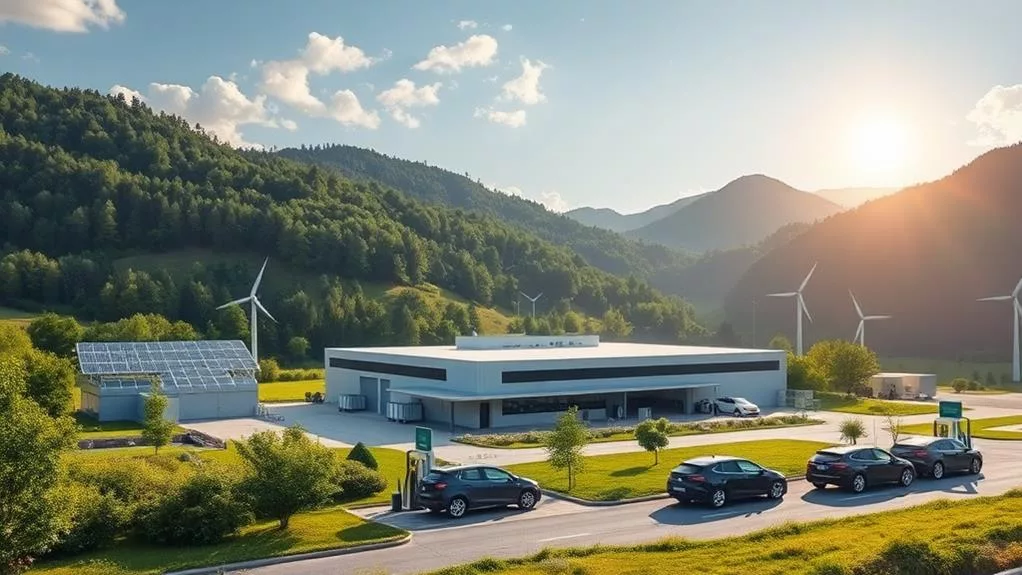
In light of growing environmental concerns, the significance of sustainable fuel distribution remains paramount. As the global community addresses climate change, adopting sustainable practices to cut carbon emissions is essential. Optimising logistics and embracing innovative technologies in sustainable fuel distribution not only reduce emissions but also enhance operational efficiency. This dual advantage highlights the necessity of embedding sustainability into energy distribution strategies, creating a sense of community among stakeholders committed to environmental stewardship.
Efficient fuel distribution strategies play a crucial role in lessening environmental impact and promoting resource efficiency. Utilising advanced sustainable fuel options such as Hydrotreated Vegetable Oil (HVO), Synfuels, and Sustainable Aviation Fuels (SAFs) can significantly lower the industry's carbon footprint. These innovations demonstrate a commitment to eco-friendly energy solutions, aligning with the collective desire for a cleaner, more sustainable future.
Sustainable fuel distribution also involves improving customer service, ensuring consumers contribute to the movement towards reducing emissions and environmental impact. The shift to sustainable practices mirrors a broader societal transition towards responsible energy consumption, inviting individuals and organisations to be part of a shared vision of environmental responsibility.
Challenges and Opportunities
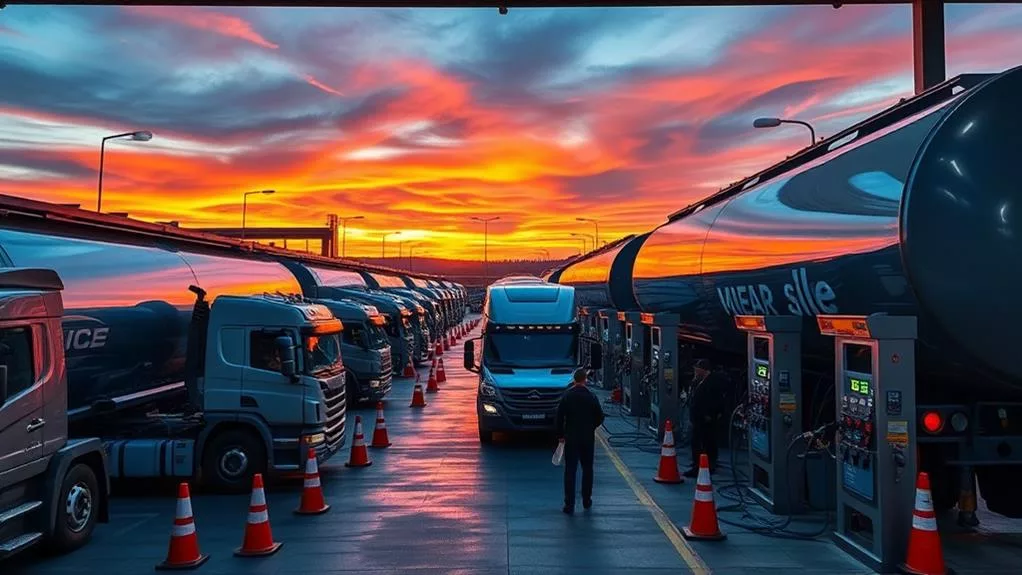
Tackling the environmental impact of fuel distribution involves significant challenges and opportunities. Logistics companies face the hurdle of high carbon emissions produced by transportation vehicles in fuel distribution. These emissions heavily contribute to greenhouse gases, exacerbating environmental concerns. However, there are various methods to mitigate these effects. Prioritising sustainable practices allows logistics companies to enhance operational efficiency while reducing their environmental footprint.
Implementing advanced technologies is crucial for revolutionising fuel distribution. Data collection and real-time monitoring empower logistics companies to increase resource efficiency and cut unnecessary carbon emissions. Geofencing can enhance safety and efficiency, ensuring fuel is distributed with minimal environmental impact.
Optimising logistics for fuel distribution can lead to notable savings in costs and improved efficiency, enabling companies to meet sustainability targets without compromising profitability.
Sustainable fuel distribution presents obstacles, yet embracing these opportunities enables logistics companies to significantly reduce environmental damage. Through collaborative efforts and innovative solutions, the industry can set the stage for a greener future.
Logistics Optimization Techniques
Enhancing the sustainability of fuel delivery logistics greatly relies on advanced logistics optimisation techniques. These techniques are essential in reducing fuel consumption and emissions, contributing to environmental sustainability. Technology, as a cornerstone of this initiative, supports efficient operations through route optimisation and real-time monitoring, ensuring fuel deliveries are carried out with minimal environmental impact.
Route optimisation strategies are crucial in lowering operating costs and emissions. Careful planning of the most effective routes allows companies to minimise fuel usage, leading to significant emissions reduction. This aligns with environmental goals and fosters a collective responsibility among stakeholders committed to sustainable practices.
For instance, the implementation of software like PTV Route Optimiser can significantly enhance route planning efficiency.
Real-time monitoring is significant in optimising resources within fuel delivery logistics. Utilising data analysis enables companies to accurately monitor and improve logistics operations. This facilitates quick adjustments to delivery plans, enhancing both operational effectiveness and environmental sustainability.
Tools such as the Geotab telematics system allow for comprehensive tracking and data analysis.
Incorporating these logistics optimisation methods promotes a community dedicated to reducing the environmental impact of fuel delivery. This collaborative effort meets the needs of an environmentally conscious society and reinforces a shared commitment to a sustainable future.
Alternative Fuel Adoption
The integration of alternative fuels into the transportation sector marks a significant move towards reducing greenhouse gas emissions. Cars and lorries contribute to 28% of US emissions. Adopting alternative fuels such as biodiesel and ethanol can significantly decrease reliance on petroleum-based fuels, thereby reducing the carbon footprint. These renewable energy sources promise reduced emissions and promote a sustainable energy consumption approach.
The path towards alternative fuel adoption encounters challenges. Extreme weather events worsened by climate change, like floods and droughts, can disrupt biofuel production and distribution. This underscores the necessity for robust fuel distribution networks capable of adapting to such changes. Insights from the Indiana Climate Change Impacts Assessment – Energy Report highlight the intricate relationship between climate change and fuel choices, urging a collective shift towards renewable solutions.
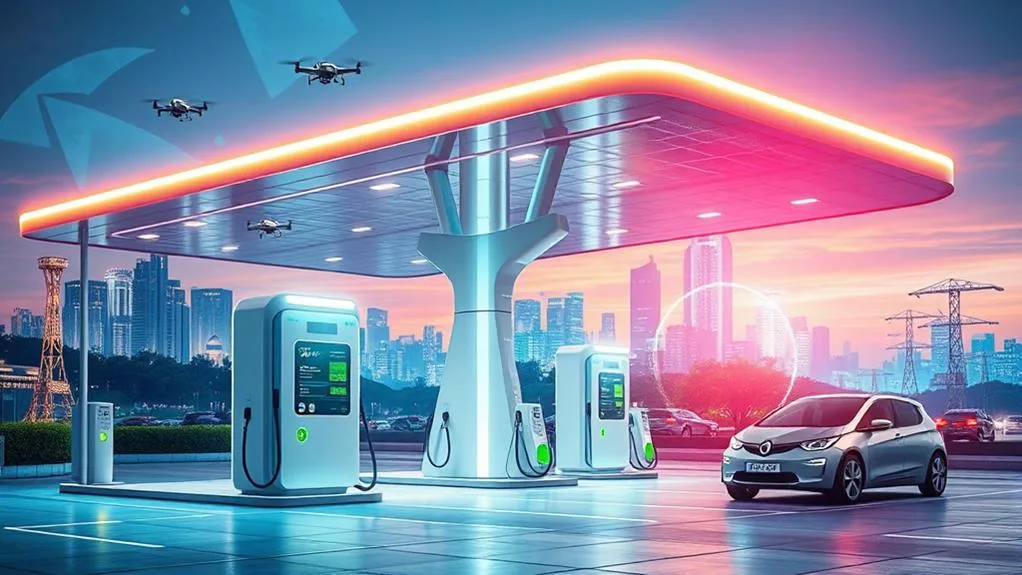
The US Department of Energy's Alternative Fuels Data Centre provides valuable information on reducing dependence on traditional fuels. Embracing alternative fuels aligns with our shared goal of environmental stewardship. Examples like the use of electric vehicles, such as the Nissan Leaf, demonstrate practical steps towards a more sustainable future.
Fleet Maintenance Strategies
As the shift towards alternative fuels continues, attention must focus on fleet maintenance strategies to ensure vehicles run at peak efficiency. Regular preventive maintenance schedules are essential for minimising fleet downtime and enhancing operational efficiency by up to 30%. These proactive steps optimise fuel distribution and bolster fuel efficiency, potentially improving it by up to 10%. This results in significant cost savings and a notable reduction in carbon emissions.
Fleet maintenance software is crucial in achieving these advantages. It tracks maintenance history and schedules future services, ensuring vehicles remain in excellent condition, potentially extending their lifespan by up to 20%.
This increase in longevity reduces the environmental impact associated with frequent vehicle turnover. Well-maintained fleets can decrease overall greenhouse gas emissions by as much as 20%, aligning with broader sustainability goals.
Strong fleet maintenance strategies encourage a sense of community and shared responsibility among industry stakeholders. Prioritising preventive maintenance and employing advanced tracking tools enhances operational efficiency while contributing to the collective effort of reducing carbon emissions. This promotes a sustainable future in fuel distribution.
Real-time Monitoring and Efficiency
As the dynamics of fuel distribution evolve, real-time monitoring leads the way in enhancing operational efficiency and sustainability. Utilising advanced technology allows companies to optimise routes and operations, significantly reducing fuel consumption and emissions. This approach contributes to emissions reduction and aligns with global sustainability goals, fostering a sense of responsibility within the fuel distribution community.
Real-time monitoring provides a seamless flow of information, facilitating informed decision-making and optimising operational efficiency. The ability to accurately track and manage distribution processes ensures resources are used efficiently, achieving notable cost savings. This technological advancement supports environmental objectives and strengthens the economic viability of businesses within the industry.
Integration of geofencing technology enhances safety and efficiency. Setting virtual boundaries ensures compliance with environmental regulations and optimises route planning. This collective approach to incorporating technology reflects a shared commitment to sustainability and operational excellence.
Embracing real-time monitoring, the fuel distribution sector adapts to modern challenges, creating a collaborative environment where resource efficiency and sustainability are prioritised, ensuring a more responsible future for all stakeholders involved.