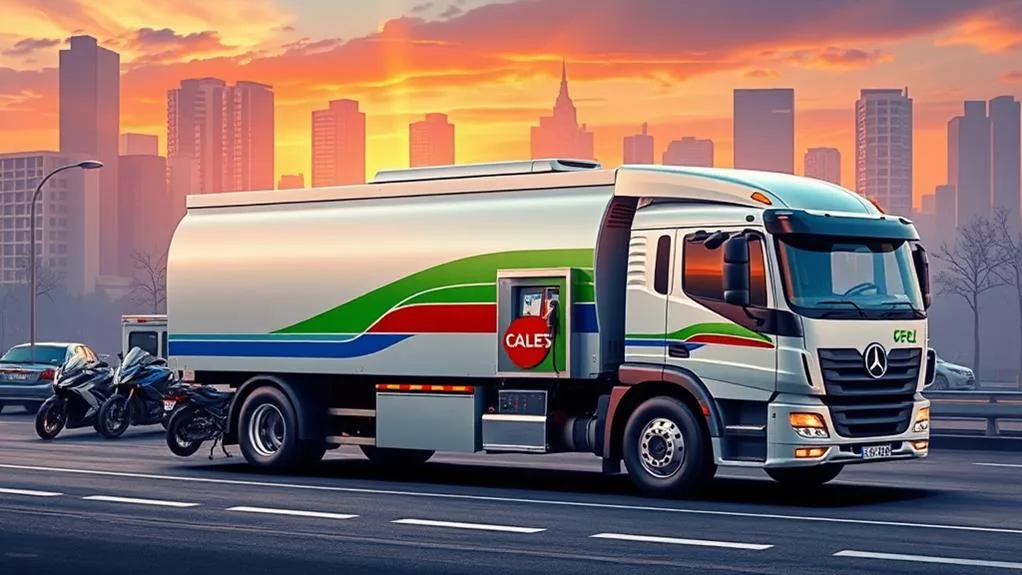
Adapting fuel delivery plans during peak demand necessitates a combination of strategies to ensure seamless operations. Flexible scheduling, facilitated through real-time monitoring, is crucial for efficiently addressing fluctuating fuel requirements. Utilising technology, such as IoT and predictive analytics, enhances demand forecasting and operational efficacy. Strategic collaboration with suppliers ensures smooth coordination and bolsters operational resilience. Risk management practices, which include contingency planning and adaptive regulatory compliance, protect against potential disruptions.
Incorporating sustainable practices aligns fuel delivery operations with environmental responsibilities. Continuous improvement techniques and advanced logistics solutions refine these strategies for optimal performance during high-demand periods.
Understanding Peak Demand Challenges
Peak demand periods pose significant challenges that require strategic planning and adaptability from fuel delivery companies. These periods, often aligning with peak travel seasons, lead to increased fuel consumption, resulting in higher demand and potential shortages. Managing these times effectively involves aligning fuel supply with projected demand to minimise disruption risks. Anticipating and responding to fluctuating fuel needs is crucial for ensuring seamless delivery even when demand spikes.
Operational costs are profoundly impacted during peak demand due to price fluctuations in the fuel market. This volatility can strain financial resources, necessitating careful management and cost-effective strategies. Fuel delivery companies must navigate these challenges while maintaining service reliability and customer satisfaction, crucial for fostering a sense of community and trust among their clientele.
Limited storage capacity adds another layer of complexity, requiring innovative fuel distribution strategies. Efficiently utilising available resources and optimising delivery routes are paramount to ensuring that supply consistently meets demand. Understanding these dynamics allows fuel delivery companies to better position themselves to address peak demand challenges, ensuring continuity and stability for their customers.
Flexible Scheduling Strategies
Implementing flexible scheduling strategies is crucial for fuel delivery companies to manage fuel distribution efficiently during peak demand periods. These strategies enable essential adjustments to delivery plans, ensuring timely and effective distribution. Utilising real-time monitoring allows companies to respond swiftly to fluctuating fuel needs, particularly during high-demand seasons. This capability enhances efficiency and bolsters a sense of reliability and trust within the communities they serve.
Customised delivery schedules form the foundation of flexible scheduling strategies, ensuring fuel arrives when it is most needed. Prioritising urgent refuelling requests through dynamic scheduling systems helps prevent shortages and maintain uninterrupted service. This adaptability fosters a sense of belonging among clients and stakeholders, who depend on consistent fuel availability.
Coordination with suppliers and internal teams enriches these strategies, facilitating seamless adjustments to fuel delivery plans. Maintaining open lines of communication and collaboration enables fuel delivery companies to navigate peak demand periods with improved agility and precision. This collective effort highlights the importance of efficiency and responsive service, creating a robust network capable of meeting the challenges of peak demand with confidence and competence.
Leveraging Technology for Efficiency
In today's swiftly changing market, harnessing technology is crucial for achieving efficiency in fuel delivery operations. Integrating advanced tools, such as IoT devices and RFID technology, ensures precise tracking and management of fuel levels, temperatures, and pressures. Real-time data collection provides instant visibility into fuel inventory and movement, enhancing delivery efficiency.
Cloud-based fuel management software is vital in streamlining operations. Offering a centralised platform for data analysis and coordination, it enables companies to manage resources more effectively and respond swiftly to market demands. This software supports predictive analytics, which is crucial for forecasting demand and optimising delivery schedules. Anticipating peaks and adjusting plans accordingly allows businesses to maintain seamless operations and fulfil customer needs.
Mobile apps enhance remote monitoring and coordination of fuel delivery plans, ensuring all stakeholders remain informed and connected. This level of integration fosters a sense of unity among team members, as everyone works towards the common goal of efficient delivery.
By adopting these technological solutions, fuel delivery companies can not only improve their operational efficiency but also strengthen their position in a competitive market.
For example, the Telit IoT platform offers comprehensive connectivity solutions that streamline data collection and analysis. Similarly, the use of RFID tags from Avery Dennison ensures accurate tracking of fuel shipments. These tools, when combined, provide a robust framework for enhancing operational efficiency.
Supplier Collaboration Tactics
As technology enhances efficiency in fuel distribution, collaborating with suppliers is crucial for managing demand fluctuations effectively. Strategic supplier collaboration ensures fuel distribution operations remain smooth and uninterrupted, especially during peak demand periods. Building transparent relationships with reliable suppliers such as British Petroleum fosters trust and ensures a consistent supply of quality fuel. These partnerships thrive on clear communication and shared objectives, allowing both parties to anticipate and respond to changes in demand.
Evaluating supplier capacity is a key component of this collaboration. Understanding the capabilities and resources of suppliers allows fuel distribution companies to adjust their plans to meet peak demand efficiently. This proactive approach mitigates potential bottlenecks and secures operational control.
Regular communication with suppliers ensures coordination and readiness, enabling all parties to implement contingency measures if necessary.
Transparent relationships and open lines of communication with suppliers empower fuel distribution companies to confidently tackle the challenges of peak demand, ensuring they meet customer expectations and maintain operational excellence. Strategic supplier collaboration enhances resilience and responsiveness in a dynamic market landscape.
Risk Management Practices
Effective risk management practices are essential for navigating the uncertainties of peak demand in fuel distribution. Implementing robust contingency plans allows companies to mitigate the risks associated with demand fluctuations, ensuring they are well-prepared for the unexpected. Monitoring external factors like market trends and weather conditions enables companies to adapt their fuel delivery plans proactively during high-demand periods, reducing the likelihood of disruptions.
Maintaining varied supplier agreements and adequate storage capacity is crucial for preserving operational continuity. These strategies provide flexibility and security, allowing companies to draw from different sources and manage inventory efficiently when demand spikes. For instance, having agreements with suppliers such as Shell or BP can offer a diverse range of options.
Quick adaptation to regulatory changes and market disruptions also ensures an uninterrupted fuel supply. Staying informed and responsive allows organisations to navigate the complexities of the fuel market with confidence.
Prioritising risk management practices safeguards against potential fuel shortages and maintains operational efficiency. This proactive approach fosters a sense of reliability and trust among stakeholders, reassuring them of the company's commitment to meeting demand consistently. In a community reliant on seamless fuel delivery, effective risk management practices are not just a strategy but a necessity for collective success.
Sustainability in Fuel Delivery
Sustainability in fuel delivery remains a critical concern for contemporary fuel distribution companies. Aligning operations with environmental and social responsibilities is paramount. Embracing sustainable practices reduces carbon emissions and minimises the environmental impact associated with fuel distribution. Efficient systems significantly cut down on fuel wastage, promoting eco-friendly operations that resonate with environmentally conscious communities.
Renewable energy sources are crucial in meeting sustainability targets. Shifting towards cleaner alternatives allows fuel delivery companies to meet global demands for sustainable practices. This shift provides a narrative that highlights their commitment to a greener future. Implementing environmental safeguards, such as spill containment measures, plays a vital role in limiting potential harm, thus preserving the integrity of the environments they operate within.
Precision delivery methods are essential in sustainable fuel distribution, reducing fuel degradation and environmental harm. These methods enhance the efficiency and reliability of deliveries. Each operation then becomes a contribution to the overarching goal of sustainability. This approach fosters community engagement and shared responsibility.
Companies can consider using vehicles powered by biofuels, such as the MAN TGE 3.140, which reduces carbon footprint. Another option is the Scania R 410, known for its fuel efficiency and reduced emissions. These vehicles represent practical steps towards achieving sustainability in fuel delivery.
Continuous Improvement Techniques
Addressing peak demand necessitates fuel delivery companies to embrace continuous improvement methods founded on sustainable practices. Regular audits are essential to pinpoint opportunities for enhancing fuel delivery plans during peak periods. Such audits uncover critical insights into efficiency gaps and areas requiring technological upgrades, ensuring companies remain agile and responsive to changing demand patterns.
Technological innovations are pivotal in this continuous improvement landscape. Leveraging advanced logistics and inventory management systems allows companies to streamline operations, thereby optimising fuel delivery processes. Integrating automation, particularly in order processing and route optimisation, enhances efficiency. This not only lowers operational costs but also bolsters service reliability during high-demand times.
Ongoing assessments are crucial for adapting to ever-evolving demand patterns. Consistent evaluation of performance metrics enables companies to refine their strategies, aligning them more effectively with consumer needs. Adopting these best practices ensures that fuel delivery plans are not only robust but also resilient, fostering a sense of community and common purpose among stakeholders. Ultimately, these continuous improvement methods empower companies to meet peak demand challenges effectively, reinforcing their commitment to excellence and unity in the industry.