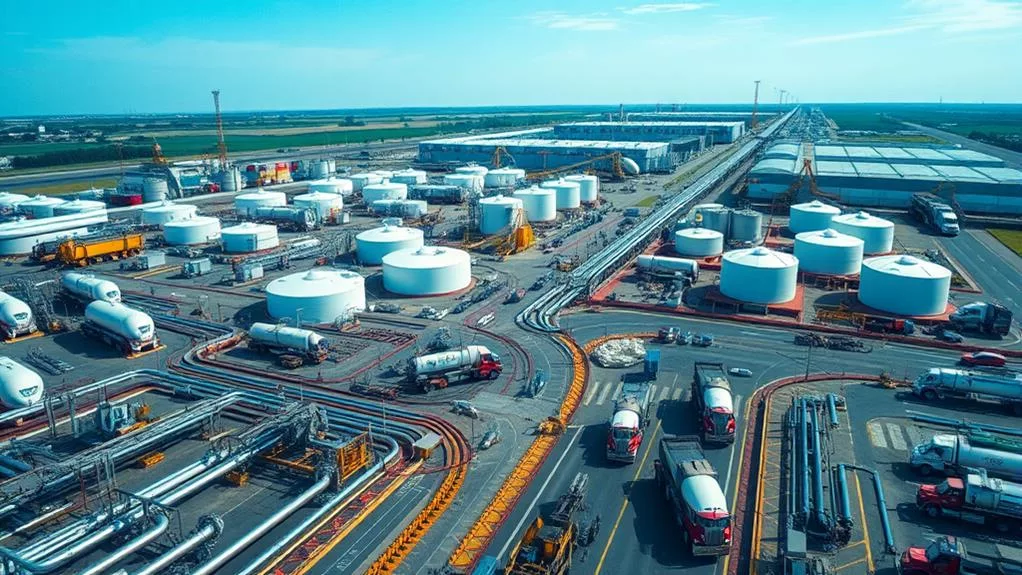
Bulk fuel is indispensable in manufacturing, enhancing performance and ensuring sustainability. Its consistent supply averts operational disruptions and maintains production targets. The economies of scale associated with bulk fuel result in cost efficiencies, better resource allocation, and substantial savings.
Enhanced operational continuity is achieved through bespoke delivery systems and on-site storage, which mitigate downtime risks. Furthermore, its role in reducing environmental impact through cleaner-burning alternatives such as propane supports eco-friendly manufacturing practices.
Building reliable partnerships, such as with BB Energy, guarantees strategic fuel management and uninterrupted production. Understanding how these elements work together fortifies manufacturing capabilities.
Importance of Consistent Supply
A consistent supply of bulk fuel is vital in the manufacturing sector, ensuring smooth operations for heavy machinery and production equipment. In this industry, time directly translates to productivity and success, making a reliable fuel supply indispensable. Manufacturing plants rely heavily on bulk fuel to maintain a seamless flow of production, ensuring every piece of equipment operates at peak efficiency.
Without bulk fuel, unexpected shutdowns can occur, disrupting operations and hindering productivity. Such interruptions may result in significant financial setbacks, highlighting the necessity for an uninterrupted fuel supply. A stable supply allows manufacturing facilities to concentrate on their core tasks, fostering an environment of stability and reliability.
Bulk fuel delivery systems are tailored to meet the substantial energy demands of manufacturing plants. This ensures that all production equipment receives a steady energy supply, optimising performance and productivity.
The importance of a consistent bulk fuel supply goes beyond operational continuity; it is fundamental to the success and sustainability of manufacturing operations, providing a sense of security and belonging within the industry.
Cost Efficiency in Bulk Fuel
Ensuring a consistent supply of bulk fuel goes beyond operational continuity and focuses on achieving cost efficiency in manufacturing. Procuring bulk fuel allows manufacturers to leverage economies of scale, accessing lower wholesale rates that lead to significant cost savings. Fuel expenses account for approximately 60% of total fleet operating costs, so these savings can greatly enhance the financial efficiency of operations. Strategic partnerships with dependable fuel suppliers further highlight these advantages, guaranteeing competitive pricing and steady supply.
On-site fuel storage plays a crucial role in reducing downtime and enhancing operational efficiency. Minimising interruptions in fleet operations enables manufacturing facilities to maintain a seamless production flow, cutting costs associated with idle time and optimising productivity.
Advanced fuel monitoring systems offer real-time data on fuel consumption, empowering manufacturers to make informed operational decisions. These insights help reduce unnecessary fuel usage, curb fuel theft, and promote efficient resource allocation. Effective management of bulk fuel resources contributes to a more streamlined, financially prudent manufacturing process, aligning cost efficiency with broader operational objectives.
Enhancing Operational Continuity
Ensuring seamless operational continuity in manufacturing significantly relies on strategic bulk fuel delivery systems. This method secures an uninterrupted fuel supply, crucial for preventing costly downtime. On-site fuel storage allows facilities immediate access to fuel, optimising operational continuity.
Proactive fuel management enhances production efficiency and protects against unexpected shortages that could disrupt manufacturing processes.
Bulk fuel delivery is vital for sustaining production efficiency, providing a steady stream of essential energy resources. Continuous access is necessary for manufacturing plants aiming to achieve their production targets and deadlines without interruption.
Procuring fuel in bulk minimises the risk of sudden shortages that might halt operations and compromise competitiveness.
Efficient fuel management, supported by bulk delivery systems, improves operational continuity, ensuring manufacturing operations run smoothly. Maintaining a consistent fuel supply demonstrates a commitment to excellence and reliability, fostering a sense of belonging among stakeholders who depend on seamless production processes.
For instance, using high-quality diesel storage tanks from TankMaster can ensure that fuel remains available and secure. Additionally, employing advanced fuel management systems like FuelGuard can further enhance the efficiency of fuel usage and storage.
Safety Measures in Fuel Handling
Operational continuity is essential for manufacturing efficiency, yet strong safety measures in fuel handling are equally crucial. Handling propane and natural gas with caution is vital due to their fire hazard potential. Propane is denser than air, necessitating strict safety standards during storage and usage to prevent it accumulating in low-lying areas. Adequate ventilation and regular maintenance form the foundation of these safety measures, reducing potential risks effectively.
Detecting natural gas leaks is critical. Adding odorants significantly improves safety, making leaks easily identifiable. This proactive approach allows for quick responses, safeguarding personnel and equipment.
Professional installation of fuel systems and periodic inspections confirm that all components function within required safety standards, ensuring compliance while promoting a sense of safety and reliability among the workforce.
Adhering to safety standards during fuel transport prevents accidents and spills. Integrating these practices into the safety culture of a manufacturing facility creates a safe environment valuing the well-being of its members.
Environmental Impact Reduction
Frequently, the choice of fuel in manufacturing significantly impacts the facility's environmental footprint. Opting for propane over natural gas can considerably reduce carbon emissions and enhance environmental sustainability in manufacturing operations.
Propane serves as a cleaner-burning fuel, emitting lower levels of greenhouse gases and particulate matter compared to natural gas. This reduction in emissions is crucial for manufacturing facilities keen on minimising their impact on air and water quality.
The use of propane helps avoid the environmental issues linked with natural gas. The extraction and transportation of natural gas often result in methane leaks, a potent greenhouse gas that exacerbates climate change. Selecting propane allows manufacturers to steer clear of this problem, aligning their operations with sustainable practices.
As a non-toxic option, propane poses no threat to soil or water quality, emphasising its role as a safer environmental choice. As industries pursue environmental sustainability, embracing propane in manufacturing operations supports a decrease in emissions and fosters a sense of belonging to a community committed to protecting the planet for future generations.
For instance, switching to propane-powered forklifts or adopting propane-fuelled heating systems can be effective measures. Such initiatives not only contribute to sustainability but also demonstrate a commitment to reducing environmental impact.
Strategic Fuel Management
Optimising fuel management is crucial for efficient manufacturing operations. Precision and reliability are essential in this industry, and strategic fuel management ensures facilities operate at peak efficiency. Diligent monitoring of fuel consumption and cost-saving measures can lead to significant improvements in operational performance.
Strategic fuel procurement is the starting point, involving the acquisition of fuel at the best prices in South African Rand and minimising logistical challenges.
Bulk fuel delivery is central to this strategy, ensuring a continuous and reliable supply of fuel and reducing downtime associated with refuelling. This service allows manufacturers to concentrate on production without interruptions from fuel shortages.
Proper storage in well-maintained fuel tanks is also vital, keeping fuel uncontaminated and ready for use at any moment.
Effective fuel management enhances operational performance and leads to substantial cost savings. Optimising the procurement, delivery, and storage of fuel allows manufacturers to reduce expenses and allocate resources more efficiently. In a competitive landscape, these savings contribute to the overall success and sustainability of manufacturing operations.
This commitment to excellence fosters a sense of belonging within the industry community.
Reliable Partnerships With BB Energy
Strategic fuel management is essential for successful manufacturing operations, ensuring uninterrupted production and cost efficiency. Forming partnerships with industry leaders such as BB Energy is vital. BB Energy excels in providing robust bulk fuel delivery services tailored to enhance manufacturing operations nationwide. Their partnerships are grounded in a commitment to maintaining a continuous supply, crucial for the seamless flow of manufacturing processes.
BB Energy's expertise in the fuel sector allows them to offer bespoke solutions designed to meet the specific needs of each manufacturing plant. This adaptability ensures manufacturers can sustain optimal performance levels, critical for achieving success in competitive markets.
Reliability and efficiency are at the core of BB Energy's offerings, positioning them as a trusted ally in supporting manufacturing operations with unwavering dedication.
For manufacturers aiming to enhance their operations and integrate into a dependable supply chain network, BB Energy offers the assurance of quality and consistency. Their services support not only the operational facets of manufacturing but also significantly contribute to the overall efficiency and sustainability of the industry.