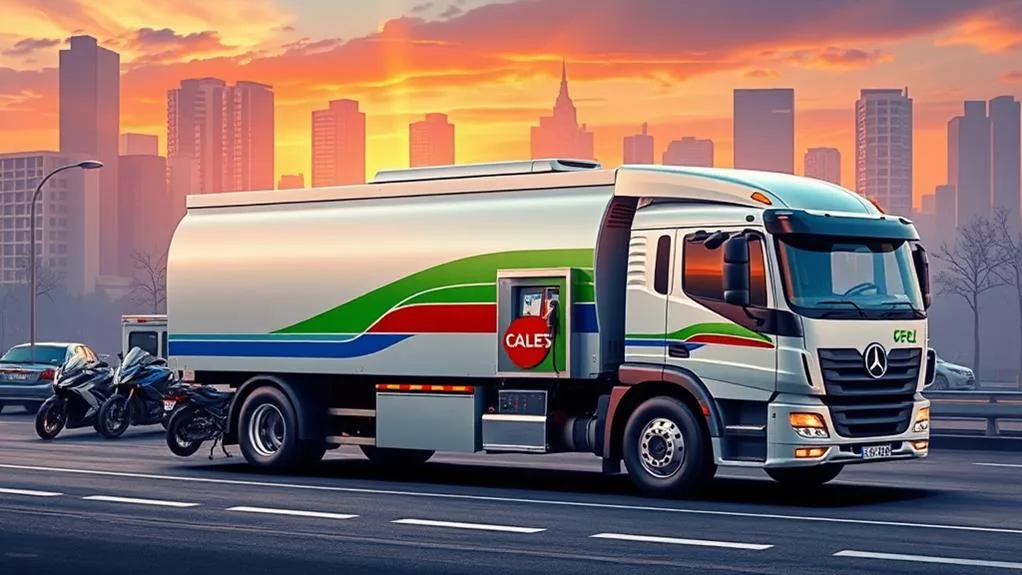
Customised fuel services offer substantial cost efficiency through optimised fleet operations and tailored solutions. They reduce fuel expenses up to 15% through the use of advanced fuel management systems and the negotiation of bulk purchase agreements.
Effective route planning can decrease fuel consumption as much as 20% and cut idle time 30%. These services synchronise fuel deliveries with operational needs, preventing excess inventory and unnecessary journeys, while enhancing driver efficiency through training and telematics.
Real-time monitoring is instrumental in preventing fuel theft and identifying inefficient practices. Strategic interventions such as these contribute to more than just savings, improving overall operational performance.
Understanding Customised Fuel Services
Customised fuel services are crucial in optimising fleet operations, tailoring fuel management solutions to a company's specific needs and objectives. These services offer an approach to fuel efficiency through advanced fuel management systems, tracking and analysing fleet performance data meticulously. Leveraging data analysis allows companies to gain insights into fuel usage patterns and pinpoint areas for improvement, leading to significant cost savings.
Personalised fuel services enhance fuel efficiency and reduce operational expenses, essential for companies maintaining a competitive edge. They provide customised strategies, ensuring each fleet's unique requirements are met, resulting in improved fuel usage and operational efficiencies. This bespoke approach fosters a sense of support, as companies benefit from solutions tailored to their operational goals.
Customised fuel services empower companies to make informed decisions that drive financial performance. Focusing on data-driven recommendations, businesses can achieve substantial fuel cost reductions and optimised fleet performance, aligning operations with cost-effective and sustainable practices. This strategic alignment underscores the importance of customised fuel services in modern fleet management.
For example, the use of telematics systems like TomTom WEBFLEET can help track vehicle data, identify inefficiencies, and recommend route optimisation. Additionally, implementing fuel cards from companies such as BP can streamline refuelling processes and provide detailed spending reports, helping to manage and reduce costs effectively in South African Rand.
Matching Delivery to Operational Needs
To optimise fuel economy, aligning delivery schedules with operational needs is essential. Tailoring fuel services to meet specific requirements allows businesses to achieve substantial cost savings and improve resource utilisation. Customised fuel deliveries that match a company's unique demand patterns can significantly reduce unnecessary trips and vehicle idle time, thereby enhancing overall fleet performance.
Synchronising fuel deliveries with peak operational periods minimises downtime and boosts productivity. This ensures fuel availability when most needed, supporting seamless operations. Efficiently scheduling deliveries based on demand patterns helps companies avoid overstocking, which often leads to increased storage costs and potential wastage.
Adapting deliveries to align with operational requirements necessitates a comprehensive understanding of a company's workflow and peak demand times. Such alignment enhances fuel economy and contributes to long-term cost savings. Businesses integrating these strategies are better positioned to adapt to demand fluctuations without compromising efficiency.
Cultivating a sense of community among stakeholders fosters an environment where efficiency and resourcefulness are valued, leading to sustainable growth.
Avoiding Unnecessary Fuel Expenses
Managing fuel usage is essential for businesses keen on cutting unnecessary costs. Advanced fuel management systems, such as FuelCloud or GasBoy, provide real-time insights into fuel consumption, enabling companies to spot inefficient vehicles in their fleets. Identifying these inefficiencies allows businesses to act, perhaps through vehicle maintenance or replacement, optimising fuel consumption and reducing expenses. This forward-thinking approach encourages a sense of community among stakeholders, all striving for operational efficiency.
Keeping a careful watch on fuel consumption data not only supports cost savings through optimised fuel usage but also helps prevent fuel theft. Monitoring fuel metrics closely allows for quick detection of anomalies, ensuring resources are protected and used appropriately.
Streamlined purchasing processes, such as using fuel card controls like WEX Fuel Cards, prevent unauthorised fuel purchases, minimising fraud risk and bolstering trust within the organisation.
Negotiating bulk fuel purchase agreements can also lead to substantial savings, leveraging the collective purchasing power of fleet operations. Through strategic management of these fuel expenditure aspects, businesses foster an environment of fiscal responsibility and mutual benefit, reinforcing shared success foundations.
Optimizing Route and Schedule
Fuel efficiency involves much more than just monitoring and strategic purchasing; it hinges on optimising routes and schedules. Route optimisation can lead to a reduction in fuel consumption of up to 20%. This is crucial for organisations committed to sustainability. Proper route planning can cut down mileage by 10-15%, resulting in significant fuel savings, aligning with environmental stewardship and financial responsibility.
Schedule optimisation holds equal importance. Efficient scheduling can decrease idle time by 30%, directly saving on fuel costs. Businesses aiming for excellence share the goal of reducing idle time to optimise resources.
Real-time tracking systems, when combined with route optimisation strategies, can prevent unnecessary detours. This ensures continuous improvement in fuel efficiency, highlighting the role of advanced technology in achieving optimal performance and cost efficiency.
Implementing route and schedule optimisation strategies not only leads to significant fuel savings but also fosters a unified purpose among stakeholders. Adopting these practices enables businesses to advance towards sustainable and efficient fuel management, nurturing a collective commitment to innovation and environmental consciousness.
Enhancing Driver Efficiency
Constantly improving driver efficiency is crucial for significant fuel savings and enhancing overall operational performance. Investing in comprehensive driver training programmes helps organisations cultivate a culture of fuel-efficient driving, potentially reducing fuel consumption by 5-15%. This approach benefits not only the financial bottom line but also strengthens the community within the organisation through shared goals and accountability.
Telematics data is essential for monitoring and improving driver behaviour. Analysing information on speeding and idling enables companies to implement strategies that can lead to up to 20% savings in fuel expenses. This data-driven methodology identifies areas for improvement, offering tailored feedback to drivers and encouraging eco-driving practices such as smooth acceleration and braking, which further saves 10-20% on fuel costs.
Moreover, implementing driver scorecards and incentive systems based on fuel-efficient habits fosters motivation among drivers. This method recognises and rewards exemplary behaviour, aligning individual performance with organisational objectives.
Regularly reviewing and optimising routes reduces unnecessary mileage, contributing to a 15% reduction in fuel consumption, thus reinforcing driver efficiency.
Reducing Idle and Downtime
Minimising idle time is essential for improving fuel efficiency and reducing operational costs in fleet management. Excessive idling not only leads to unnecessary fuel consumption but also significantly contributes to engine wear and tear. Each hour a vehicle idles can consume approximately 0.5 gallons of fuel, a cost that accumulates over time and affects the bottom line. Effective idle reduction strategies can achieve fuel savings of up to 19% in heavy-duty lorries, reducing fuel expenditures and extending vehicle lifespans.
Fleet management systems are crucial for monitoring and managing idle time. These systems provide real-time data to identify patterns of unnecessary idling, enabling targeted interventions to reduce fuel consumption. Annually, fleet vehicles can waste up to 1,500 gallons of fuel due to idle time, highlighting the need for vigilant management. Addressing this issue improves environmental sustainability and fosters a sense of shared responsibility among team members.
Focusing on minimising idle time and optimising vehicle usage leads to substantial cost savings and enhances overall fleet performance, creating a more unified and efficient operation. For example, implementing telematics solutions like the Geotab GO device can facilitate better tracking and analysis of vehicle idling patterns.
Maximizing Overall Operational Savings
How can bespoke fuel services significantly impact a fleet's bottom line? Their ability to enhance fuel efficiency while reducing costs is key. Custom solutions tailored to a fleet's specific needs can result in a notable 15% reduction in total fuel expenses.
Advanced fuel management systems optimise consumption patterns, identify areas for improvement, and rectify inefficiencies. This not only results in direct savings in fuel expenditure but also improves broader operational processes.
Real-time monitoring and data analysis play an essential role. These tools detect and prevent fuel theft and unauthorised usage, further contributing to cost reduction. A comprehensive approach ensures maintenance efficiency and guarantees regulatory compliance, which is crucial for long-term operational success.
The adoption of these services fosters a sense of community within the organisation, as everyone works towards the common goal of maximising total operational savings. Improved fuel efficiency and strategic cost management allow fleets to achieve significant financial benefits, strengthening their competitive edge in the industry.