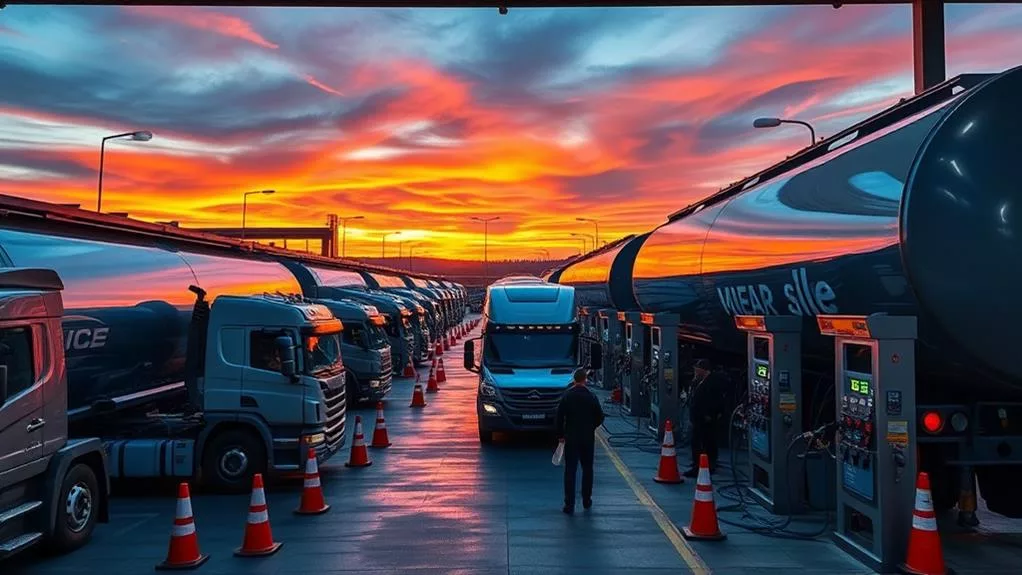
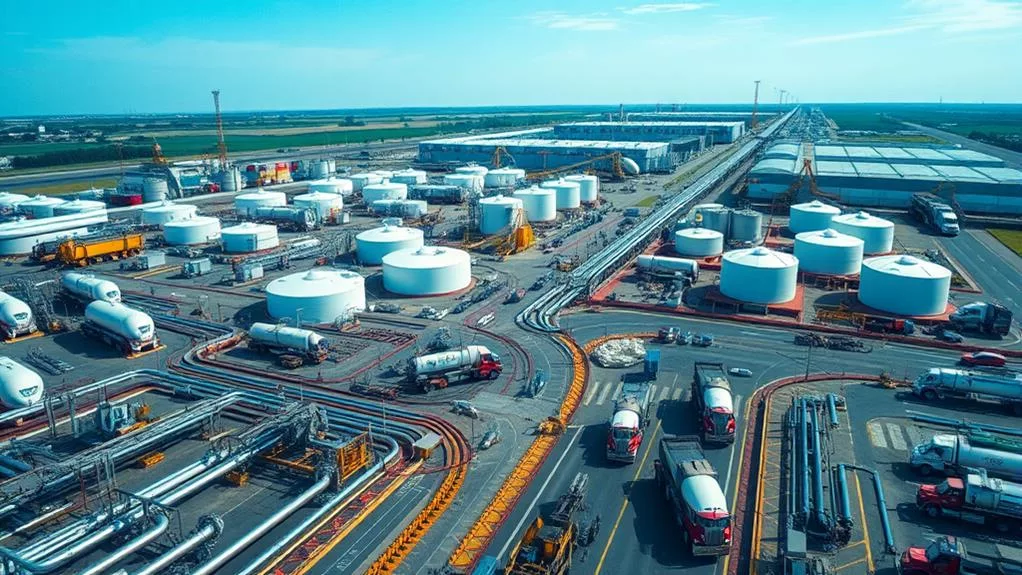
Customised fuel delivery significantly enhances fleet operations, offering tailored solutions that align with specific operational needs, reducing downtime and boosting cost efficiency. Efficient scheduling minimises disruptions and idle times, ensuring a seamless and continuous workflow.
Direct-to-fleet refuelling saves time and resources, fitting seamlessly into company routines and optimising performance. The integration of advanced technologies further enhances fuel usage and delivery processes, supporting sustainability and strategic management.
With comprehensive safety and compliance measures in place, fleets benefit from reduced risks and improved security. These innovations contribute to the long-term success of fleet management strategies, ensuring that operations remain safe, cost-effective, and environmentally responsible.
Importance of Customised Fuel Delivery
In the ever-evolving realm of fleet operations, customised fuel delivery is crucial for maintaining efficiency and productivity. Bespoke fuel services allow for the creation of fuel delivery schedules that match the specific needs of each fleet. This tailored approach enhances fleet efficiency and aids in effective cost management, ensuring vehicles perform at their best. It mitigates the risk of fuel shortages and reduces operational disruptions, thus boosting overall fleet performance.
Individualised fuel delivery plans are vital for optimising resource use and controlling costs. These plans ensure fuel reaches the right place at the right time, supporting high levels of vehicle productivity. Avoiding unnecessary downtime due to fuel shortages leads to a more reliable and efficient fleet operation.
Customisation in fuel delivery enables precise scheduling to meet specific operational requirements, enhancing all aspects of fuel consumption and expenditure.
The significance of tailored fuel delivery is paramount in achieving superior fleet performance. It creates an environment where fleets can excel, ensuring operations remain seamless and financially sustainable.
For instance, products like TrakRefuel and FuelGuard offer advanced solutions tailored to diverse fleet needs, helping businesses in South Africa maintain their operational edge without unnecessary financial strain.
Benefits of Efficient Scheduling
Efficient planning is essential for the success of fleet operations, particularly in the realm of fuel delivery. It ensures that operations proceed seamlessly, with fuel arriving precisely when and where required. This approach helps minimise downtime, optimising productivity and ensuring vehicles are always ready for action.
Cost savings are a significant advantage of effective planning. Precise scheduling of fuel delivery times and quantities can reduce waste and enhance operational efficiency. For instance, using a tool like the Fleetio fuel management system can help track fuel consumption and costs, allowing for better decision-making.
This approach not only lowers fuel expenses in South African Rand but also supports the sustainability of fleet operations by reducing unnecessary fuel consumption.
Additionally, well-thought-out planning fosters a sense of security among team members, knowing their work is underpinned by reliable logistical support. This ensures that the fleet's logistical requirements are met with precision, enabling teams to concentrate on their primary responsibilities. Efficient planning is not merely a logistical necessity; it is a strategic edge in fleet management.
Tailored Fuel Solutions for Fleets
Every fleet has distinct operational demands, and tailored fuel solutions are designed to address these specific requirements. Efficiency is crucial, so fuel delivery services have evolved to provide bespoke solutions that promote the smooth operation of each fleet without unnecessary interruptions.
Understanding the unique needs of different fleets allows these services to offer flexible fuel delivery schedules, optimising both efficiency and productivity.
Direct-to-fleet fuelling solutions exemplify this customised approach, providing convenient refuelling directly at the location of each vehicle. This eliminates the need for fleet vehicles to travel to off-site fuelling stations, saving valuable time and resources.
Fuel deliveries are strategically scheduled to align with the operational routines of the fleet, ensuring seamless continuity and preventing any fuel shortages that could disrupt fleet operations.
The benefit of such tailored fuel delivery services lies in their ability to adapt to the specific operational rhythms of each fleet. This ensures smooth and efficient fleet operations, keeping each vehicle ready to perform when required.
Personalised fuel solutions not only meet the immediate fuelling needs of fleets but also contribute to their long-term operational success and sustainability.
For example, the BP FleetMove card offers a comprehensive solution for fleets, providing access to a wide network of stations across South Africa.
Additionally, the Shell Fleet Solutions programme provides advanced fuel management tools, enhancing operational efficiency and cost control. These products cater to the varying requirements of fleets, offering practical and effective solutions.
Minimizing Downtime and Delays
Efficient scheduling of fuel deliveries is vital for minimising downtime and delays in fleet operations. Tailored fuel delivery plans ensure vehicles are refuelled promptly, preventing interruptions in daily activities. Implementing customised delivery schedules allows fleet managers to address each fleet's unique needs, guaranteeing smooth and uninterrupted operations. This approach not only keeps fleet vehicles moving but also optimises productivity, which is critical for businesses that depend on timely transport services.
Strategic scheduling enhances fleet efficiency. Coordinating timely fuel deliveries significantly reduces unnecessary idle time, which in turn minimises downtime. This planned approach ensures vehicles are ready for their next assignment without costly delays associated with refuelling mishaps.
Precisely timed fuel deliveries enable fleet operations to achieve seamless continuity, supporting business objectives and fostering reliability among stakeholders.
Adopting customised fuel delivery plans and strategic scheduling effectively prevents interruptions, ensuring fleets remain efficient and productive. Such proactive measures highlight the importance of thoughtful planning in fostering a sense of community and shared purpose within the organisation.
Enhancing Cost Efficiency
Strategic planning in fuel delivery significantly enhances cost efficiency for fleet operations. Effective fuel management reduces non-productive labour time at petrol stations, leading to notable monthly savings in labour hours. Teams can then concentrate on essential operational tasks.
Customised scheduling ensures a smooth fuel delivery service, eliminating operational interruptions and increasing fleet efficiency by reducing equipment downtime.
Precise fuel delivery scheduling decreases theft and minimises fuel wastage. Controlled delivery methods provide accurate fuel dispensing, preventing overfilling and underfilling. This precision safeguards against theft and spillage while reducing inaccuracies in fuel measurement that can lead to financial losses.
Aligning fuel supplies precisely with fleet needs optimises resource utilisation and supports a healthier bottom line.
Implementing tailored fuel delivery scheduling strategically improves cost efficiency through streamlined operations and strengthened resource management. In an evolving sector, adopting these practices ensures fleet operations remain competitive, reliable, and economically sustainable, reinforcing their position within the industry.
Leveraging Technology for Optimization
Building upon the efficiency gained through strategic fuel delivery, technology further optimises fleet operations. Real-time tracking of fuel levels and consumption rates allows fleet managers to enhance fuel usage efficiency. This system ensures precise monitoring, keeping fuel levels optimal without overstocking, and maintaining seamless operations.
Predictive ordering plays a crucial role, enabling fleets to accurately anticipate fuel needs and avoid surplus. This foresight, combined with route optimisation software like Route4Me, reduces travel distances and fuel consumption, fostering a sustainable approach to fleet management.
Automated scheduling refines these processes, streamlining fuel delivery schedules and ensuring each vehicle is serviced at the ideal time.
Advanced tracking technology improves service delivery optimisation and ensures compliance with industry standards. Leveraging these advancements, fleets maintain operational excellence and promote unity among team members committed to efficiency and sustainability. Embracing technology in fleet operations sets the stage for a future where each element of service delivery is finely tuned for peak performance.
Ensuring Safety and Compliance
Safety and compliance remain crucial in fleet operations, with strict protocols established to protect both personnel and the environment. Central to these efforts are rigorous safety measures designed to prevent fuel spillage and ensure compliance with relevant safety regulations. Technicians undergo continuous safety training to uphold industry standards and maintain compliance. Their expertise ensures precise execution of all operations, minimising risks and enhancing the overall safety culture within the organisation.
Emergency response plans address unforeseen challenges, providing solutions for unexpected fuel shortages and guaranteeing operational continuity. These plans are essential in maintaining smooth operations and protecting the fleet from potential disruptions.
Regular equipment inspections enhance safety measures, ensuring compliance with safety regulations and preventing environmental hazards.
Stringent measures, such as spill prevention systems and real-time tracking, safeguard against potential risks. Real-time tracking enables swift identification and resolution of issues, reinforcing the fleet's commitment to safety. Integration of these comprehensive strategies ensures fleet operations not only adhere to regulatory requirements but also foster a sense of belonging and security among all stakeholders, highlighting the importance of safety and adherence in achieving sustainable success.