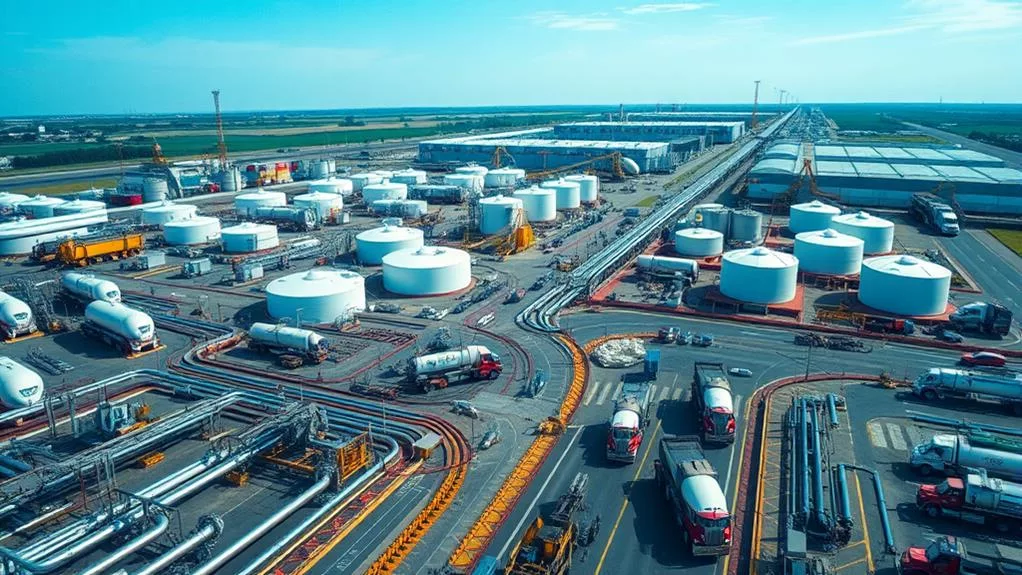
Diesel fuel has played a significant role as an energy source in various industries and economies worldwide. Its widespread use and impact on numerous sectors have made it a subject of interest for research and exploration.
This article examines the journey of diesel fuel from Vopak and Engen, two prominent companies in the energy sector. By collaborating and leveraging their expertise, these companies have contributed to the evolution and development of diesel as a key energy source.
The article will delve into the origins of diesel fuel, its rise in popularity, and the collaborative efforts between Vopak and Engen that have helped shape its trajectory.
Furthermore, the article will explore the impact of diesel on industries and economies, as well as the environmental considerations and sustainability concerns associated with its usage.
Finally, the article will discuss the future of diesel and the potential for continued collaboration between Vopak and Engen in this field.
Key Takeaways
- Biodiesel offers a cleaner alternative to traditional diesel, reducing greenhouse gas emissions and air pollution.
- Hydrogen fuel cells show potential to enhance fuel efficiency and reduce emissions in diesel engines.
- Collaboration and investment are crucial for shaping the future of diesel and driving progress in diesel technology.
- Alternative fuels play an important role in contributing to a sustainable energy future and shaping the future of energy.
The Origins of Diesel Fuel
The origins of diesel fuel can be traced back to the late 19th century when Rudolf Diesel, a German engineer, developed the first compression ignition engine.
Diesel fuel was created as a result of Diesel’s quest for an efficient alternative to steam engines. The compression ignition engine utilized the principle of self-ignition, where fuel ignites due to the high temperature resulting from compression. This innovation allowed for greater fuel efficiency and power output compared to the contemporary steam engines.
Over time, the composition of diesel fuel has undergone evolution to improve its performance and reduce emissions. Today, diesel fuel is derived from crude oil through a refining process, and it is widely used in various industries, including transportation and power generation.
Its origins and evolution have shaped the modern diesel fuel industry, providing a reliable and efficient source of energy.

The Rise of Diesel as a Key Energy Source
Diesel fuel has experienced a significant rise in its adoption within both the transportation and industrial sectors. This increase can be attributed to its numerous advantages and benefits.
In terms of transportation, diesel fuel offers higher energy density compared to gasoline, resulting in increased fuel efficiency and longer driving ranges.
In industrial settings, diesel fuel provides a reliable and cost-effective source of energy for machinery and equipment.
Increased adoption in transportation and industrial sectors
Adopted by various transportation and industrial sectors, diesel has experienced a remarkable surge in popularity, revolutionizing the way these sectors operate.
One of the key reasons for this increased adoption is the heightened efficiency that diesel offers. Compared to other fuel options, diesel engines are known for their ability to convert a higher percentage of the fuel’s energy into useful work. This increased efficiency translates into improved performance and reduced fuel consumption.
Furthermore, diesel is also favored for its cost-effectiveness. Diesel fuel tends to be more affordable compared to gasoline, making it an attractive option for transportation and industrial companies looking to optimize their operational costs.
The combination of increased efficiency and cost-effectiveness has made diesel a preferred choice for many sectors, driving its widespread adoption and solidifying its position as a key energy source.
Advantages and benefits of diesel fuel
One of the key advantages of diesel fuel is its higher energy conversion efficiency, allowing for improved performance and reduced fuel consumption in various sectors.
Diesel fuel contains a higher energy density compared to other fuels, resulting in more power being generated per unit of fuel consumed. This makes diesel an ideal choice for vehicles and machinery that require high torque and power output, such as trucks, buses, and heavy construction equipment.
In addition, diesel engines have a longer lifespan and lower maintenance costs compared to gasoline engines.
Diesel fuel also offers better fuel economy, as it burns more efficiently and releases less carbon dioxide emissions.
Furthermore, diesel fuel is less volatile and safer to handle compared to gasoline, making it suitable for storage and transportation.
Overall, the advantages and benefits of diesel fuel make it a preferred choice in transportation and industrial sectors.

The Collaboration Between Vopak and Engen
The collaboration between Vopak and Engen has resulted in significant advancements in the diesel journey. Through their collaborative efforts, both companies have been able to achieve mutual benefits.
Vopak, a leading storage and logistics company, has provided Engen with access to their extensive infrastructure and expertise in handling and storing diesel fuel. This has allowed Engen to optimize their supply chain and ensure a reliable and efficient distribution of diesel fuel to their customers.
In return, Engen has provided Vopak with a steady demand for their storage services, resulting in increased business opportunities and revenue.
This collaborative partnership has not only strengthened the diesel journey but has also enhanced the overall supply chain efficiency, benefiting both companies involved and ultimately the consumers who rely on diesel fuel for various purposes.
Diesel’s Impact on Industries and Economies
Industries and economies have witnessed significant transformations as a result of diesel’s widespread utilization and its consequential impact on various sectors. Diesel, as a fuel, has played a vital role in powering transportation, construction, and other industrial activities. However, its use has also raised concerns regarding emissions and environmental impact. To address these concerns, industries have been exploring diesel alternatives, such as biodiesel and electric-powered vehicles. These alternatives aim to reduce the carbon footprint and mitigate the negative effects of diesel on air quality. Moreover, governments and regulatory bodies have imposed stricter emission standards, forcing industries to adopt cleaner technologies. This shift towards cleaner fuels and technologies not only reduces pollution but also promotes sustainable development, creating a positive impact on both the environment and the economy.
| Diesel’s Impact on Industries and Economies | |
|---|---|
| Positive Impacts | Negative Impacts |
| – Efficient fuel for transportation and industrial activities | – High emissions leading to air pollution |
| – Supports economic growth and development | – Contribution to global warming |
| – Availability and accessibility in many regions | – Dependency on fossil fuels |
| – Established infrastructure for distribution and storage | – Health risks associated with pollution |
Environmental Considerations and Sustainability
Diesel’s impact on industries and economies has been significant, but it is important to consider the environmental consequences and sustainability of this fuel source. As industries continue to rely on diesel for their operations, it becomes crucial to explore renewable alternatives and comply with environmental regulations.
In this context, it is essential to highlight three key points:
- Renewable alternatives: The adoption of renewable energy sources, such as biodiesel and hydrogen, can reduce the carbon footprint associated with diesel consumption. These alternatives offer a sustainable and cleaner option for industries and help mitigate environmental impacts.
- Environmental regulations: Governments around the world are implementing stricter regulations to reduce emissions and protect the environment. Compliance with these regulations is necessary to ensure a sustainable future and avoid penalties or reputational damage.
- Long-term sustainability: By embracing renewable alternatives and adhering to environmental regulations, industries can contribute to long-term sustainability. This not only benefits the environment but also supports the development of a greener economy, fostering a sense of belonging and responsibility towards the planet.
The Future of Diesel and Continued Collaboration
Continued collaboration among stakeholders in the energy sector is crucial for determining the future of fuel sources and ensuring a sustainable and environmentally friendly path forward. In recent years, there has been a growing emphasis on the role of alternative fuels in reducing harmful emissions and mitigating climate change.
This has led to advancements in diesel engine technology, with manufacturers striving to improve fuel efficiency and reduce pollutants. One notable development is the use of biodiesel, a renewable fuel made from vegetable oils or animal fats, which can be blended with conventional diesel fuel. Biodiesel reduces greenhouse gas emissions and has a lower carbon footprint compared to traditional diesel.
Additionally, research is ongoing to explore the use of hydrogen fuel cells in diesel engines, which could further enhance fuel efficiency and reduce emissions.
Continued collaboration and investment in alternative fuels and diesel engine technology will be crucial in shaping the future of diesel and achieving a more sustainable energy landscape.

Frequently Asked Questions
How is diesel fuel produced and refined?
Diesel fuel is produced through a refining process that involves removing impurities from crude oil. This process includes distillation, where the oil is heated and separated into different components based on their boiling points. The resulting diesel is then further treated to meet quality standards.
What are the main advantages and disadvantages of using diesel fuel?
Advantages of diesel fuel include higher fuel efficiency, longer engine life, and lower greenhouse gas emissions. However, its disadvantages include higher initial costs, harmful emissions such as nitrogen oxides, and concerns about dependence on fossil fuels.
How does the collaboration between Vopak and Engen contribute to the availability and distribution of diesel fuel?
The collaboration between Vopak and Engen has a significant impact on fuel distribution efficiency. This partnership enhances the availability of diesel fuel through streamlined logistics and optimized storage facilities, ensuring a steady supply to meet the demands of consumers.
What are some specific industries and economies that heavily rely on diesel fuel?
Industries heavily reliant on diesel fuel include transportation, construction, agriculture, and mining. Diesel fuel plays a crucial role in these sectors, powering vehicles, machinery, and generators. The economic impact of diesel fuel is significant, as it contributes to job creation, trade, and economic growth.
What are some of the key environmental concerns associated with diesel fuel and what sustainability measures are being taken to address them?
Diesel fuel emissions pose key environmental concerns, including air pollution and contribution to climate change. To address this, sustainability measures include promoting alternative fuel options such as biodiesel, hydrogen, and electric vehicles, reducing emissions and promoting a cleaner energy future.
Looking to enhance your operations with reliable energy solutions? Explore our specialised services: from Bulk Diesel Distribution and Fuel Management Services to On-Site Refuelling in Vryheid and Truck Stop Services. Request a Quote or Join Our Energy Network today for tailored solutions that keep your business moving!