To mitigate the environmental impact of large-scale fuel supply, essential strategies involve reducing carbon emissions, preventing spills, and embracing sustainable practices.
Streamlined logistics, such as precise route planning and live monitoring, significantly decrease emissions and enhance decision-making.
Advanced storage solutions ensure reduced spill risks, while transitioning to alternative fuels like biodiesel can lower greenhouse gases.
Regular fleet maintenance and efficient driving techniques further diminish fuel consumption.
Collaborating with eco-conscious partners and employing data-driven insights for sustainable decision-making are vital. Examining these methods provides a pathway towards achieving comprehensive sustainability in large-scale fuel supply operations.
Understanding Environmental Challenges
In the bulk fuel supply sector, recognising environmental challenges is essential for mitigating the adverse effects associated with this industry. Significant environmental hurdles exist, primarily due to carbon emissions, spill risks, and contamination related to on-site fuel storage and delivery. These emissions play a major role in global pollution levels, demanding immediate attention for effective management.
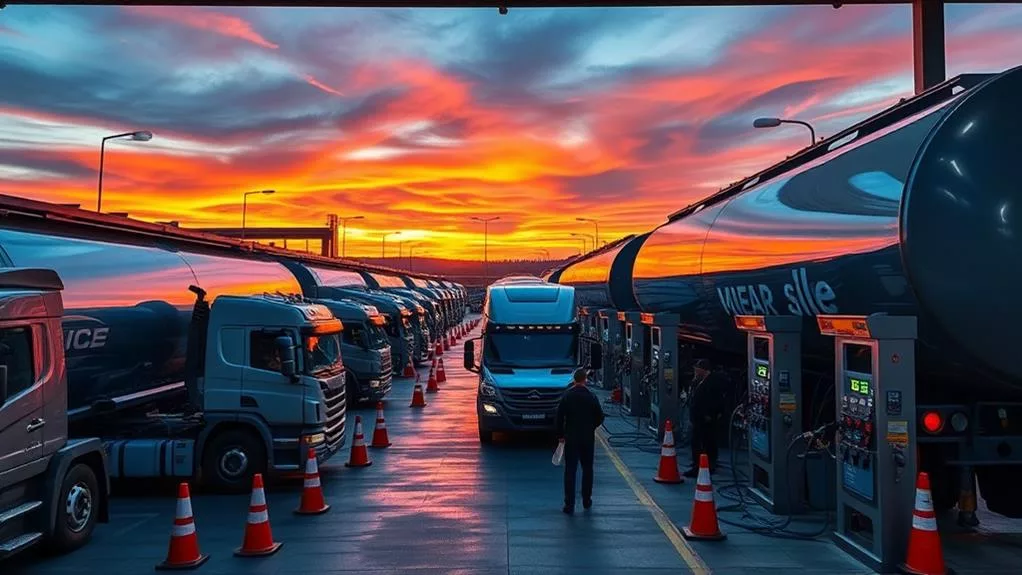
Bulk fuel operations often result in heightened traffic congestion, exacerbating the environmental impact through prolonged vehicle emissions.
Addressing these challenges requires a comprehensive approach that integrates sustainable fuel practices into all aspects of operational management. Focusing on reducing carbon footprints and enhancing fuel efficiency can aid in lessening the industry's environmental impact.
Strategic management of fuel delivery and storage systems is critical to preventing spills and contamination, ensuring environmental safety and sustainability.
Collective efforts to tackle these issues foster a sense of community responsibility, encouraging a shared commitment to environmental stewardship. Stakeholders in the bulk fuel supply chain should embrace these challenges to unlock creative solutions that align with global sustainability goals, ensuring a cleaner, safer environment for future generations.
Optimizing Fuel Logistics
Optimising fuel logistics is crucial for reducing environmental impact and enhancing operational efficiency within the bulk fuel supply industry. Refining route planning significantly decreases fuel consumption and emissions, promoting a sustainable approach to fuel distribution. Efficient route planning not only cuts travel time but also reduces the carbon footprint, aligning with environmental objectives.
Real-time monitoring is essential for achieving resource efficiency. This technology allows for dynamic adjustments and informed decision-making, leading to optimised fuel usage and lower emissions. Comprehensive data collection enables businesses to track fuel distribution processes accurately, ensuring transparency and accountability in operations.
Advanced technologies such as cloud-based software enhance fuel logistics value by supporting sustainability initiatives. These tools facilitate seamless coordination and management of logistics, ensuring operations are both efficient and environmentally responsible. Geofencing technology enhances safety and efficiency during fuel distribution, providing control that prevents unauthorised access and ensures compliance with environmental standards.
Ultimately, optimising fuel logistics through these methodologies fosters a collective commitment to reducing the industry's environmental impact, creating a sense of belonging among stakeholders dedicated to sustainability.
Implementing Storage Solutions
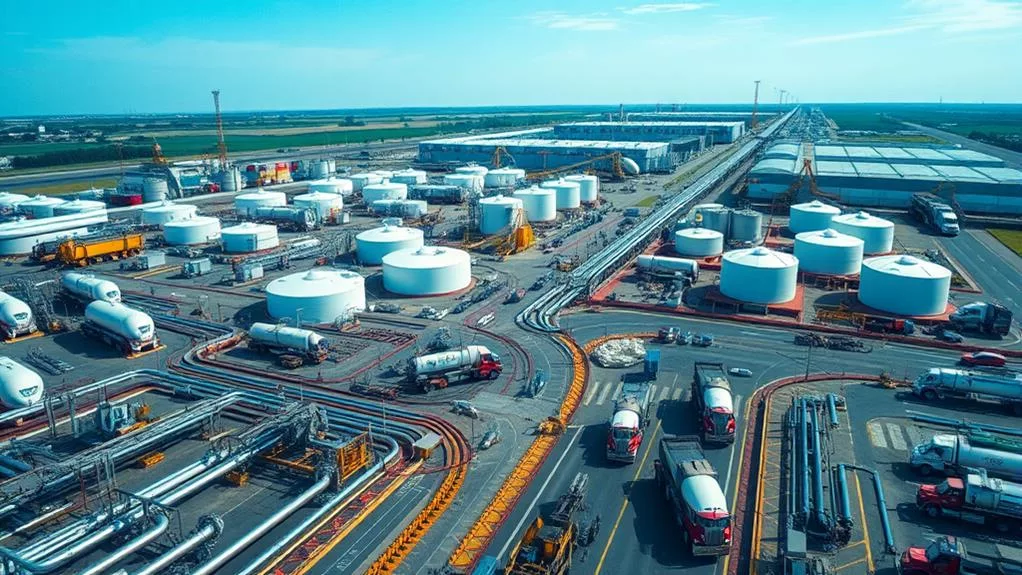
Building on advancements in fuel logistics, implementing strategic storage solutions plays a crucial role in minimising environmental impacts within the bulk fuel supply industry. Efficient fuel storage systems significantly reduce the risk of spills and leaks, thereby enhancing environmental protection.
On-site storage facilities enable better control over fuel distribution, reducing the environmental footprint of transportation activities. This approach ensures that carbon emissions associated with frequent fuel deliveries are minimised, aligning with the industry's sustainable practices goals.
Incorporating bulk fuel storage solutions optimises fuel management, reducing wastage and showcasing a commitment to responsible handling. Mitigating environmental risks fosters a sense of belonging among stakeholders who prioritise sustainability and environmental stewardship.
Efficient storage systems enhance predictability and reliability in fuel supply, reinforcing the industry's dedication to sustainable operations.
Embracing advanced storage solutions demonstrates a proactive approach towards environmental protection, instilling confidence in communities affected by fuel distribution activities. As the industry evolves, integrating storage strategies becomes vital to maintaining ecological balance and ensuring a cleaner, more sustainable future for all stakeholders involved in the bulk fuel supply chain.
For instance, products such as the Bunded Fuel Tanks from Tuffa Tanks are designed to prevent spills and leaks, offering a robust solution for safe fuel storage. These tanks comply with environmental regulations and provide peace of mind for both operators and the community.
Additionally, monitoring systems like the Smart Tank from Kingspan allow for real-time fuel level tracking, aiding in efficient fuel management and further reducing environmental impact.
Transitioning to Alternative Fuels
The pursuit of sustainability in the bulk fuel supply industry places a strong emphasis on transitioning to alternative fuels. This shift arises from the urgent need to reduce carbon emissions and minimise the environmental impact associated with traditional petroleum-based fuels. Alternative fuels, such as biodiesel and renewable natural gas, offer a sustainable approach, significantly decreasing greenhouse gas emissions. This strategy addresses environmental responsibility and aligns with broader sustainability goals to reduce the carbon footprint within transportation fleets.
Transitioning to alternative fuels provides an opportunity to diversify energy sources, reducing dependence on fossil fuels. Bulk fuel supply chains can contribute meaningfully to environmental preservation and foster communal responsibility towards a cleaner future. Integrating alternative fuels within supply operations reflects a commitment to mitigating the negative impacts of conventional fuel usage.
For instance, the use of biodiesel, which can be blended with conventional diesel, reduces emissions without the need for significant engine modifications. Renewable natural gas, derived from organic waste, is another viable option that supports waste reduction and energy production.
The industry can lead the way in promoting sustainable practices by adopting these innovative solutions, ultimately creating a shared sense of belonging among stakeholders dedicated to environmental stewardship. Embracing alternative fuels is a crucial step towards achieving a more sustainable and enduring energy future.
Fleet Maintenance Practices
Optimising fleet maintenance is essential for enhancing fuel efficiency and minimising the environmental impact of bulk fuel supply operations. Regular fleet maintenance can reduce fuel consumption by up to 5%. This aligns with a community ethos that values sustainability and resource conservation.
Routine maintenance tasks such as ensuring proper tyre inflation and alignment can improve fuel efficiency by approximately 3%. In addition, regular engine tune-ups and timely filter replacements can further enhance fuel economy by 4%, collectively resulting in a substantial decrease in environmental impact. Efficient driving techniques can lead to fuel savings of up to 10%, underlining the importance of comprehensive fleet maintenance strategies.
Beyond immediate fuel savings, effective fleet maintenance extends vehicle lifespan, thus reducing the manufacturing impact of producing new vehicles. This approach supports a sustainable cycle and resonates with communities dedicated to long-term ecological stewardship.
Fostering a culture of care and responsibility ensures that operations align with shared environmental values, promoting a sense of belonging within a conscientious global community.
Monitoring Performance Metrics
A crucial aspect of enhancing the sustainability of bulk fuel supply operations is the meticulous monitoring of performance metrics. This necessitates a comprehensive approach to tracking key factors such as fuel consumption, energy use, emissions, and operational efficiency. Organisations can assess the environmental impact of their operations and identify areas for improvement in sustainability practices with this approach. Real-time tracking of these performance metrics is essential, enabling effective mitigation strategies and timely interventions that significantly reduce the environmental footprint of fuel supply activities.
Data collection and analysis empower businesses to make informed decisions aligned with their sustainability objectives. Monitoring fuel consumption and emissions allows organisations to identify inefficiencies and develop targeted initiatives to enhance operational efficiency. This proactive strategy not only supports environmental stewardship but also fosters a sense of belonging among stakeholders committed to sustainable practices.
For instance, businesses might consider implementing the use of energy-efficient vehicles like hybrid lorries to reduce fuel consumption and emissions.
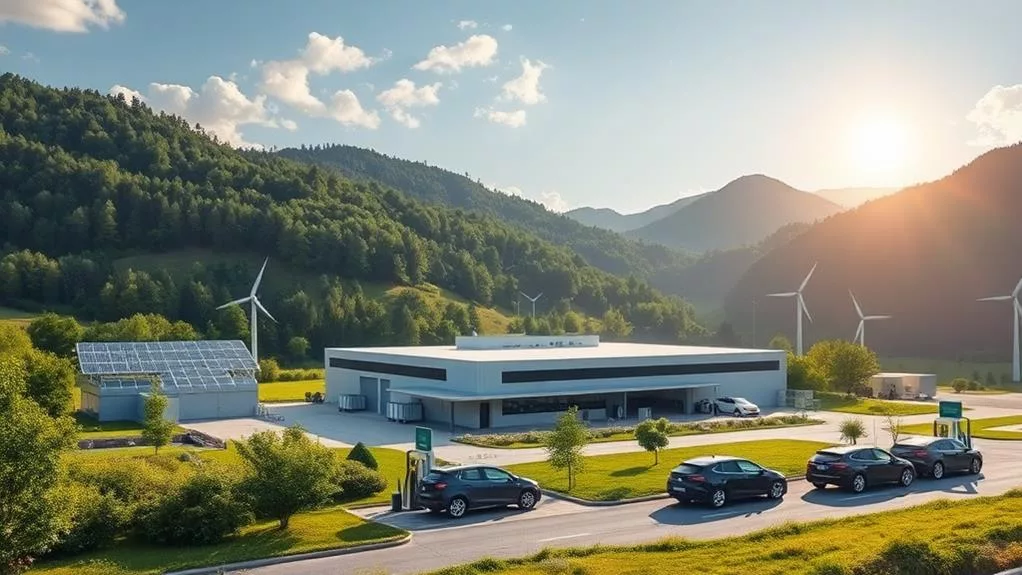
The transparency afforded by real-time tracking and performance metrics builds trust within the community and among industry peers. Businesses striving to minimise their environmental impact contribute to the broader goal of sustainable development, thereby reinforcing their role as responsible corporate citizens. The adoption of solar energy systems for powering operations is another example of a sustainable practice that can be considered.
Promoting Sustainable Partnerships
Organisations within the bulk fuel supply industry can significantly enhance sustainability through the cultivation of sustainable partnerships. Collaborating with suppliers committed to reducing carbon emissions is crucial. These alliances prioritise responsible sourcing and distribution, ensuring that fuel procurement aligns seamlessly with sustainability goals. Such collaborations allow organisations to participate actively in green initiatives, reinforcing their dedication to environmental stewardship.
Selecting partners with robust environmental credentials is a strategic approach within this sector. These partnerships not only focus on reducing carbon footprints but also promote a culture of sustainable practices throughout the supply chain. Working alongside suppliers who prioritise sustainability allows organisations to contribute to the reduction of their overall environmental impact, aligning their operations with global efforts to combat climate change.
Sustainable partnerships form the bedrock for long-term environmental responsibility. They empower companies to achieve sustainability objectives while fostering a sense of unity within the industry. Championing responsible sourcing and sustainability improves an organisation's reputation and creates a ripple effect that encourages others in the sector to adopt similar practices, securing a more sustainable future for all stakeholders.