Are small businesses dependent on a reliable fuel supply for their day-to-day operations? How does fuel distribution impact the costs and environmental considerations of these businesses?
These questions form the basis of our exploration into the relationship between fuel distribution and small businesses. In this article, we will examine the importance of a dependable fuel supply for small businesses and the challenges they face in obtaining it.
We will also discuss strategies that can be employed to effectively manage fuel distribution and minimize associated costs. Furthermore, we will explore the environmental implications of fuel distribution and consider future trends in this field.
By delving into these topics, we aim to provide valuable insights for small business owners and stakeholders who seek to optimize their fuel distribution processes and understand the broader implications of their choices.
Key Takeaways
- Small businesses heavily rely on a reliable fuel supply for day-to-day operations.
- Fuel supply instability affects the wider economy by impacting job creation and economic growth.
- Limited access to transportation infrastructure and inadequate distribution networks hinder fuel distribution for small businesses.
- Efficient fuel delivery routes and fuel monitoring systems can optimize fuel distribution and improve profitability for small businesses.
Importance of Reliable Fuel Supply for Small Businesses
The reliable supply of fuel plays a crucial role in the success and sustainability of small businesses.
Fuel supply stability is essential for small businesses as it directly impacts their operations and economic viability. Small businesses heavily rely on fuel for transportation, manufacturing, or powering equipment, and any disruption in supply can result in significant financial losses and operational challenges.
Unreliable or insufficient fuel supply can impede production, delay deliveries, and increase costs, which can in turn lead to reduced profitability and competitiveness for small businesses.
Moreover, the economic impact of fuel supply instability extends beyond individual businesses, affecting the wider economy as well. Small businesses are key contributors to job creation and economic growth, and a reliable fuel supply is essential for their continued success and the overall well-being of the business community.
Challenges in Fuel Distribution for Small Businesses
Challenges related to the transportation and allocation of resources have hindered the growth and prosperity of entrepreneurial endeavors operating on a smaller scale. In the context of fuel distribution for small businesses, these challenges are particularly pronounced.
Fuel distribution logistics pose a significant hurdle for these enterprises, as they struggle to ensure a reliable supply of fuel to meet their operational needs. Limited access to transportation infrastructure and inadequate distribution networks can lead to delays in fuel delivery, disrupting business operations and causing financial losses.
Additionally, fuel distribution regulations add another layer of complexity, requiring small businesses to comply with strict safety standards, licensing requirements, and documentation procedures. These challenges can be emotionally draining for small business owners, leaving them feeling frustrated, overwhelmed, and disheartened.
Strategies for Managing Fuel Distribution
To effectively manage the allocation and transportation of resources, small-scale entrepreneurs can employ strategic measures that optimize fuel supply and minimize logistical complications.
Fuel distribution optimization is crucial for small businesses to ensure smooth operations and reduce costs. One strategy is to establish efficient routes for fuel delivery by analyzing factors such as customer demand, distance, and traffic conditions. This can help minimize travel time and fuel consumption.
Additionally, implementing fuel monitoring systems can provide real-time data on fuel levels and consumption, allowing for better planning and preventing shortages.
Collaborating with reliable fuel suppliers and establishing long-term contracts can also ensure a steady and timely supply of fuel.
Effective management of fuel distribution logistics requires careful planning, regular monitoring, and proactive measures to mitigate any potential disruptions or inefficiencies.
By adopting these strategies, small businesses can streamline their fuel distribution processes and optimize their operations.
Impact of Fuel Distribution on Small Business Costs
One interesting statistic to consider is that optimizing fuel distribution routes can lead to a reduction in travel time and fuel consumption by up to 20%. This demonstrates the significant impact that fuel distribution can have on small business costs. By efficiently managing fuel distribution, small businesses can not only save on fuel expenses but also reduce the time and resources spent on transportation. This can result in improved profitability and competitiveness in the market. Additionally, fuel pricing has a direct influence on small business costs. Fluctuations in fuel prices can greatly affect the overall expenses of small businesses, as fuel is a crucial input for many operations. Therefore, it is essential for small businesses to closely monitor fuel distribution efficiency and stay informed about fuel pricing trends to effectively manage their costs and maintain a competitive edge in the market.
| Fuel Distribution Efficiency | Fuel Pricing Impact |
|---|---|
| Reduces travel time | Influences overall expenses |
| Decreases fuel consumption | Affects small business costs |
| Saves on transportation resources | Essential input for operations |
| Improves profitability | Maintains competitive edge |
Environmental Considerations in Fuel Distribution
Environmental considerations play a significant role in the efficient and sustainable management of fuel resources. In the context of fuel distribution, sustainability practices are essential to minimize the negative impact on the environment.
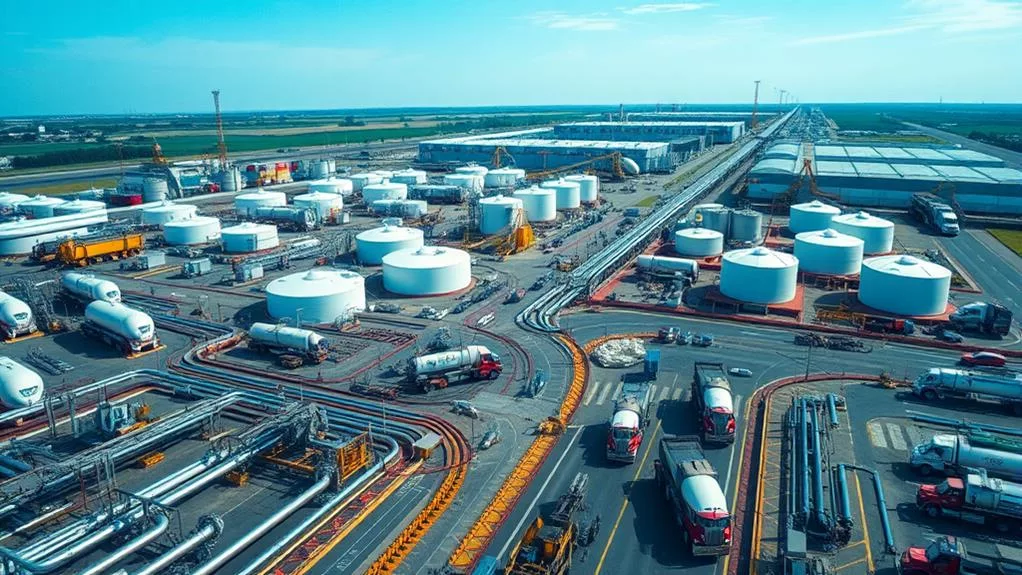
One key aspect is the proper management of fuel storage. It is crucial to ensure that fuel is stored in a way that minimizes the risk of leaks or spills, which can contaminate soil and water sources. Implementing measures such as double-walled tanks, leak detection systems, and regular inspections can help mitigate these risks.
Additionally, fuel distributors can prioritize the use of renewable and low-carbon fuels, reducing the overall carbon emissions associated with the distribution process.
By adopting environmentally-friendly practices and investing in sustainable fuel storage solutions, fuel distributors can contribute to a cleaner and healthier environment while ensuring the long-term viability of their business operations.
Future Trends in Fuel Distribution for Small Businesses
As the fuel industry continues to evolve, small businesses in the sector are likely to witness a paradigm shift towards innovative technologies and alternative energy sources, leading to a transformative era in their operations.
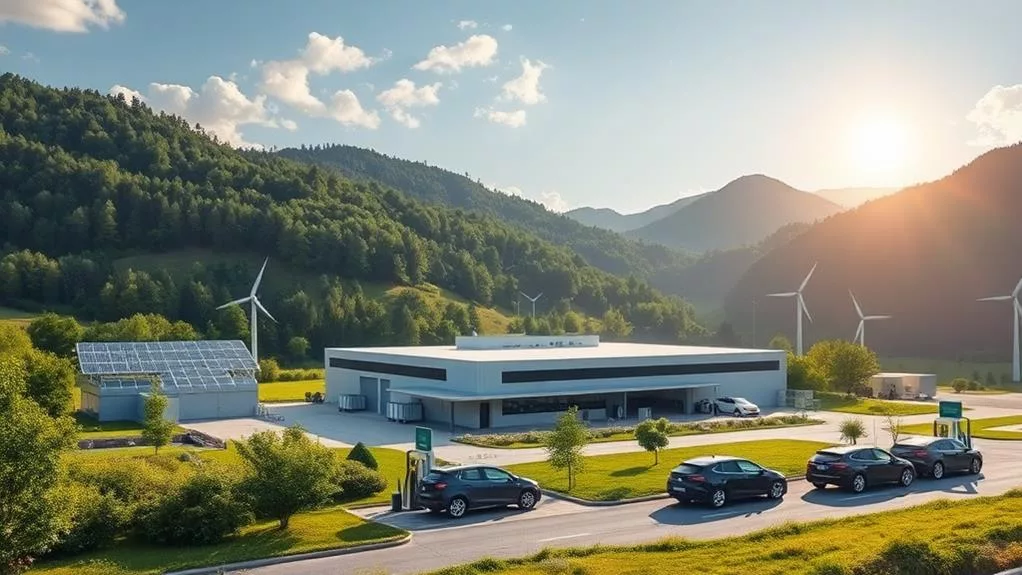
The increasing demand for sustainable practices and the need for reducing greenhouse gas emissions are driving the exploration and adoption of alternative fuels in fuel distribution. Small businesses are expected to embrace these changes and invest in technologies that enable the use of alternative fuels in their operations. This includes advancements in electric vehicles, hydrogen fuel cells, and biofuels.
Technological advancements in fuel distribution, such as improved delivery systems and smart monitoring devices, will also play a crucial role in optimizing efficiency and reducing costs for small businesses.
Overall, the future of fuel distribution for small businesses lies in the integration of alternative fuels and the utilization of advanced technologies to achieve sustainable and cost-effective operations.
Frequently Asked Questions
How do small businesses ensure a reliable fuel supply during emergencies or natural disasters?
Small businesses ensure a reliable fuel supply during emergencies or natural disasters through effective fuel supply management and emergency preparedness measures. These measures include developing contingency plans, maintaining fuel inventories, and establishing relationships with reliable fuel suppliers.
What are the common challenges faced by small businesses in negotiating favorable fuel distribution contracts?
Common challenges faced by small businesses in negotiating favorable fuel distribution contracts include pricing issues, supply chain disruptions, contract terms, and limited bargaining power. Effective negotiation strategies involve thorough research, communication skills, and seeking professional advice.
Are there any specific strategies that small businesses can adopt to minimize fuel distribution costs in the long run?
To minimize fuel distribution costs in the long run, small businesses can implement effective strategies. These may include optimizing delivery routes, adopting fuel-efficient vehicles, monitoring fuel consumption, and negotiating favorable contracts with suppliers.
How can small businesses ensure that their fuel distribution practices are environmentally responsible?
To ensure environmentally responsible fuel distribution practices, small businesses should adopt sustainable practices such as reducing emissions through efficient logistics, using alternative fuels, promoting energy conservation, and implementing waste management strategies. These practices contribute to a cleaner and greener environment.
What are some emerging technologies or innovations that could revolutionize fuel distribution for small businesses in the future?
Emerging technologies and innovative solutions have the potential to revolutionize fuel distribution for small businesses in the future. These advancements can improve efficiency, reduce environmental impact, and enhance overall sustainability in the industry.
Looking to enhance your operations with reliable energy solutions? Explore our specialised services: from Bulk Diesel Distribution and Fuel Management Services to On-Site Refuelling in Vryheid and Truck Stop Services. Request a Quote or Join Our Energy Network today for tailored solutions that keep your business moving!