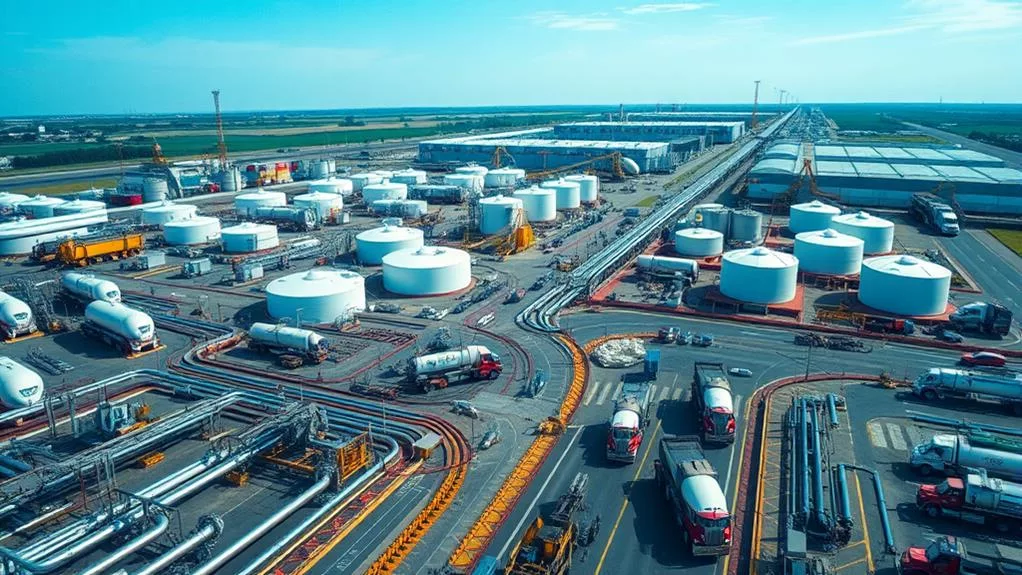
Strategic fuel supply scheduling is essential for efficient farm operations. Understanding fuel demand cycles through the analysis of historical data and anticipating seasonal fluctuations ensures preparedness for peak demand. Assessing storage capacities allows for optimal inventory levels, with solutions such as on-site depots providing cost efficiency.
Strong coordination with suppliers through consistent communication and long-term contracts enhances reliability. Utilising advanced scheduling technology automates workload, optimises gas flow, and reduces financial risks.
Regular monitoring and real-time adjustments maintain operational excellence and swiftly address emerging needs. By adopting these strategies, farms can achieve a balanced and effective fuel supply management system.
Understanding Fuel Demand Cycles
Understanding fuel demand cycles is essential for effective farm management. These cycles are strongly influenced by seasonal activities like planting, harvesting, and irrigation. Recognising these patterns enables farms to anticipate and respond to fluctuations in fuel needs, ensuring operations run smoothly and efficiently.
Predicting future demand cycles accurately involves analysing historical data on fuel consumption, a crucial step that aids in the strategic planning of fuel supply scheduling.
Efficiency gains are vital when aligning fuel supply with demand. Considering peak demand periods and adjusting inventory levels accordingly helps farms avoid unnecessary costs and potential disruptions. Weather conditions, equipment usage, and prevailing market trends significantly affect fuel demand cycles. Integrating these variables into planning processes improves operational efficiency and ensures a steady supply of fuel.
Implementing a strategic fuel supply plan optimises costs and fosters a sense of security and reliability within the farming community. Ensuring uninterrupted operations during peak demand periods bolsters the farm’s ability to contribute to the community’s agricultural success, creating an environment where every member feels connected and valued.
Assessing Storage and Capacity Needs
Effective management of fuel supply on farms requires more than just understanding demand cycles. It involves accurately assessing storage and capacity needs. Calculating average daily fuel consumption is essential to determine the necessary storage that aligns with usage patterns.
Evaluating available storage capacity enables farmers to identify whether expansion is needed to accommodate future demands. Seasonal variations must be considered, as fuel requirements may fluctuate, necessitating additional storage during peak periods.
Cost-efficient solutions such as bulk storage tanks or on-site fuel depots can greatly improve supply management. These options provide immediate access to fuel and offer cost savings by reducing the frequency of deliveries and enabling bulk purchasing, which often comes with discounts in South African Rand.
Implementing monitoring systems is a strategic move, as they track fuel levels in real-time and automate reordering processes. This ensures optimal stock levels are maintained without the risk of shortages.
Coordinating With Fuel Suppliers
Examining the complexities of farm fuel management hinges on establishing strong connections with fuel suppliers. Essential to this effort is maintaining consistent communication channels. Ensuring a steady dialogue allows farms to guarantee timely deliveries and swiftly address any potential disruptions in the supply of crucial resources like diesel and natural gas. This proactive approach fosters a sense of community and dependability, necessary for the smooth operation of farming activities.
A strategic element of working with suppliers includes keeping a detailed record of past fuel orders, delivery schedules, and supplier performance. This historical data empowers farms to make informed decisions and strengthen negotiations for future contracts, potentially investigating bulk purchasing options to secure more favourable pricing terms in South African Rand.
Establishing long-term supply contracts further strengthens these relationships, ensuring a stable and predictable supply chain.
Preparing contingency plans and alternative sourcing strategies is vital for mitigating risks associated with unforeseen disruptions or market volatility. Implementing strong inventory management practices, perhaps through advanced software tools, allows farms to track consumption patterns and optimise ordering schedules. For instance, using software like FarmFuelManager can streamline these processes. Such strategic coordination not only achieves cost savings but also improves the farm’s resilience in managing its fuel supplies effectively.
Leveraging Advanced Scheduling Technology
Integrating state-of-the-art scheduling technology into farm operations transforms fuel supply management, significantly reducing manual labour and enhancing efficiency. Automation of nominations can cut down manual workload by as much as 90%, enabling farm managers to concentrate on other vital areas. This technology not only streamlines tasks but also conserves time, ensuring smooth operations.
Auto-allocation features elevate the process, linking confirmed volumes directly to trades, thus simplifying reconciliation. This integration maintains accurate and up-to-date financial records, reducing the risk of expensive errors. Path templates in scheduling software are engineered to optimise gas flow paths, boosting operational efficiency and decreasing waste.
The financial implications of scheduling errors can be significant. Implementing advanced scheduling technology helps farms mitigate these risks, protecting their financial stability. Reduced reliance on manual scheduling tasks allows farms to save on payroll expenses, as the necessity for overtime diminishes. This not only creates a sense of belonging among staff, who are relieved from monotonous tasks, but also strengthens the farm’s financial health by optimising resource allocation and expenditure.
Monitoring and Adjusting Schedules
Building upon the efficiency gains achieved through advanced scheduling technology, the focus now shifts to the task of monitoring and adjusting fuel supply schedules. Real-time monitoring is essential in tracking fluctuations in gas supply and demand. This proactive approach enables farms to address challenges such as changes in weather, shifting market conditions, or unforeseen disruptions in transportation, which could otherwise lead to delays or inefficiencies.
Real-time monitoring empowers farm managers to make informed decisions promptly, preventing shortages or the accumulation of excess inventory. Maintaining optimal fuel levels can reduce operational costs and boost productivity.
Swiftly adjusting schedules in response to emerging needs ensures that downtime is minimised and efficiency is optimised, fostering a sense of reliability and security within the farming community.
Utilising technology for real-time monitoring and adjustment improves scheduling accuracy and lessens the risk of supply interruptions. This strategic approach aligns with a collective commitment to operational excellence, providing farms with the necessary tools to adapt and thrive regardless of external conditions.
This promotes a connected environment where farms can thrive, united by shared goals of efficiency and sustainability.
Looking to enhance your operations with reliable energy solutions? Explore our specialised services: from Bulk Diesel Distribution and Fuel Management Services to On-Site Refuelling in Vryheid and Truck Stop Services. Request a Quote or Join Our Energy Network today for tailored solutions that keep your business moving!