Ensuring fuel tanker safety necessitates strict adherence to regulations and the incorporation of essential safety features. Tankers are required to meet design specifications and be equipped with safety devices such as air vents, rollover valves, and electronic stability control systems to prevent spills and accidents. Proper handling procedures, including grounding systems, are crucial for mitigating risks, supported through regular driver training on safety protocols and emergency response.
Environmental protection measures, such as spill containment and vapour recovery technologies, are vital in minimising ecological impact.
It is of utmost importance to comply with these guidelines, as understanding these aspects further enriches one's comprehension of maintaining safety and responsibility in fuel transportation.
Understanding Fuel Tanker Regulations
Understanding the regulations surrounding fuel tankers is crucial for ensuring the safe and efficient transportation of hazardous materials. The standards for designing, constructing, and maintaining fuel tanks are meticulously detailed to promote safety and compliance, thereby minimising the risks associated with fuel spills and environmental contamination. These rules form the foundation for public safety and environmental protection, aligning with the shared responsibility to safeguard our surroundings and communities.
Fuel tanker regulations are comprehensive, covering essential aspects such as design specifications, air venting systems, and liquid capacity. Adhering to these regulations is not only a legal obligation but also a demonstration of a commitment to maintaining high safety standards.
Hazmat cargo tank trucks, in particular, are subject to strict rules to ensure that hazardous materials are transported without incident, reducing the likelihood of accidents and potential legal issues.
Incorporating safety equipment and maintaining compliance with these regulations underscores a commitment to environmental protection. Companies and individuals involved in fuel transportation must prioritise understanding and implementing these regulations to ensure their operations contribute positively to community safety and well-being. Through diligent compliance, the industry can foster a culture of safety and shared responsibility.
Essential Safety Equipment
To comply with the stringent regulations governing fuel tankers, incorporating essential safety equipment is vital. Tank trucks are outfitted with a variety of safety features designed to prevent fuel leakage, excess pressure build-up, and spills. This is crucial for maintaining compliance standards and minimising environmental contamination risks.
Key safety equipment includes air vents, rollover valves, safety vents, and selector valves. These components work in unison to ensure that the tanker operates smoothly and safely during transportation.
Manufacturers like Civacon and Emco Wheaton provide solutions that meet DOT 406 compliance, a significant benchmark for tanker safety. Advanced safety features such as Electronic Stability Control (ESC) systems, manlids with roll-over devices, and vapour recovery systems further enhance the safety profile of these vehicles. These innovations not only assist in adhering to compliance standards but also play a crucial role in accident prevention.
In a community that values safety and environmental responsibility, integrating cutting-edge safety equipment into tank trucks is not merely a regulatory obligation but a commitment to protecting lives and the environment. Prioritising these essential safety features helps the industry foster a sense of trust and belonging among stakeholders.
Proper Handling Procedures
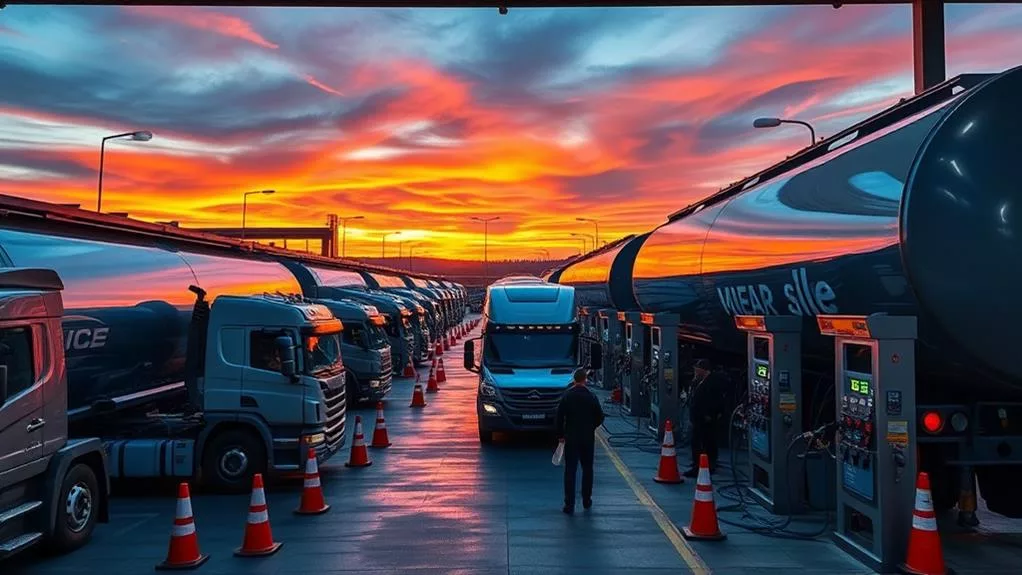
Proper handling methods are essential for the safe operation of fuel tankers, ensuring the protection of both personnel and the environment. Safe fuel handling begins with the implementation of grounding systems to prevent static electricity buildup, a common risk during fuel transfer. Adhering to established safety standards, such as those outlined by the NFPA, significantly reduces the risk of accidents. These standards align with guidelines from regulatory bodies, ensuring a coordinated approach to safety.
Regular training for tanker drivers is vital for safe fuel handling. Detailed instruction on safety protocols, equipment operation, and emergency response equips staff with the skills needed to respond promptly in emergencies. Emergency response plans, including evacuation procedures and communication protocols, further strengthen these protective measures.
Additionally, maintaining proper ventilation systems and conducting routine equipment checks are crucial for safe handling practices. These actions, combined with strict operational controls, mitigate potential risks associated with fuel transfer. Prioritising these procedures cultivates a safety-conscious community dedicated to safeguarding individuals and the environment.
Environmental Protection Measures
In the realm of environmental protection measures for fuel tankers, the use of advanced technology is crucial in reducing ecological impacts. Closed off-loading systems are pivotal in capturing vapour and preventing atmospheric release, supporting robust vapour recovery efforts. This technology aligns with the Environmental Protection Agency's regulations, aiming to prevent the harmful effects of fuel spills.
Spill containment systems are vital during transportation. Engineered foot valves fitted on tank trucks demonstrate the industry's dedication to safety and environmental preservation. These valves effectively reduce spill risks in accidents, underpinning the industry's spill prevention methodologies. Compliance with EPA regulations necessitates such measures, focusing on containment to prevent environmental harm.
The fuel tanker sector exemplifies environmental responsibility through the adoption of these protective strategies. Emphasising these measures not only ensures adherence to regulatory requirements but also advances the goal of a sustainable future.
Driver Training and Skill Development
Ensuring the safe and efficient operation of fuel tankers relies on the expertise of highly skilled drivers. In the hazardous cargo industry, driver training and skill development are essential for upholding safety standards. Drivers are not merely operators; they are the guardians of safety measures, ensuring each journey is conducted with the utmost care. Continuous training programmes equip drivers with the knowledge to manage challenges specific to fuel transportation.
Key elements of driver training include mastering proper grounding techniques, vital for preventing sparks and static electricity buildup, thereby reducing accident risks. Understanding electronic stability control systems is crucial for maintaining vehicle control and preventing rollovers, especially when navigating challenging terrains or executing abrupt manoeuvres.
Training also encompasses off-loading systems and spill containment protection, ensuring drivers are well-prepared to manage potential hazards during fuel transfer.
The commitment to ongoing training and skill development fosters a sense of belonging within the industry. Drivers become part of a community that prioritises safety and professionalism. This collective dedication not only enhances individual capabilities but also strengthens the industry's reputation for safely transporting hazardous materials.
Advanced Safety Technologies
Advanced safety technologies revolutionise fuel tanker operations through innovative solutions that enhance safety and efficiency. In the hazardous cargo sector, electronic stability control systems (ESC systems) are vital. These systems minimise the risk of rollovers, offering improved driver control and stability, essential for the secure transportation of fuel.
Technological progress includes manlids with roll-over devices and vapour recovery systems, significantly reducing risks tied to fuel spillage and emissions during transit.
Manufacturers such as Civacon, Emco Wheaton, and Girard Equipment provide safety solutions in line with DOT 406 regulations. These regulations ensure all components, including valves, adhere to stringent safety standards. Valves are designed to detach during accidents, securing the liquid cargo and preventing leaks. Embracing these technologies positions stakeholders in the hazardous cargo sector within a community committed to best practices and safety.
Continuous advancements in safety technologies not only prevent accidents but cultivate a culture of safety and responsibility. Staying informed and compliant allows industry professionals to contribute to a safer environment for everyone involved.