In the realm of energy and transportation, diesel has long been a prominent player, providing power and mobility to various sectors. However, the future of diesel in South Africa is currently a subject of considerable interest and speculation.
This article aims to explore the potential directions that diesel may take in the coming years, considering advancements in engine efficiency, the rise of renewable diesel alternatives, government initiatives to reduce emissions, investment in research and development, the integration of diesel with renewable energy sources, and the role of diesel in the industrial and transportation sectors.
By examining these factors, we can gain a deeper understanding of the trajectory of diesel in South Africa and its implications for the country’s energy landscape. In doing so, we hope to provide an objective, analytical, and informed perspective on the future of diesel in South Africa, appealing to an audience that seeks to belong to the discourse surrounding this topic.
Key Takeaways
- Diesel integration with renewables in South Africa has the potential to create a sustainable and efficient energy system.
- Balancing energy consumption and environmental concerns is necessary when considering the role of diesel in South Africa’s industrial and transportation sectors.
- Addressing diesel’s negative impact on air pollution and respiratory health is crucial for a healthier and cleaner future.
- The future energy system in South Africa should prioritize sustainable solutions and include the careful integration of diesel with renewables.
Advancements in Engine Efficiency
The improvement in engine efficiency holds promise for the future of diesel in South Africa, as it allows for greater fuel economy and reduced emissions.
Advancements in fuel injection systems, turbochargers, and combustion control technologies have significantly enhanced the efficiency of diesel engines. These improvements have resulted in reduced fuel consumption and lower emissions of greenhouse gases and pollutants.
Engine downsizing, which involves reducing the size of the engine without compromising power output, has also contributed to improved fuel economy. Smaller engines require less fuel to operate, resulting in increased efficiency.
However, it is important to note that the impact of engine size on efficiency is not uniform across all vehicle types. Factors such as weight, aerodynamics, and driving conditions also play a role in determining fuel economy.
Nonetheless, the continuous advancements in engine efficiency are expected to have a positive impact on the future of diesel in South Africa.
Rise of Renewable Diesel Alternatives
Amidst growing concerns about environmental sustainability, the emergence of renewable diesel alternatives has become a prominent topic of discussion in the energy sector.
With advancements in biodiesel technology, renewable diesel options are gaining traction as a potential solution to reduce greenhouse gas emissions and dependence on fossil fuels. Renewable diesel is produced from non-petroleum feedstocks such as vegetable oils, animal fats, and waste fats, making it a more sustainable and environmentally friendly option compared to traditional diesel.
Additionally, the rise of electric vehicles has also contributed to the demand for renewable diesel alternatives as a complementary energy source. As electric vehicles continue to gain popularity, renewable diesel can serve as a transitional fuel until electric infrastructure and technology become more widespread.
This shift towards renewable diesel alternatives highlights the industry’s commitment to a greener and more sustainable future.
Government Initiatives to Reduce Emissions
Government initiatives aimed at reducing emissions have played a crucial role in mitigating the environmental impact of the energy sector. In South Africa, the government has implemented a series of regulations and policies to curb emissions from diesel vehicles and promote cleaner alternatives. These initiatives have had a significant impact on public health by reducing air pollution and improving air quality.
- Implementation of emission standards: The government has enforced strict emission standards for diesel vehicles, mandating the use of advanced emission control technologies to reduce harmful pollutants.
- Promotion of electric vehicles: The government has incentivized the adoption of electric vehicles through tax breaks and subsidies, encouraging a shift towards cleaner transportation options.
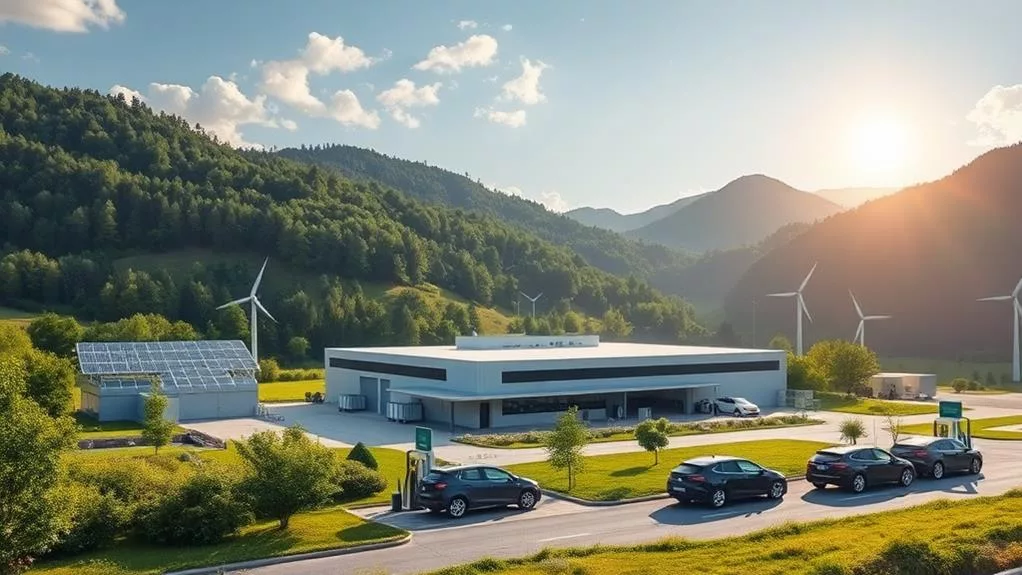
- Investment in renewable energy: The government has invested in renewable energy projects, such as solar and wind power, to reduce reliance on fossil fuels and decrease emissions from the energy sector.
- Support for research and development: The government has provided funding and support for research and development of cleaner technologies, encouraging innovation in the energy sector and driving the transition towards a greener future.
Investment in Research and Development
This paragraph will discuss the importance of investment in research and development in the context of diesel technologies.
The development of innovative diesel technologies is crucial in order to reduce emissions and improve efficiency.
Collaboration between industry and academia plays a vital role in achieving these goals as it allows for the sharing of knowledge and resources, leading to advancements in diesel technology.
Development of innovative diesel technologies
The development of innovative diesel technologies is an ongoing process that aims to improve the efficiency and reduce the environmental impact of diesel engines. For instance, according to a recent study by the International Council on Clean Transportation, the adoption of advanced diesel technologies could potentially reduce nitrogen oxide emissions by up to 90%. This is achieved through the implementation of innovative fuel solutions and the use of advanced emission control technologies. These technologies include selective catalytic reduction (SCR) systems, diesel particulate filters (DPF), and improved engine combustion processes. The table below provides a comparison of the environmental impact and efficiency of traditional diesel engines versus diesel engines equipped with these innovative technologies.
| Diesel Technology | Environmental Impact | Efficiency |
|---|---|---|
| Traditional Diesel | High | Moderate |
| Advanced Diesel | Low | High |
By investing in the development of these innovative diesel technologies, South Africa can not only reduce its environmental footprint but also ensure a more sustainable and efficient future for the diesel industry.
Collaboration between industry and academia to improve diesel efficiency
Collaboration between industry and academia fosters the potential for enhancing diesel efficiency through the exchange of knowledge, expertise, and resources.
The industry academia partnership plays a crucial role in promoting research on diesel efficiency. By working together, industry and academia can leverage their respective strengths to address the challenges and opportunities in this field.
Industry brings practical experience, access to cutting-edge technologies, and a deep understanding of market demands. Academia contributes scientific rigor, research capabilities, and access to a diverse pool of talent.
This collaboration enables the development of innovative solutions, such as advanced engine designs, optimized fuel formulations, and improved emission control systems. Furthermore, it allows for the testing and validation of these technologies in real-world conditions.
By pooling their resources and expertise, industry and academia can drive the future of diesel efficiency research, leading to more sustainable and efficient diesel engines.
Integration of Diesel with Renewable Energy Sources
Integration of diesel with renewable energy sources has been a subject of extensive research and study, aiming to ascertain the viability and efficiency of this approach. The integration of renewable energy into diesel systems holds promise for improving fuel sustainability and reducing greenhouse gas emissions. By combining diesel with renewable energy sources such as solar, wind, or biomass, it is possible to reduce the reliance on fossil fuels and transition towards a more sustainable energy future. This integration can also enhance the overall efficiency of diesel systems, resulting in reduced fuel consumption and lower operating costs. However, challenges related to infrastructure, technology compatibility, and cost-effectiveness need to be addressed for widespread adoption. Table 1 provides an overview of the advantages and challenges associated with integrating diesel with renewable energy sources.
| Advantages | Challenges |
|---|---|
| Reduction in greenhouse gas emissions | Infrastructure requirements |
| Diversification of energy sources | Technology compatibility |
| Increased fuel sustainability | Cost-effectiveness |
| Enhanced system efficiency | Limited availability of renewable sources |
| Potential for lower operating costs | Regulatory and policy barriers |
In conclusion, the integration of diesel with renewable energy sources offers significant potential for a more sustainable and efficient energy system. However, further research, development, and policy support are necessary to overcome the challenges and promote widespread adoption in South Africa.
Role of Diesel in Industrial and Transportation Sectors
The integration of diesel with renewable energy sources has been discussed as a potential solution to reduce carbon emissions and mitigate climate change. However, it is important to also consider the role of diesel in the industrial and transportation sectors, as it continues to play a significant role in global energy consumption.
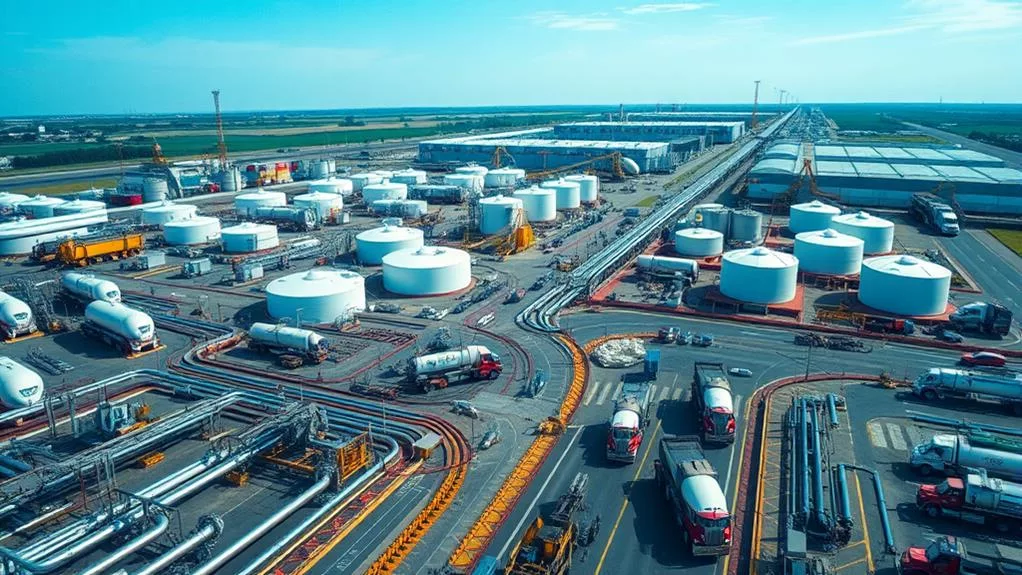
Diesel fuels are widely used in heavy-duty vehicles, such as trucks and buses, as well as in industrial machinery and equipment. While diesel engines are known for their efficiency and power, they also have a negative impact on air pollution. Diesel emissions contain particulate matter, nitrogen oxides, and other pollutants that contribute to poor air quality and respiratory issues.
Therefore, it is crucial to find a balance between the benefits of diesel in terms of energy consumption and its detrimental effects on the environment.
Frequently Asked Questions
How does the future of diesel in South Africa impact the average consumer and their daily lives?
The future of diesel in South Africa, particularly its consumption and environmental impact, has significant implications for the average consumer and their daily lives. The potential changes in diesel usage and its environmental consequences can alter the affordability, availability, and sustainability of transportation and energy options, influencing the everyday activities and choices of individuals in South Africa.
What are the potential drawbacks or challenges associated with the advancements in engine efficiency in diesel vehicles?
The advancements in engine efficiency in diesel vehicles have brought several potential drawbacks and challenges. These include increased costs of technology, concerns about emissions, and the need for infrastructure development to support the new technologies.
Are there any specific government incentives or subsidies in place to encourage the adoption of renewable diesel alternatives in South Africa?
There are currently no specific government incentives or subsidies in place in South Africa to encourage the adoption of renewable diesel alternatives. This lack of support may hinder the widespread adoption of such alternatives in the country.
What are some of the key areas of research and development that the diesel industry in South Africa is currently focusing on?
What research areas are currently being focused on by the diesel industry in South Africa? What are the key areas of development focus? The industry is currently focusing on advancements in fuel efficiency, emission reduction technologies, alternative fuels, and engine design improvements.
How is the integration of diesel with renewable energy sources expected to affect the overall energy landscape in South Africa?
The integration of diesel with renewable energy sources is expected to have a significant impact on the overall energy landscape in South Africa. This integration will likely lead to a reduction in greenhouse gas emissions and a more sustainable and diversified energy mix.
Looking to enhance your operations with reliable energy solutions? Explore our specialised services: from Bulk Diesel Distribution and Fuel Management Services to On-Site Refuelling in Vryheid and Truck Stop Services. Request a Quote or Join Our Energy Network today for tailored solutions that keep your business moving!