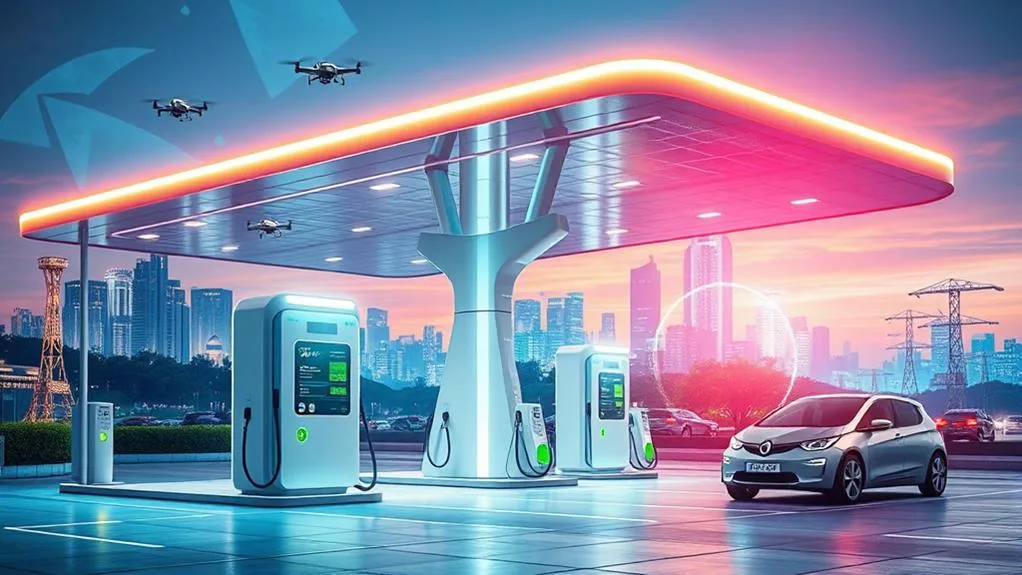
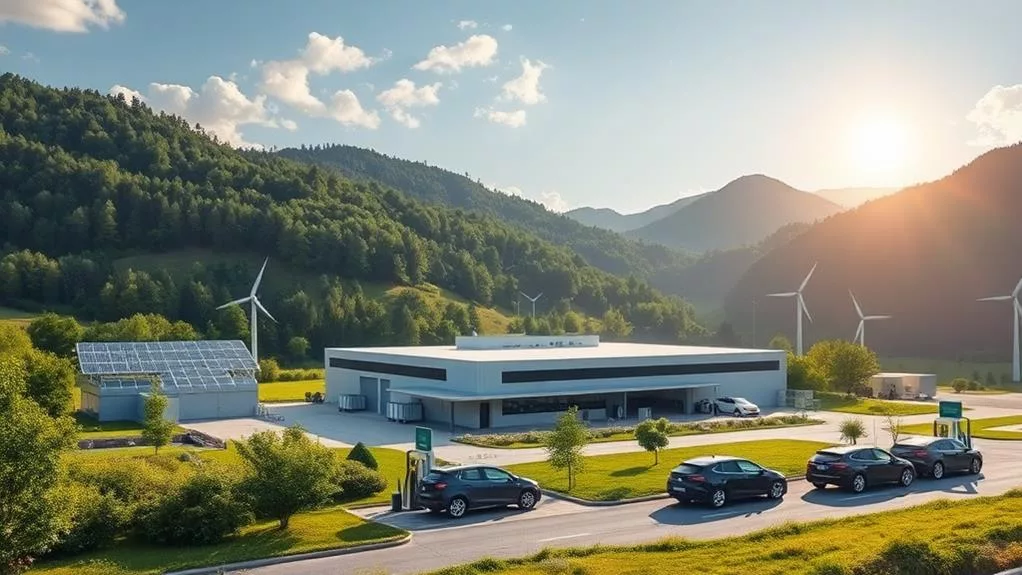
Future trends in agricultural fuel supply are increasingly concentrated on sustainable and efficient practices. The rise of biofuels derived from organic materials, such as crops and agricultural residues, is crucial for reducing greenhouse gas emissions. Solar and wind energy are becoming complementary forces in decreasing reliance on fossil fuels. Innovations in precision agriculture and advanced machinery design enhance fuel efficiency, while decentralised energy production supports farm resilience and self-sufficiency.
Emerging energy storage technologies, including lithium-ion and hydrogen systems, promise optimised power usage and grid integration. These advancements significantly contribute to shaping a greener future for agriculture.
Rise of Biofuels
Emerging as a crucial player in the quest for sustainable energy, biofuels signify a significant shift away from traditional fossil fuels. Derived from organic materials such as crops, agricultural residues, and algae, biofuels provide a renewable energy source that serves as a sustainable alternative and aids in reducing greenhouse gas emissions. With energy security a pressing global issue, the adoption of biofuels like ethanol and biodiesel is increasing. Countries including the United States, Brazil, and Germany lead in production and consumption, setting benchmarks that demonstrate the potential of biofuels to transform energy landscapes.
Biofuels' rise is driven by a combination of factors, notably government policies promoting cleaner energy and technological advancements enhancing production efficiency and cost-effectiveness. As environmental concerns grow, the biofuel industry is expected to undergo substantial expansion. This trend reflects a broader acceptance and integration of biofuels within the energy sector, marking progress towards a more sustainable future.
Aligning agricultural practices with energy production highlights the communal effort needed to tackle climate change, fostering a sense of unity among stakeholders dedicated to environmental stewardship.
Renewable Energy Options
Embracing renewable energy options is increasingly essential for modern agriculture. Solar power, wind energy, and biofuels offer diverse opportunities to improve sustainability. These energy sources not only help reduce environmental impact but also address fuel costs, which weigh heavily on agricultural operations.
Solar power is a particularly popular choice, with companies like Sundrop Farms demonstrating its potential to transform energy production in agriculture. Harnessing the sun's energy, farms can supply a significant portion of their energy requirements, promoting a more sustainable future.
Wind energy also holds promise for the agricultural sector as a renewable source, complementing efforts to reduce reliance on fossil fuels.
Biofuels, derived from organic materials, present another avenue for sustainable energy, supporting on-farm processing that enables farmers to capture more of the value chain. Smithfield Foods exemplifies this trend, converting hog manure into renewable natural gas, showcasing innovative energy solutions in agriculture.
Investing in renewable energy sources equips agricultural businesses with tools to navigate the complexities of modern farming. Integrating these solutions fosters a sense of unity and shared purpose within the agricultural community, driving progress towards a more sustainable and durable future.
Advancements in Fuel Efficiency
How can the agricultural sector reduce its carbon footprint while maintaining productivity? Advances in fuel efficiency through innovative technologies and practices provide a solution. Precision agriculture utilises GPS technology, drones, and IoT devices to optimise field operations. These technologies minimise unnecessary fuel consumption, leading to significant fuel savings, sometimes up to 25%.
Integrating precision agriculture solutions allows farmers to enhance productivity and promote a community focused on environmental stewardship.
Improved machinery design and engine technology also enhance fuel efficiency. Modern agricultural equipment is engineered for optimal performance with reduced fuel consumption, helping farmers achieve more with less. This aligns with the sector's goal of reducing environmental impact without compromising output.
For example, the John Deere 8R Series tractors offer advanced fuel efficiency with reduced emissions, a practical choice for eco-conscious farmers.
Transitioning to alternative fuels and renewable energy sources is crucial. Sustainable energy solutions can significantly cut carbon emissions. The agricultural community's adoption of these advancements underscores its commitment to preserving the environment for future generations.
Embracing these technologies fosters a collective effort towards sustainability, reinforcing the sector's role in global environmental conservation.
Innovations in Energy Storage
Innovations in energy storage are transforming agriculture, enhancing the ability to store and use renewable energy effectively on farms. This evolution not only strengthens agricultural operations but also fosters a connection to a more sustainable future. Cutting-edge battery technologies, such as lithium-ion batteries, are at the forefront of this change, enabling farms to optimise power usage and lessen dependency on the grid. These advancements are crucial as agriculture increasingly integrates renewable energy sources like solar and wind power.
Flow batteries and hydrogen storage systems offer promising solutions for sustainable energy storage. These technologies provide potential benefits in terms of both strength and efficiency, tailored to meet the unique needs of agricultural settings. Adopting these modern energy storage solutions ensures farms have a continuous and reliable energy supply, vital for maintaining productivity and sustainability.
The focus on advanced energy storage solutions within agriculture signals a collective shift towards more effective and robust farming practices. As technologies advance, they promise to unlock new possibilities for renewable energy utilisation, contributing to a more sustainable and prosperous agricultural environment.
Smart Grid Systems
Smart grid systems represent significant progress in the agricultural sector. They integrate advanced technologies such as IoT, sensors, and automation to optimise energy usage and distribution. These systems are changing the way energy is consumed and managed on farms, allowing real-time monitoring that empowers farmers to make data-informed decisions. Understanding and controlling energy consumption enables agricultural operations to reach unparalleled levels of operational efficiency.
Renewable energy sources like solar panels and wind turbines are incorporated into smart grid systems, contributing to sustainability by reducing reliance on traditional fuel supplies. This shift supports a more environmentally friendly approach and aligns with the values and goals of communities dedicated to sustainable agriculture.
The resilience of the grid is notably enhanced through smart grid technology, minimising power outages and ensuring a stable energy supply crucial for continuous agricultural operations.
This transformative method results in considerable cost savings and a reduced environmental impact, emphasising the importance of efficient energy management. Embracing smart grid systems allows the agricultural sector to address future challenges with confidence, fostering a sense of community among those committed to advancing sustainable practices and ensuring the longevity of agricultural productivity.
Decentralized Energy Generation
Decentralised energy production is transforming the agricultural sector, allowing farms to generate their own power on-site. Harnessing renewable sources such as solar panels, wind turbines, and biomass, farms become more sustainable and self-reliant. This transition significantly reduces reliance on centralised power sources, fostering community resilience and shared responsibility among agricultural stakeholders. As the agriculture sector faces challenges related to energy demands and environmental issues, decentralised systems offer a promising pathway.
Integrating smart grids and energy storage technologies enhances the efficiency and reliability of on-site generation. These advancements optimise energy use and provide crucial support during power outages, ensuring agricultural operations continue without interruption. Embracing decentralised energy production enables farms to achieve greater energy efficiency. Agricultural infrastructure becomes more robust and resilient.
The industry is undergoing a transition towards sustainable practices, and decentralised energy production is a crucial component. It has the potential to transform farms into self-reliant entities, demonstrating a commitment to sustainability and community. This empowers agricultural practitioners to be part of a broader movement towards a greener future.
Eco-Friendly Fuel Solutions
Decentralised energy generation allows farms to become more self-sufficient. The agricultural sector is embracing eco-friendly fuel options to advance its commitment to sustainability. This initiative is crucial for reducing carbon emissions and promoting sustainable agriculture. Biofuels, derived from agricultural waste such as corn stover and sugarcane bagasse, lead the way as environmentally friendly alternatives that repurpose waste into valuable energy sources. These creative approaches not only reduce waste but also make a significant contribution to a green future.
Biogas production is gaining momentum. Converting animal manure into biogas enables farms to tap into renewable energy that aligns perfectly with sustainable agriculture goals. This process cuts down on methane emissions, thereby reducing the overall carbon footprint of agricultural operations.
Integration of renewable energy sources like solar power and wind turbines is transforming how farms manage their energy needs, providing a cleaner, more sustainable path forward.
Looking towards the future of agricultural fuel supply, these eco-friendly fuel options stand at the forefront of inventive solutions. They offer a compelling vision for a sustainable and inclusive energy landscape, fostering a sense of belonging and shared responsibility for our planet.