A local fuel distribution network significantly influences business operations by enhancing operational efficiency, reducing costs, and improving customer service. It ensures faster delivery times, which minimises downtime and enables smooth operations.
Shorter transportation distances and effective inventory management contribute to lower expenses and better supply chain efficiency. Businesses can tailor fuel solutions to meet specific needs, providing flexibility in delivery schedules and options. Additionally, local networks support sustainability and environmental goals through reduced carbon emissions.
Offering reliable and personalised services, local networks increase customer satisfaction and loyalty. They help businesses strengthen their competitive edge and bolster their reputation in the market.
Faster Fuel Delivery
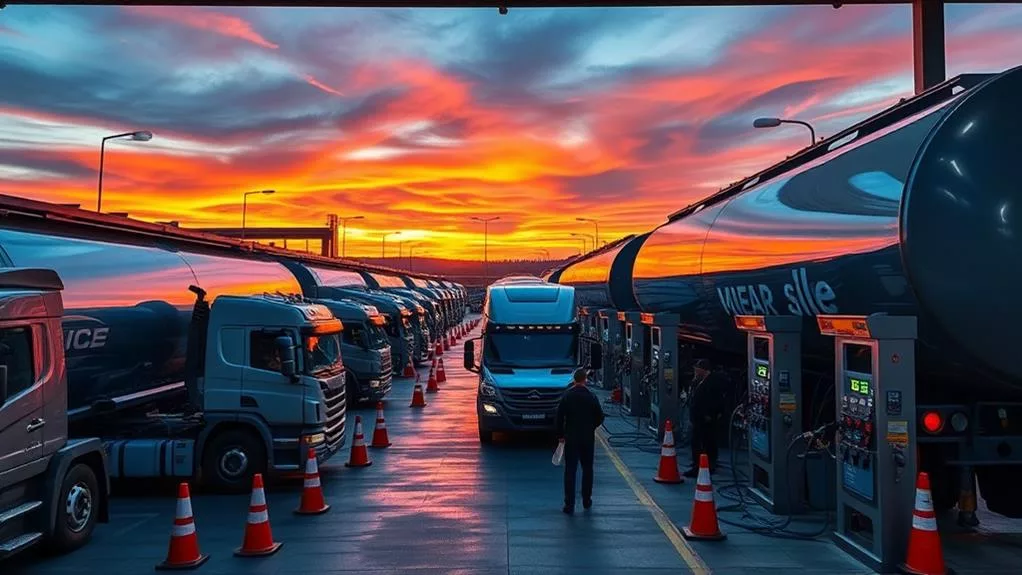
Local fuel distribution networks have a strategic advantage due to their proximity, significantly speeding up fuel delivery times. They often achieve same-day or next-day service, which is crucial for maintaining a reliable fuel supply. Businesses rely on timely access to resources to keep operations running smoothly. Efficient logistics enable local networks to ensure fuel reaches its destination swiftly, reducing the risk of operational downtime and enhancing productivity.
The geographic closeness of these networks enables a prompt response to fuel orders, meeting urgent business needs with minimal delay. This immediacy minimises the potential for disruptions that can arise from fuel shortages, safeguarding the continuity of daily operations.
For businesses, reduced downtime directly correlates with increased productivity, allowing them to maintain momentum without unexpected halts.
Local fuel distribution networks coordinate deliveries with precision, fostering an environment of trust and reliability. Efficient logistics guarantee fuel deliveries that are not only faster but also consistently dependable. Businesses can focus on their core activities, confident that their fuel supply will not limit their success.
Enhanced Customer Service
Enhancing customer service, local fuel distribution networks offer faster response times for deliveries, cultivating stronger connections with clients through personalised and reliable service. Catering to the unique needs of their community, these networks enrich the customer experience, fostering a sense of belonging that resonates with businesses reliant on timely fuel delivery. Local fuel delivery minimises downtime and ensures smooth customer operations, significantly contributing to customer satisfaction.
Fuel distribution networks prioritise flexibility, allowing businesses to benefit from tailored scheduling options that align with specific requirements. This adaptability maintains high levels of customer satisfaction, demonstrating a commitment to understanding and meeting individual needs. Personalised services distinguish local networks from larger, more impersonal providers.
Efficient services are a hallmark of these networks, which often prioritise customer service. This approach leads to higher retention rates and generates positive word-of-mouth referrals.
A customer-centric approach not only strengthens existing relationships but also attracts new clients who value the reliability and personalisation offered by local fuel delivery. Businesses can thrive within a community-oriented ecosystem where trust and satisfaction are paramount.
Supply Chain Efficiency
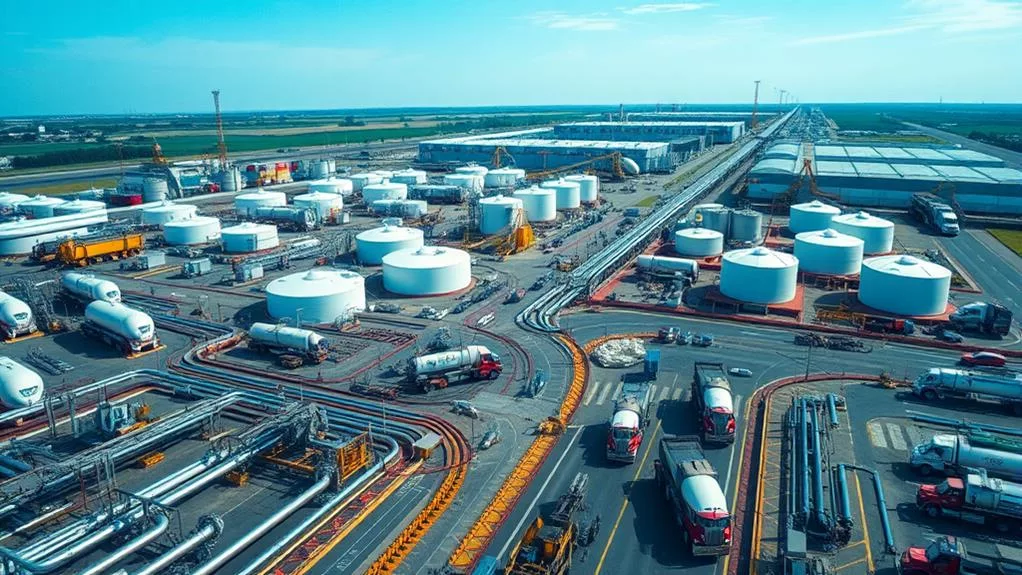
Effective supply chain management optimises the performance of local fuel distribution networks. Shorter transportation distances lower costs and enhance supply chain efficiency. This results in quicker delivery and reduced lead times, ensuring timely and consistent fuel availability for businesses. Operations become more reliable, fostering a sense of security among businesses relying on these networks.
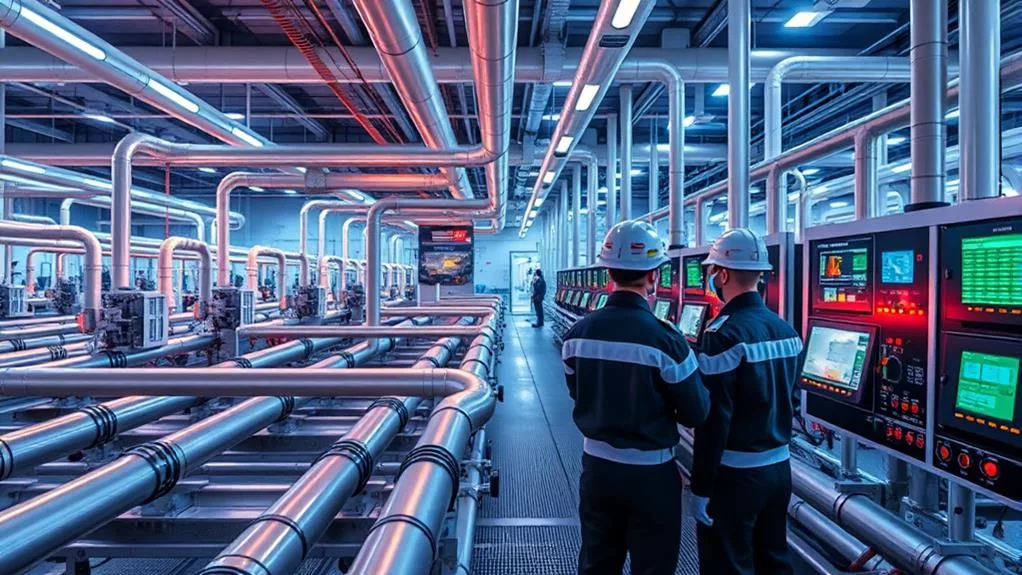
Inventory management is another crucial area where local fuel distribution networks excel. Optimising fuel stock levels and preventing stockouts helps businesses maintain seamless operations, free from unexpected shortages. Strategic inventory management within a local network ensures efficient use of fuel resources, minimising waste and maximising operational stability.
Sustainability offers a significant advantage. Reducing carbon emissions associated with long-distance transportation, local fuel distribution networks support environmental goals. This commitment aligns with community values and broader societal objectives. The strategic advantages of supply chain efficiency within local networks create a connected, reliable, and sustainable business environment.
Cost Management Benefits
Local fuel distribution networks enhance supply chain efficiency and offer significant cost management advantages. Businesses focused on maintaining economic viability benefit from reducing transportation expenses and securing bulk purchasing discounts. Engaging with local fuel suppliers allows businesses to acquire fuel in bulk at more affordable rates than standard retail, resulting in reduced operational costs and improved financial health. For instance, a business might negotiate with a local supplier for a consistent supply of diesel at a negotiated rate in South African Rand.
Accurate budgeting and expense forecasting present another advantage of local fuel distribution. Reliable local suppliers enable businesses to manage fuel costs efficiently. This reliability ensures precise demand forecasting, adaptable to changing circumstances, giving businesses a competitive edge in planning and resource allocation.
A logistics company, for example, could benefit from predictable fuel costs, aligning its strategic plans with anticipated fuel needs.
Access to a local fuel distribution network supports seamless operations and fosters community integration. Collaborating with local suppliers helps businesses establish strong partnerships, ensuring a consistent and cost-effective fuel supply that aligns with strategic goals. For instance, a manufacturing firm could partner with a local biodiesel supplier to support sustainability initiatives while maintaining operational efficiency.
Tailored Fuel Solutions
Customisation is central to a local fuel distribution network's ability to deliver personalised fuel solutions. Understanding the distinct needs of each business allows local distributors to offer tailored services that cater to specific industry requirements. These services include the provision of various fuel types, flexible delivery timetables, and volume preferences, enabling businesses to optimise fuel usage efficiently. Such bespoke solutions ensure that businesses maintain effective fuel management, allowing them to concentrate on their core operations without the distraction of fuel-related issues.
Local distributors also frequently provide on-site storage solutions, enhancing both convenience and operational efficiency. On-site storage negates the need for regular refuelling trips, reducing downtime and boosting productivity. This is particularly advantageous for industries reliant on an uninterrupted fuel supply, such as transportation, construction, and agriculture.
For instance, a construction firm might benefit from using diesel with additives to increase engine efficiency, while a farm might prefer a premium biodiesel for its machinery, all available from local distributors.
Environmental and Safety Advantages
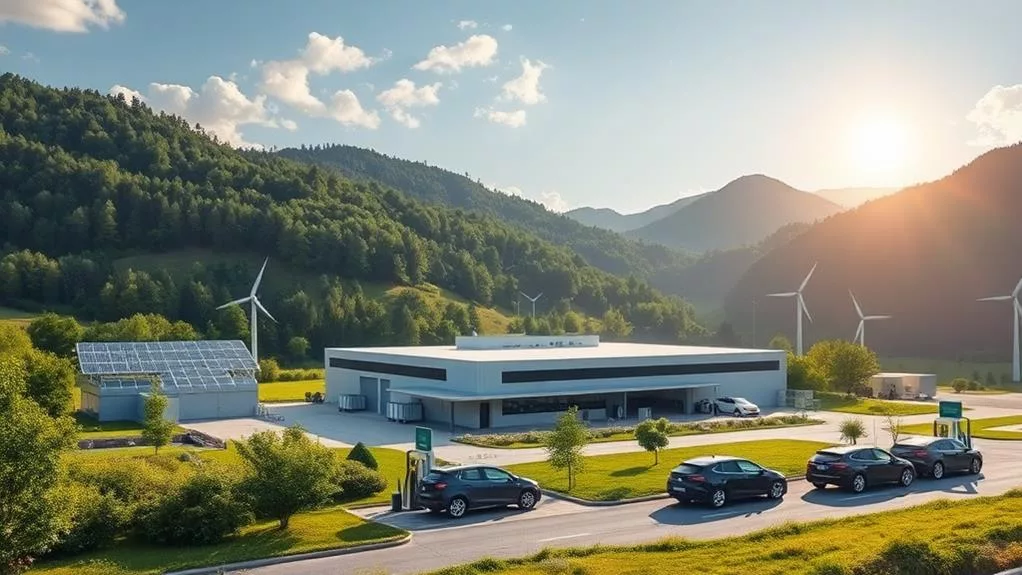
Local fuel distribution networks present notable environmental and safety advantages, mainly due to reduced carbon emissions from shorter transportation distances. Placing fuel storage facilities near consumers helps to diminish the need for long-distance transport, thereby reducing the carbon footprint. This localised strategy ensures that advanced technologies and monitoring systems can be more effectively employed to optimise fuel usage, minimising waste and encouraging sustainable practices.
Safety risks associated with moving large quantities of fuel over extensive distances are significantly lessened. Local fuel storage and handling result in fewer chances for accidents, spills, or leaks, safeguarding the environment and community health. Meeting stringent environmental regulations becomes more feasible with a focused and localised supply chain, ensuring communities feel secure and valued.
Optimising fuel delivery routes within local networks enhances efficiency and contributes to a cleaner, safer environment for residents. Advanced technologies used in planning and executing these deliveries ensure precision and reliability. Communities benefit from a coherent system that prioritises environmental integrity and public safety, fostering a sense of belonging and shared responsibility.