Reducing fuel costs for fleets requires a comprehensive approach that includes regular vehicle maintenance to ensure optimal performance, such as maintaining proper tyre inflation and checking oxygen sensors. Implementing GPS fleet management software aids in route optimisation and real-time tracking, significantly reducing fuel consumption. Monitoring driver behaviour with systems like TomTom Telematics diminishes aggressive driving and encourages fuel-saving habits.
Fuel cards provide discounts and financial control, while transitioning to electric vehicles and making aerodynamic improvements offer long-term savings. Integrating these strategies not only enhances operational efficiency but also positions businesses favourably in terms of sustainability and cost reduction, offering numerous benefits.
Vehicle Maintenance Practices
Implementing effective vehicle maintenance practices is crucial for reducing fuel costs in fleet operations. Ensuring proper tyre inflation can significantly improve fuel economy, boosting efficiency up to 3% and extending tyre lifespan by approximately 7,500 kilometres. This simple yet vital practice contributes to cost savings and reinforces the importance of regular vehicle maintenance in fleet management.
Maintaining oxygen sensors is essential. A well-functioning oxygen sensor can notably enhance fuel economy up to 40%, while preventing engine misfires and high emissions, safeguarding both vehicle performance and environmental standards.
Optimal maintenance extends beyond these practices. It involves a thorough approach comprising routine check-ups and repairs, which can reduce fuel costs up to 5% and prevent expensive repairs due to neglect. Analysing fuel data is a powerful tool in this context. It aids in route optimisation and idle time reduction, providing insights that improve vehicle performance and longevity, ensuring fleets run smoothly and economically.
Prioritising these maintenance strategies allows fleet managers to create an environment fostering efficiency, reliability, and community, aligning with the shared goal of sustainable fleet operations.
Route Optimization Techniques
Effective vehicle maintenance lays the groundwork for reducing fuel costs in fleet operations, but route optimisation is equally vital. It enhances fuel efficiency, reducing unnecessary idling and avoiding traffic congestion. GPS fleet management software offers advanced features such as real-time tracking and efficient route planning. This ensures vehicles follow the most fuel-efficient paths, leading to considerable fuel savings.
Efficient route planning maximises fleet productivity while cutting down on fuel expenses. Analysing traffic patterns and potential roadblocks, GPS fleet management software crafts optimal routes that shorten travel time and minimise fuel use.
Real-time tracking allows for swift responses to road changes, keeping drivers on the most efficient paths.
These strategies foster a sense of unity among fleet operators, contributing to a more sustainable and economical operation. Implementing route optimisation not only boosts operational efficiency but also strengthens the commitment to reducing environmental impact and costs.
Using software like TomTom Telematics or Fleet Complete can further refine route efficiency. They provide comprehensive solutions for tracking and planning, ensuring that fleet operations remain both cost-effective and environmentally friendly.
Driver Behavior Management
Managing driver behaviour is vital for reducing fuel costs in fleet operations. Monitoring driver actions can significantly impact fuel savings by identifying and addressing aggressive driving habits, which often lead to higher fuel consumption. Implementing driver scorecards allows fleet managers to detect trends like speeding and aggressive driving, offering opportunities for effective driver training. Such training is essential in fostering fuel-saving behaviours and promoting road safety.
Tailored driver training programmes are crucial for nurturing a culture of efficiency within fleets. Addressing aggressive driving through consistent monitoring enables reduced fuel costs and improved operational efficiency. Recognising and rewarding drivers who demonstrate safe and efficient driving, based on data-driven performance metrics, further reinforces these positive behaviours.
Driver behaviour management encompasses more than just monitoring fuel consumption. It creates an environment where drivers feel valued and part of a cohesive team working towards a shared goal. Embracing this approach greatly enhances fuel efficiency while fostering a sense of belonging among drivers, nurturing a community committed to sustainable and responsible driving.
Fleet managers may consider using GPS tracking systems like TomTom Telematics or Samsara to monitor driving patterns and provide real-time feedback. These systems can help in identifying areas for improvement and ensuring drivers adhere to best practices. Additionally, using fuel-efficient tyres, such as those from Michelin's Energy Saver range, can contribute to overall fuel savings.
Fuel Card Utilization
Fuel card utilisation effectively manages and reduces fuel costs for fleet operations. Offering discounts at participating petrol stations, fuel cards allow fleet managers to achieve substantial savings on fuel expenses. These savings empower businesses to allocate funds more efficiently and foster a sense of camaraderie among fleet operators focused on reducing operational costs.
Fuel cards simplify expense management with detailed analytics and reports on fuel purchases. This data-driven method streamlines administrative tasks, cutting down on time and paperwork traditionally required for managing expenses. Fleet managers can efficiently track and monitor fleet purchases, ensuring transparency and accuracy in financial reporting.
Implementing spending caps with fuel cards adds another layer of control over fuel expenses. Setting predetermined limits enables fleet managers to manage budgets effectively, preventing overspending and promoting financial discipline. This proactive measure supports a coherent strategy that aligns with the collective objective of maintaining cost-effective fleet operations.
Embracing fuel card usage not only enhances operational efficiency but also strengthens the sense of belonging within the fleet community. Shared experiences and strategies contribute to mutual success, positioning fleets to excel in a competitive landscape.
Technology Integration
Technology integration is crucial in contemporary fleet management, providing benefits such as real-time tracking of fuel consumption and driver behaviour. This integration is essential for organisations aiming to enhance fleet operations and promote unity and efficiency within their teams. Utilising GPS tracking and advanced telematics systems, fleet managers gain unmatched transparency and control over fuel expenses. These systems generate automated alerts and analytics, supporting data-driven decisions vital for reducing fuel costs.
Integrated technology, including fuel management systems, enables managers to effectively oversee fuel usage. Route optimisation software ensures vehicles follow the most efficient paths, reducing unnecessary fuel consumption and streamlining operations. Telematics systems significantly encourage safe driving habits, sending reminders to drivers to avoid aggressive behaviour, which results in fuel savings.
For fleets striving to build an efficient and effective team, adopting these technological advancements is essential. Strategic implementation of tools such as the TomTom WEBFLEET telematics system can lead to improved fuel efficiency, cost reduction, and enhanced fleet operations, fostering a sense of belonging and shared success among team members.
Alternative Fuel Options
Considering alternative fuel options offers a significant opportunity for fleets to achieve both economic and environmental advantages. Biodiesel is a sustainable fuel made from animal fats, recycled cooking grease, and vegetable oils. It assists fleets in meeting emissions regulations while providing cost savings and reducing dependency on traditional fossil fuels. As a sustainable option, biodiesel aligns with environmental goals and supports the industry's financial targets over the long term.
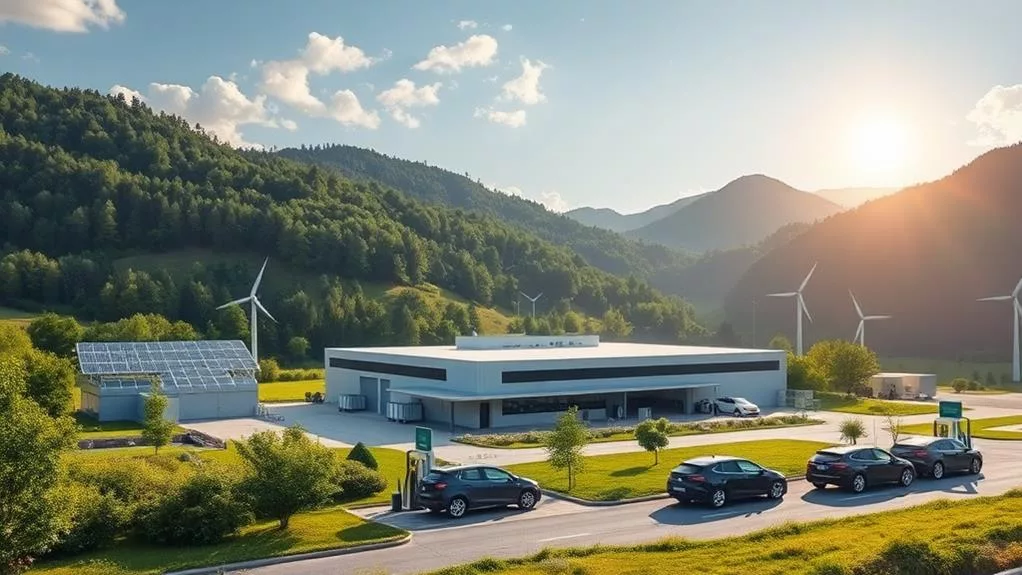
Electric vehicles (EVs) present another viable alternative, offering high fuel efficiency and considerably lower fuel expenses compared to diesel or petrol vehicles. Government incentives enhance the transition to EVs, significantly lowering the purchase price of EV lorries, thus making them a cost-effective choice for fleet operators. For instance, the Nissan e-NV200 is a popular electric van with impressive efficiency.
These incentives, combined with the superior efficiency of electric vehicles, contribute to substantial long-term savings, emphasising the financial viability of adopting alternative fuel options.
Aerodynamic Enhancements
Aerodynamic enhancements are crucial in reducing wind resistance and improving fuel efficiency for fleet vehicles. Implementing upgrades like chassis fairings and TruckWings can substantially decrease wind drag, resulting in improved fuel economy.
TruckWings, for instance, automatically activate at speeds over 52 mph, optimising the vehicle's aerodynamics and boosting efficiency. These active devices are invaluable for fleet operations, offering real-time data and analytics that enable fleets to monitor and optimise fuel savings.
The strategic use of aerodynamic upgrades ensures long-term savings, reinforcing the financial stability of fleet operations. Solutions such as chassis fairings allow fleet vehicles to achieve a streamlined profile, reducing wind resistance and enhancing fuel efficiency. Additionally, active devices like TruckWings empower fleet managers to make informed decisions based on data-driven insights, fostering a culture of innovation within the industry.
Investing in aerodynamic upgrades reflects a commitment to sustainable operational practices, aligning fleet operations with industry trends towards efficiency and cost-effectiveness. These strategies optimise performance and foster a sense of belonging within an industry dedicated to progress and sustainable growth.