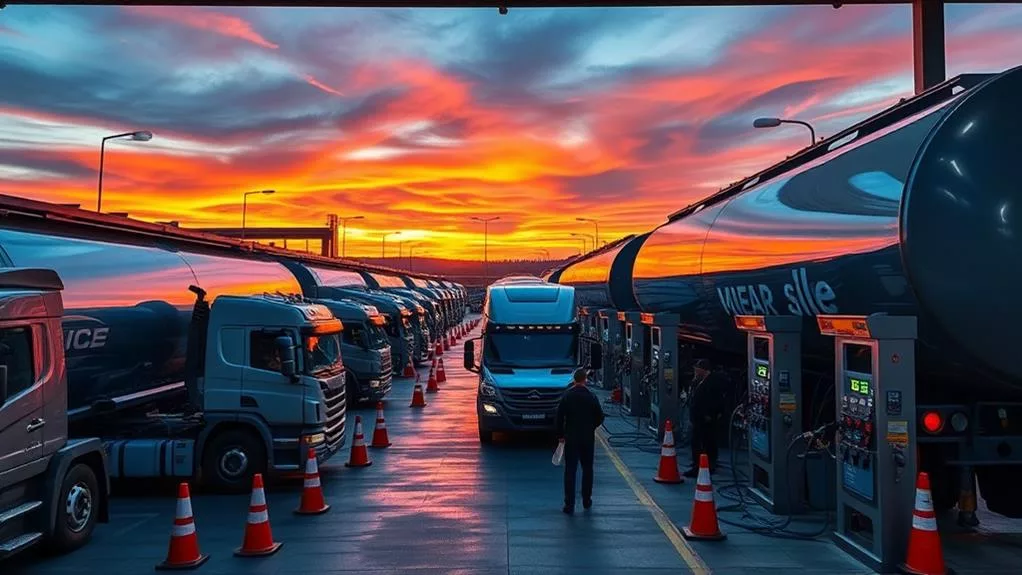
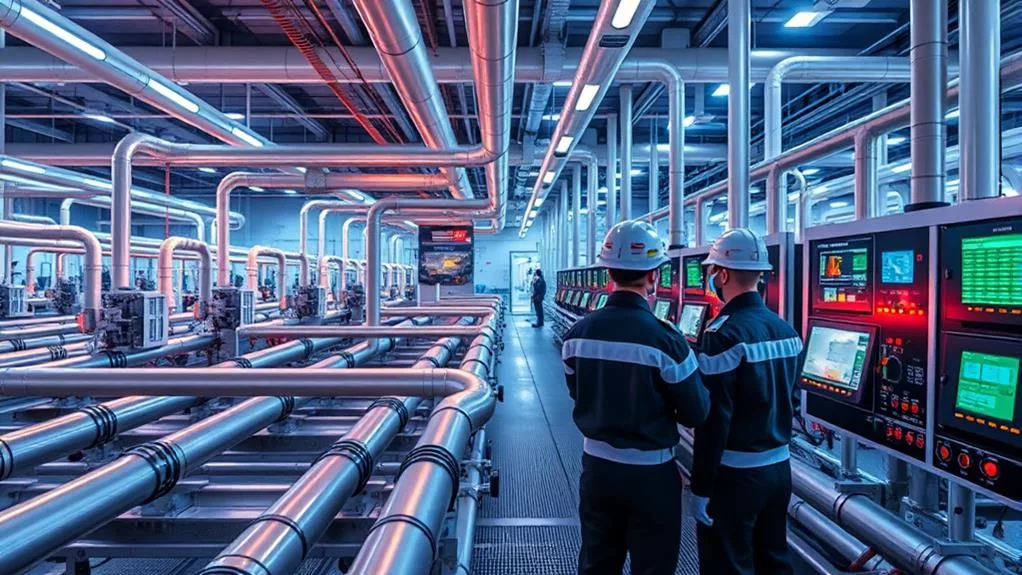
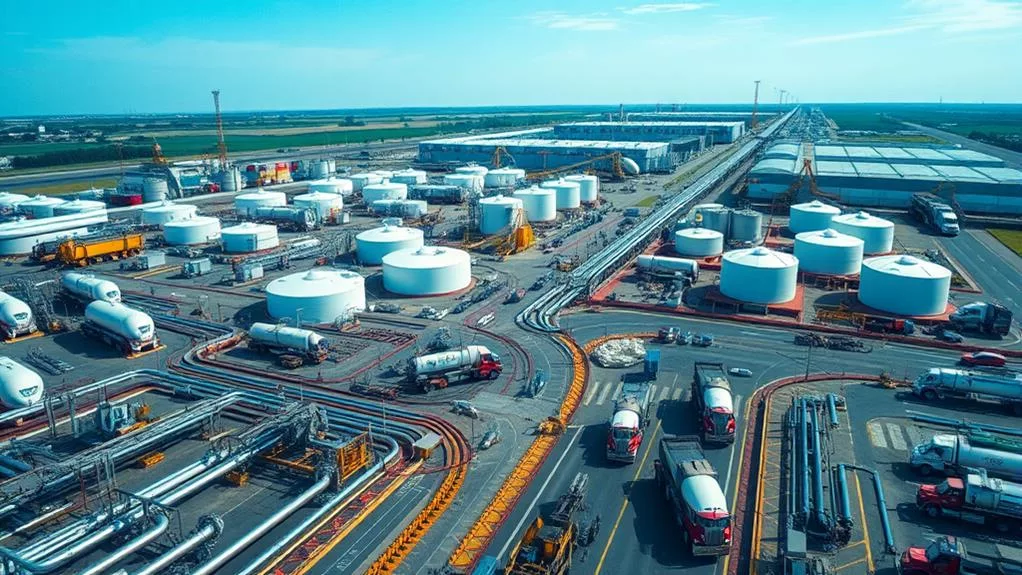
Reducing fuel waste with on-site delivery involves employing various efficiency tactics, such as optimising delivery routes through software like Routific or OptimoRoute, which minimises unnecessary miles and idle time. Real-time data analysis and monitoring systems, such as the FuelGuard Monitoring System, assist in identifying usage patterns and optimising refuelling schedules. Driver training programmes focusing on eco-driving techniques encourage sustainable driving behaviours, further reducing fuel consumption.
Integrating advanced fuel management technology provides invaluable insights into trends and driver behaviour, enabling tailored fuel-saving strategies. Each tactic contributes towards a diverse approach to fuel efficiency, offering potential for remarkable improvements in operational cost-effectiveness.
Optimizing Fuel Delivery Routes
In the realm of logistics, optimising fuel delivery routes is a vital strategy for reducing fuel waste and enhancing operational efficiency. Utilising route optimisation software enables companies to significantly cut down on fuel consumption. This technology plays a crucial role in efficient delivery planning, allowing businesses to minimise unnecessary miles and idle time, leading to substantial fuel savings. Strategic planning not only reduces fuel costs but also improves delivery times. Clients experience improved reliability and feel a stronger connection to the service.
Integrating real-time data analysis into route planning technology enables dynamic route adjustments. This ensures fuel deliveries are conducted with maximum efficiency, particularly useful for unexpected traffic conditions or last-minute schedule changes. The ability to modify routes on-the-fly ensures a seamless delivery process, reinforcing the operational excellence customers and partners expect.
Adopting advanced route planning technology promises significant fuel savings and boosts productivity across delivery operations. Embracing these cutting-edge solutions cultivates an environment of efficiency and sustainability. This aligns with the community's shared values and long-term goals. For example, the use of software such as Routific or OptimoRoute can facilitate efficient route management.
Monitoring Fuel Consumption
Harnessing the benefits of optimised fuel delivery routes, on-site fuel consumption monitoring is crucial for minimising waste and boosting operational performance. With advanced technology, organisations can meticulously track fuel usage and collect real-time data. This system identifies usage patterns and inefficiencies, forming a basis for targeted optimisation efforts.
Real-time data provides decision-makers with insights to swiftly address leaks or inefficiencies, preventing wastage. On-site fuel consumption monitoring aids in creating efficient refuelling schedules, ensuring vehicles are only fuelled when necessary. Integrating technology into fuel management practices results in substantial cost savings and improved operational efficiency.
In industries where every drop of fuel is critical, monitoring and optimising consumption is invaluable. It promotes unity and responsibility among team members, all working towards reducing waste and enhancing performance. Prioritising on-site fuel consumption monitoring contributes to sustainable practices and delivers tangible benefits in cost and efficiency. Using products like the FuelGuard Monitoring System can help achieve these goals, offering comprehensive solutions for tracking and managing fuel consumption effectively.
Implementing Driver Training
A well-structured driver training programme is crucial in enhancing fuel efficiency and reducing waste. Instilling eco-driving techniques empowers drivers to adopt sustainable driving behaviours, essential for achieving fuel savings. Educated drivers, aware of their impact, can significantly reduce fuel waste through avoiding harsh acceleration and excessive speeding—simple yet effective tactics leading to decreased fuel consumption.
Driver training programmes focus not only on individual driving behaviour but also on fostering a culture of efficiency within an organisation. Prioritising fuel efficiency allows companies to lower operational costs, creating an environment where everyone feels part of a larger, responsible community.
As drivers recognise their role in reducing fuel waste, they contribute to a collective effort that underscores sustainability and efficiency's importance.
Educated drivers' impact extends beyond immediate savings. A consistent focus on eco-driving techniques ensures long-term benefits, reinforcing the organisation's commitment to operational excellence. Implementing driver training programmes enables companies to achieve substantial fuel savings while promoting a sense of belonging among the workforce, united by shared values and goals.
Leveraging Fuel Management Technology
Driver training is crucial in reducing fuel waste. Integrating advanced fuel management technology enhances these efforts. Real-time tracking and analysis of fuel consumption allow businesses to monitor and manage fuel usage effectively. Detailed insights enable managers to identify trends and develop optimisation strategies for specific areas of improvement. This improves operational efficiency and minimises fuel wastage.
Telematics systems are essential when combined with fuel management technology. They provide valuable insights into driver behaviour, allowing companies to address habits that may lead to excessive fuel consumption. Understanding these patterns helps organisations tailor training programmes to encourage more fuel-efficient driving practices. This creates a comprehensive strategy that aligns technological capabilities with human behaviour to achieve maximum fuel economy.
Real-time monitoring capabilities of fuel management technology empower businesses to make informed decisions. This facilitates quick adjustments to strategies, ensuring that fuel efficiency remains a priority. Investing in such technology demonstrates a commitment to continuous improvement and environmental responsibility, fostering a sense of belonging among stakeholders who value sustainability and innovation in operational practices.
For example, the FuelMaster fuel management system provides extensive reporting features and real-time alerts, aiding in efficient fuel tracking.
Another option is the Fleetmatics REVEAL, which offers insights into vehicle performance and driver behaviour. These systems can be invaluable in reducing fuel costs and enhancing overall fleet efficiency.
Scheduling Efficient Deliveries
Efficient delivery scheduling is crucial in reducing fuel wastage through optimising routes and minimising idle time. Strategic planning ensures full vehicle capacity utilisation, reducing unnecessary journeys and conserving fuel. Collaboration with customers and drivers enhances delivery efficiency. When everyone is aligned, routes are optimised to avoid delays, thus promoting fuel efficiency.
Incorporating real-time monitoring into delivery schedules allows for dynamic adjustments to address unexpected disruptions swiftly. This adaptability not only reduces fuel wastage but also enhances the reliability of the delivery process. Advanced technologies in route planning are essential for achieving these efficiencies. Sophisticated algorithms help businesses identify the most efficient pathways, cutting down travel distances and fuel consumption.
Comprehensive driver training programmes are vital to reinforce these strategies. Educating drivers on the importance of efficient delivery scheduling and route optimisation fosters a shared responsibility towards reducing fuel wastage. When drivers are equipped with the necessary knowledge and tools, the collective effort leads to significant improvements in fuel efficiency and delivery effectiveness. This strengthens the sense of community within the organisation.