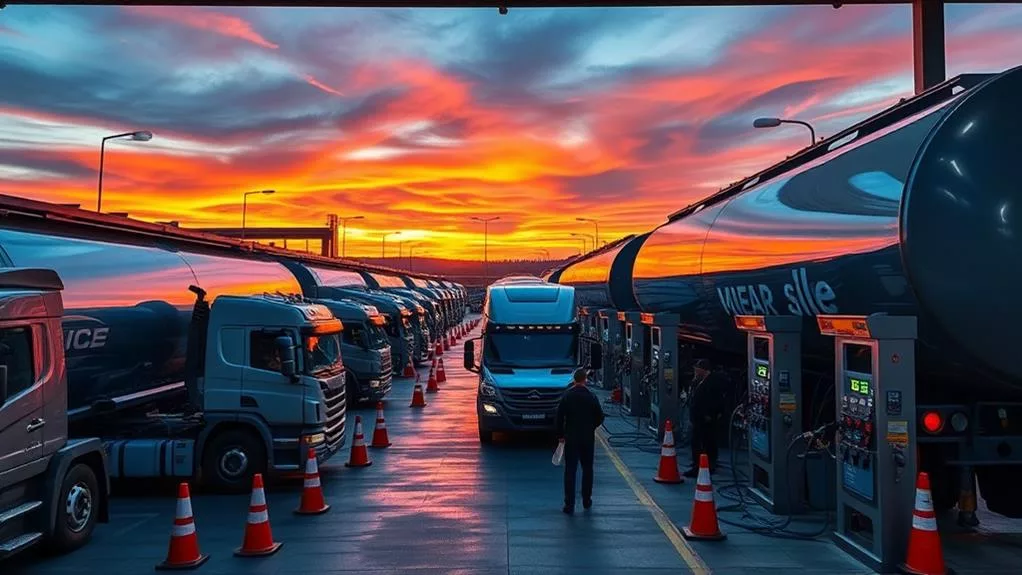
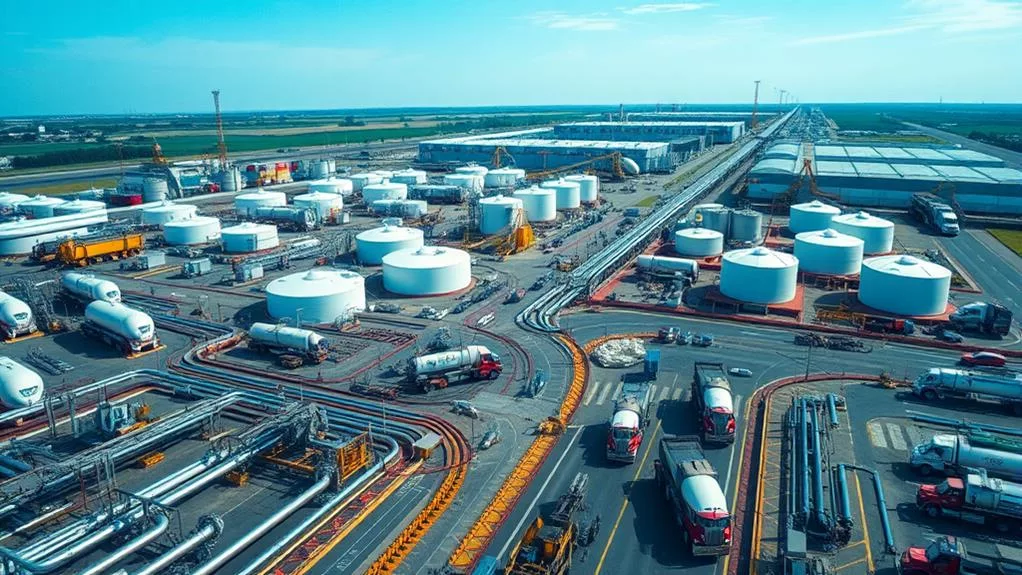
The role of petroleum distributors in KwaZulu-Natal is crucial in facilitating the efficient and reliable supply of petroleum products throughout the region. Petroleum distribution in KwaZulu-Natal involves various functions that are essential for the smooth operation of the industry. These functions include sourcing petroleum products from refineries and suppliers, storing and handling the products, and distributing them to various retail outlets and end-users.
Logistics and infrastructure play a significant role in petroleum distribution in KwaZulu-Natal. Distributors need to have a well-established network of storage facilities, transportation systems, and delivery mechanisms to ensure the timely and safe delivery of petroleum products. This includes maintaining a fleet of tankers and trucks, as well as ensuring proper maintenance of storage tanks and facilities.
Key Takeaways
- Challenges in petroleum distribution include managing supply and demand fluctuations, which can impact operations and profitability.
- Embracing new technologies in petroleum distribution, such as advanced logistics systems and data analytics, can increase efficiency and cost savings.
- Strategic planning and operational flexibility are necessary to handle supply and demand fluctuations, including monitoring market trends, collaborating with suppliers and retailers, and implementing advanced forecasting techniques.
- Integration of new technologies enhances operational efficiency in petroleum distribution, through real-time tracking and monitoring systems, smart technology integration, real-time data analytics, and IoT devices.
Importance of Petroleum Distribution in KwaZulu-Natal
The petroleum distribution network in KwaZulu-Natal plays a crucial role in supplying petroleum products to various industries and ensuring a consistent and reliable energy supply throughout the region. Petroleum distribution faces several challenges in KwaZulu-Natal, including transportation logistics, infrastructure limitations, and regulatory compliance. These challenges require efficient coordination and management to ensure that petroleum products reach their intended destinations in a timely manner.
The economic impact of petroleum distribution in KwaZulu-Natal is significant. It supports various industries such as transportation, manufacturing, and agriculture, which heavily rely on petroleum for their operations. A consistent and reliable energy supply is essential for these industries to function effectively and contribute to the regional economy.
Petroleum distribution also creates employment opportunities and stimulates economic growth in the region. Moreover, it contributes to the overall development and sustainability of KwaZulu-Natal by meeting the energy needs of both urban and rural areas, thereby fostering social and economic well-being.
Functions of Petroleum Distributors
Functions of petroleum distributors in KwaZulu-Natal encompass the efficient transportation and delivery of petroleum products to various locations within the region. These distributors play a crucial role in ensuring that petroleum products are readily available to meet the energy demands of the region.
One of their primary functions is to adhere to petroleum distribution regulations set by governing bodies to ensure safety, quality control, and environmental protection. They are responsible for obtaining the necessary permits and licenses, as well as complying with transportation and storage regulations.
Additionally, petroleum distributors utilize technology to streamline their operations and improve efficiency. This includes using advanced systems for inventory management, route optimization, and real-time tracking of deliveries. By leveraging technology, distributors can ensure timely deliveries, minimize fuel wastage, and reduce the risk of product contamination.
Overall, the functions of petroleum distributors in KwaZulu-Natal revolve around maintaining a safe and reliable petroleum supply chain while adhering to regulations and incorporating technological advancements.
Logistics and Infrastructure of Petroleum Distribution
The logistics and infrastructure of petroleum distribution play a crucial role in ensuring the smooth and efficient transportation and storage of petroleum products.
One key aspect is the extensive network of distribution centers, strategically located to ensure timely and reliable supply to various regions.
Additionally, efficient transportation systems, such as pipelines, tankers, and trucks, are employed to transport petroleum products from refineries or storage facilities to the distribution centers and ultimately to the end consumers.
The storage systems, including tanks and terminals, are designed to safely store large quantities of petroleum products and facilitate their distribution as per demand.
Extensive Network of Distribution Centers
Sprawling across the landscape like a web of interconnected nodes, the extensive network of distribution centers in KwaZulu-Natal strategically positions itself to efficiently transport petroleum products throughout the region.
These petroleum distribution centers play a crucial role in the supply chain optimization of petroleum products. With their strategic locations, they ensure timely delivery of petroleum products to various retail outlets and consumers.
These centers are equipped with state-of-the-art storage facilities and advanced logistics systems to manage the flow of petroleum products effectively.
Moreover, their extensive network allows for easy access to different parts of the region, reducing transportation costs and ensuring a steady supply of petroleum products.
The distribution centers in KwaZulu-Natal are essential in maintaining a reliable and efficient petroleum supply chain, contributing to the overall development and growth of the region’s economy.
Efficient Transportation and Storage Systems
Efficient transportation and storage systems are crucial components of the petroleum supply chain in KwaZulu-Natal. They ensure the smooth flow and timely delivery of petroleum products throughout the region.
Transportation optimization plays a key role in minimizing costs and maximizing the efficiency of petroleum distribution. Distributors in KwaZulu-Natal employ various strategies to optimize transportation. These strategies include route planning, vehicle tracking, and load balancing.
By utilizing advanced technologies and data analytics, distributors can identify the most efficient routes, reduce fuel consumption, and minimize delivery times.
Warehouse management is equally important in maintaining an efficient supply chain. Distributors use advanced inventory management systems to track and control stock levels. This ensures the availability of petroleum products when needed.
Additionally, proper storage facilities and procedures are implemented to maintain product quality and safety.
Overall, efficient transportation and storage systems are vital for the petroleum distributors in KwaZulu-Natal. They enable these distributors to meet the demands of their customers effectively and efficiently.
Safety and Compliance in Petroleum Distribution
Safety and compliance in petroleum distribution is crucial, as evidenced by the fact that in 2020 alone, there were over 100 reported incidents of safety violations in the industry in KwaZulu-Natal. Ensuring the safe transportation and storage of petroleum products requires strict adherence to safety protocols and regulatory compliance. These measures aim to minimize the risk of accidents, protect the environment, and safeguard the health and well-being of workers and the community. To highlight the importance of safety and compliance, let’s consider a table that showcases some key safety protocols and corresponding regulatory requirements:
| Safety Protocol | Regulatory Requirement |
|---|---|
| Regular equipment maintenance | Compliance with Occupational Health and Safety Act |
| Proper handling and labeling of hazardous materials | Adherence to Hazardous Substances Act |
| Emergency response preparedness | Compliance with National Environmental Management Act |
By following these safety protocols and regulatory requirements, petroleum distributors contribute to the overall safety and well-being of the industry and the communities they serve.
Challenges and Opportunities in the Petroleum Distribution Industry
This discussion focuses on the challenges and opportunities in the petroleum distribution industry.
One of the main challenges in this industry is managing supply and demand fluctuations. Fluctuations in both supply and demand can have significant impacts on operations and profitability. For example, during periods of high demand, it can be challenging to ensure that there is enough supply to meet the needs of customers. On the other hand, during periods of low demand, there may be excess supply that needs to be managed effectively to avoid storage issues and financial losses.
Embracing new technologies is another important aspect of the petroleum distribution industry. Advanced logistics systems and real-time data analytics can provide opportunities for increased efficiency and cost savings in the distribution process. These technologies can help companies optimize routes, reduce fuel consumption, and improve delivery times. They can also provide valuable insights into customer behavior and preferences, allowing companies to tailor their offerings and improve customer satisfaction.
In conclusion, managing supply and demand fluctuations and embracing new technologies are key challenges and opportunities in the petroleum distribution industry. By effectively addressing these challenges and capitalizing on these opportunities, companies in this industry can improve their operations and maintain a competitive edge.
Managing Supply and Demand Fluctuations
To effectively navigate supply and demand fluctuations, petroleum distributors in KwaZulu-Natal employ strategic planning and operational flexibility. Supply chain management plays a crucial role in ensuring that the right amount of petroleum products is available at the right time and place. Distributors carefully monitor market trends, analyze historical data, and collaborate with suppliers and retailers to optimize their supply chain. Inventory control is another key aspect of managing supply and demand fluctuations. By maintaining accurate inventory records and implementing efficient ordering and delivery processes, distributors can avoid stockouts or excess inventory. They also utilize advanced forecasting techniques to anticipate changes in demand and adjust their inventory levels accordingly. This proactive approach helps distributors to meet customer demands promptly while minimizing costs and maximizing efficiency.
| Supply Chain Management | Inventory Control |
|---|---|
| Market trend analysis | Accurate records |
| Historical data analysis | Efficient ordering |
| Supplier collaboration | Advanced forecasting |
| Retailer collaboration | Demand anticipation |
Embracing New Technologies for Enhanced Efficiency
The integration of new technologies into supply chain management practices has been shown to significantly enhance operational efficiency and responsiveness. For instance, the implementation of real-time tracking and monitoring systems allows distributors to have a comprehensive view of their inventory levels and delivery schedules, enabling them to quickly identify potential bottlenecks and take proactive measures to address them. This not only improves the overall efficiency of the distribution process but also ensures timely delivery of petroleum products to customers.
To embrace new technologies and achieve digital transformation in their operations, petroleum distributors can consider the following:
-
Smart technology integration: This involves the use of advanced software platforms and digital tools to automate processes, optimize routes, and streamline operations.
-
Real-time data analytics: By harnessing the power of data analytics, distributors can gain valuable insights into customer preferences, market trends, and demand patterns, allowing them to make informed decisions and adjust their supply strategies accordingly.
-
Internet of Things (IoT) devices: IoT devices can be used to monitor and control various aspects of the distribution process, such as temperature and pressure levels, ensuring product quality and safety throughout the supply chain.
By embracing new technologies, petroleum distributors in KwaZulu-Natal can enhance their efficiency, improve customer satisfaction, and stay competitive in a rapidly evolving industry.
Future Outlook for Petroleum Distribution in KwaZulu-Natal
The future outlook for petroleum distribution in KwaZulu-Natal reveals a landscape of potential growth and expansion. The region’s strategic location and ongoing economic development provide a promising foundation for the industry to flourish.
Future trends indicate that the demand for petroleum products will continue to increase. This growth will be driven by factors such as population growth, urbanization, and industrialization. Market growth in the region is expected to be driven by the transportation sector, as well as the expanding industrial and commercial sectors.
To meet this growing demand, petroleum distributors will need to embrace new technologies and invest in infrastructure development. These steps will enhance their efficiency and ensure a reliable supply chain. Additionally, there is a need for continuous research and innovation in the sector. This research will explore alternative energy sources and reduce the environmental impact of petroleum distribution.
Overall, the future of petroleum distribution in KwaZulu-Natal looks promising. There are opportunities for growth and development in line with the region’s economic progress.
Frequently Asked Questions
How many petroleum distributors are there currently operating in KwaZulu-Natal?
The petroleum distribution market in KwaZulu-Natal is influenced by various trends. It is difficult to determine the exact number of distributors, but their presence has a significant impact on the local economy.
What are the qualifications or requirements to become a petroleum distributor in KwaZulu-Natal?
Petroleum distributor qualifications in KwaZulu-Natal include obtaining a valid license from the Department of Mineral Resources and Energy, compliance with health and safety regulations, financial stability, and knowledge of petroleum distribution practices.
How are petroleum prices determined and regulated in KwaZulu-Natal?
Petroleum prices in KwaZulu-Natal are determined and regulated through various mechanisms, such as international crude oil prices, taxes, and transportation costs. These prices have a significant impact on the local economy, affecting sectors like transportation, manufacturing, and consumer spending.
Are there any plans or initiatives in place to promote sustainable and environmentally friendly practices within the petroleum distribution industry in KwaZulu-Natal?
Sustainable practices and reducing environmental impact are key concerns within the petroleum distribution industry in KwaZulu-Natal. Various plans and initiatives are being implemented to promote the adoption of environmentally friendly practices and technologies.
What is the role of government agencies or regulatory bodies in overseeing and monitoring the activities of petroleum distributors in KwaZulu-Natal?
Government regulations and oversight play a crucial role in monitoring the activities of petroleum distributors in KwaZulu-Natal. Regulatory bodies ensure compliance with environmental and safety standards, promoting responsible practices within the industry.
Safety and compliance measures are of utmost importance in the petroleum distribution industry. Distributors must adhere to strict safety regulations and standards to prevent accidents and environmental hazards. This includes implementing proper storage and handling procedures, conducting regular inspections and maintenance, and ensuring compliance with health and safety regulations.
However, petroleum distributors in KwaZulu-Natal also face various challenges and opportunities. These include fluctuating fuel prices, competition from other distributors, and the need to adapt to changing market demands. Additionally, there are opportunities for growth and expansion, such as exploring alternative energy sources and adopting new technologies for more efficient operations.
Looking to enhance your operations with reliable energy solutions? Explore our specialised services: from Bulk Diesel Distribution and Fuel Management Services to On-Site Refuelling in Vryheid and Truck Stop Services. Request a Quote or Join Our Energy Network today for tailored solutions that keep your business moving!