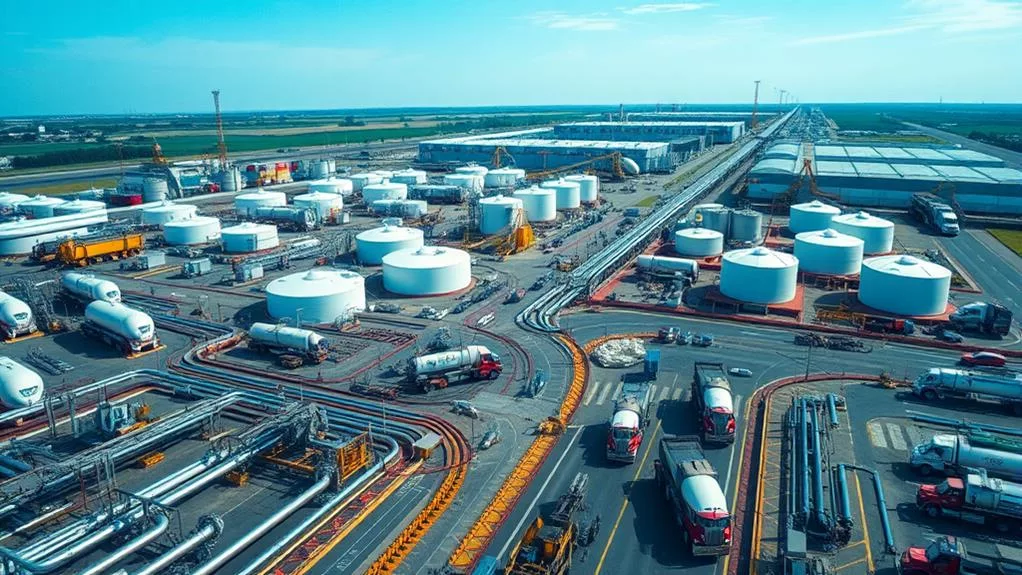
Safety training for on-site fuel handling is crucial for adherence to OSHA regulations and EPA mandates. It provides workers with essential knowledge to minimise risks such as fires, explosions, and harmful exposures.
Comprehensive training covers proper storage, handling procedures, and emergency response planning, fostering a culture of safety and environmental responsibility. Following these guidelines reduces environmental impact and legal liabilities whilst enhancing workplace safety.
Adopting technologies like automated fuel management systems and remote monitoring further ensures safe operations. Understanding these comprehensive practices will offer greater insights into creating a safer and more efficient work environment.
Importance of Fuel Safety
Fuel safety holds paramount significance for secure and efficient operations on construction sites. Correct handling and adherence to safety regulations mitigate risks associated with fuel, such as fires, explosions, and environmental harm. Construction companies that follow these protocols exhibit responsible fuel handling practices, safeguarding against potential legal issues and fostering trust among stakeholders.
Training is indispensable for reinforcing safety measures, equipping workers with the knowledge necessary for managing fuel-related tasks securely. This focus on education underscores the importance of worker well-being, highlighting the company's commitment to their safety. Compliance is not merely a regulatory obligation; it is a foundational component of a unified workplace culture that values each member's contributions.
Effective fuel safety practices significantly reduce the environmental impact of construction activities. Lowering the chances of spills and contamination helps conserve natural resources and protect ecosystems, while also avoiding costly fines and legal repercussions.
Prioritising fuel safety and compliance enhances operational efficiency and environmental stewardship, strengthening organisational integrity and benefiting all members involved.
Understanding Safety Hazards
Recognising the various safety hazards linked to fuel handling is crucial for maintaining secure operations on construction sites. Awareness of these risks fosters a culture of safety and belonging, where each team member feels responsible for their own wellbeing and that of their colleagues. Handling fuel improperly can present significant fire risks, such as those arising from poor storage or careless actions, potentially leading to catastrophic explosions. Understanding these dangers is vital for preventing accidents and ensuring the safety of all personnel on-site.
Exposure to fuel carries serious health risks, including dizziness, headaches, and more severe conditions from inhaling petrol fumes. This underscores the importance of maintaining proper ventilation and implementing protective measures. It is crucial to comprehend these risks to prevent accidents and safeguard all personnel on-site.
Fuel leaks and spills not only threaten worker safety but also pose environmental issues, affecting the surrounding ecosystem. Addressing these challenges through adequate training and procedures reduces construction site risks and demonstrates a commitment to sustainability. For instance, using spill containment kits can effectively manage spills and prevent environmental contamination.
Improper fuel handling practices can lead to falls and other physical injuries. Recognising these different safety hazards enables construction teams to work towards a safer, more inclusive environment that prioritises the health and security of all its members. For example, implementing proper storage solutions such as lockable fuel cabinets can help minimise risks and ensure safety on-site.
Essential Safety Precautions
Implementing safety measures in fuel handling operations is paramount. Proper fuel storage and handling prevent accidents and ensure a secure working environment. Store fuel in approved containers to prevent leaks and spills, which are crucial safety precautions protecting both personnel and the facility.
Adequate ventilation is essential when handling fuel to minimise health risks associated with harmful fumes that might accumulate in enclosed spaces.
No-smoking policies in and around fuelling areas are essential. This preventative measure significantly reduces fire hazards, promoting a safer environment for everyone involved.
Personnel should wear appropriate personal protective equipment (PPE), such as high-visibility clothing, during fuel handling operations. This ensures individual safety and improves overall site security by making workers more visible, especially in busy or dimly lit areas.
Having well-established emergency procedures is crucial. Clear protocols for evacuating the area and contacting emergency services promptly if an incident occurs are necessary. Adhering to these important safety precautions helps organisations foster a culture of safety and belonging among their workforce.
Compliance and Training Requirements
Following compliance and training requirements is essential for ensuring the safety and effectiveness of on-site fuel handling operations. The foundation of fuel safety compliance involves meeting OSHA regulations and EPA mandates, which protect both employees and the environment. Training requirements cover educating staff on crucial aspects such as proper fuel storage, handling procedures, and emergency response planning, all of which play a significant role in minimising risks and enhancing operational safety.
Class A, B, and C operators, who manage petrol station operations, must undergo specialised training to ensure adherence to safety regulations and effective environmental impact mitigation. This specialised training equips operators with the knowledge to handle the complexities of on-site fuel handling and respond effectively to emergencies.
Ongoing education on Hazcom regulations and GHS compliance is vital to maintaining a safe work environment. These regulations guide the handling of chemicals and help prevent workplace incidents. Online training modules offer a convenient and consistent platform for delivering thorough and efficient training. They include built-in tracking systems to ensure every participant is accounted for and comprehensively trained, promoting a culture of safety and responsibility.
For instance, a recommended product for improving safety compliance is the "SafeFuel Training Suite," which offers comprehensive modules on fuel safety and environmental protection. This suite ensures that operators are equipped with the necessary skills and knowledge to manage fuel operations safely.
Innovative Safety Technologies
As the landscape of on-site fuel handling changes, integrating innovative safety technologies is crucial for enhancing both operational efficiency and safety standards. Automated fuel management systems lead the way, streamlining fuelling operations to significantly improve both efficiency and safety. These systems minimise human error, ensuring precise fuel dispensing and accurate record-keeping, aligning with compliance guide requirements.
Remote monitoring technology provides real-time tracking of fuel levels and usage, improving inventory management through timely refuelling and reducing the risk of fuel shortages. Products such as the FuelCloud system offer comprehensive solutions for businesses seeking to optimise their fuel management processes.
Mobile refuelling apps add convenience and accessibility, enabling seamless on-site fuel handling. These apps support efficient scheduling and coordination, resulting in improved operational efficiency. One such app is Fuelman, which offers robust features for scheduling and tracking refuelling activities.
Adopting sustainable fuelling practices, such as using biofuels and electric-powered machinery, supports environmental conservation and aligns with modern safety regulations, reflecting a commitment to responsible fuel handling. The use of electric forklifts, for instance, not only reduces emissions but also enhances workplace safety.