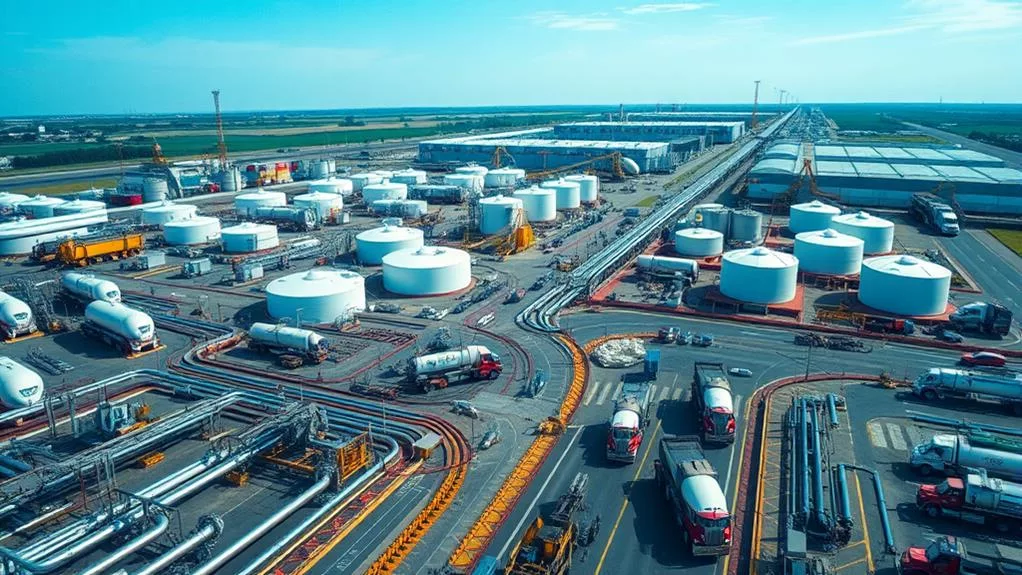
Effectively scheduling on-site fuel deliveries requires a comprehensive assessment of fuel consumption patterns, equipment needs, and storage capabilities. Strategic scheduling enhances operational efficiency, ensures cost-effectiveness, and guarantees timely deliveries. Employing advanced tools such as route planning software and real-time data analytics can significantly optimise scheduling.
Furthermore, customising delivery plans and leveraging technology for automated operations is essential for maintaining adaptability and reliability.
Implementing strict safety and compliance measures strengthens operational excellence. To gain insights into the best practices for on-site fuel delivery scheduling, it is essential to consider key strategies and technologies.
Understanding Fuel Delivery Needs
Efficient on-site fuel supplies hinge on a thorough understanding of fuel delivery needs, which includes analysing fuel consumption patterns and equipment requirements. Recognising these factors ensures that the precise amount of fuel is available when needed, boosting operational efficiency.
Evaluating operational hours and peak usage times is vital as it aligns deliveries with periods of highest activity. This synchronisation minimises downtime and maximises productivity.
A proper assessment of on-site storage capacity and refuelling infrastructure is essential. These elements dictate the volume of fuel that can be stored and the logistics involved in refuelling, which in turn affects the frequency and size of deliveries.
Ensuring safe and efficient fuel supply necessitates stringent safety protocols to protect personnel and equipment.
Compliance with environmental regulations and emission standards remains critical. This adherence ensures operations run smoothly and sustainably. Consistent fulfilment of fuel quality requirements protects machinery and maintains performance.
Collaborating with fuel supply providers to align delivery schedules with project timelines and fuel needs fosters a partnership that aims for operational excellence.
Benefits of Strategic Scheduling
A thorough grasp of fuel delivery requirements underpins the multiple advantages offered through strategic scheduling. Implementing a well-structured scheduling system substantially enhances the speed and efficiency of fuel delivery, thus promoting smoother operations and boosting overall productivity.
Aligning delivery times with business demands enables companies to manage their fuel resources more effectively, ensuring operations proceed without interruption. This efficient approach to fuel management is vital for maintaining a competitive edge in a fast-paced market.
Cost savings and reduced delivery delays emerge as key benefits from strategic scheduling. Businesses can take advantage of these benefits by cutting unnecessary expenses and optimising resources. This allows for more adaptable service solutions, such as offering time-specific delivery slots or same-day delivery, which cater to diverse customer needs and improve satisfaction.
Precise and reliable delivery services build trust and foster customer loyalty, creating a sense of belonging within the client base.
Moreover, integrating advanced tools like route planning software and delivery time windows ensures that scheduling is optimised, leading to more efficient on-site fuel delivery operations. This strategic approach empowers businesses to skilfully navigate challenges, guaranteeing seamless fuel delivery service.
Key Scheduling Considerations
Effective scheduling of on-site fuel deliveries depends on several crucial factors that businesses must address for optimal operations. Fuel consumption rates and equipment requirements significantly impact the frequency and volume of deliveries. Understanding these elements enables the creation of customised scheduling strategies that meet specific operational needs. Integrating real-time tracking and historical data analysis allows companies to predict fuel needs more accurately, ensuring timely deliveries and preventing operational disruptions.
Delivery time windows provide flexibility, essential for maintaining project momentum and cost-efficiency. Implementing time-specific slots, along with same-day or next-day options, guarantees fuel availability precisely when needed, enhancing productivity. This adaptability supports seamless operations and offers a competitive advantage by reducing downtime and promoting cost savings.
Strategic scheduling of on-site fuel deliveries is not just about meeting immediate needs. Anticipating future demands is equally important. Prioritising these key factors leads to improved customer satisfaction and operational excellence, securing a firm's standing in a competitive market. This approach establishes them as reliable partners in efficient project execution.
Leveraging Technology for Efficiency
In the realm of on-site fuel deliveries, technology significantly enhances efficiency and accuracy. Advanced systems in fuel delivery scheduling have revolutionised the sector, cutting manual tasks by 90% and removing the necessity for post-scheduling reconciliations. Automated nominations have become crucial, streamlining scheduling and reducing errors. This promotes teamwork where seamless collaboration and precise operations are valued.
Real-time data integration and predictive analytics lead the charge in operational agility. These tools enable immediate adjustments based on current information, ensuring delivery management remains responsive and proactive. Path templates and auto-allocation further refine scheduling, optimising resource use and driving cost-effectiveness.
Sophisticated software solutions are essential to maximise these advantages. Products like FuelCloud and Gasboy enhance delivery management, providing frameworks for superior operational efficiency. Embracing such technologies positions organisations at the forefront of the industry, fostering a community of professionals committed to excellence and innovation. In a rapidly changing environment, leveraging technology is imperative for those dedicated to excelling in fuel delivery scheduling.
Customizing Delivery Plans
Customising shipment plans ensures gas services are tailored to meet the unique needs of each customer. This approach involves adjusting gas quantities and scheduling to precisely address customer requirements. Providers offer flexibility in delivery frequency and timing, ensuring that whether a client needs regular scheduled deliveries, emergency deliveries, or on-demand refuelling, their specific needs are met.
The selection of diverse fuel types accommodates different operational scenarios, enhancing both satisfaction and operational efficiency.
Detailed planning allows businesses to optimise their fuel management, reducing downtime, particularly on critical sites such as construction projects. Strategic customisation of shipment plans ensures the right amount of fuel is delivered at the right time and contributes to cost-effectiveness by reducing waste and preventing overstocking.
This fosters a sense of partnership between fuel providers and their clients, reinforcing trust in the service relationship.
Aligning gas services closely with customer operations allows businesses to achieve seamless integration of their fuel needs into daily workflows, ensuring uninterrupted productivity and fostering a sense of community within the broader network of service users.
Enhancing Operational Reliability
Ensuring operational reliability on construction sites relies heavily on the consistent availability of fuel for machinery and vehicles. Effective fuel management through strategic on-site fuel deliveries plays a crucial role in maintaining a reliable supply, preventing interruptions in construction activities.
Strategic scheduling of these deliveries minimises downtime, keeping construction machinery operational and optimising productivity. This proactive methodology is vital for project success, fostering team unity as members observe the seamless execution of tasks.
A dependable fuel delivery service underpins uninterrupted operations, providing timely deliveries that align with project schedules. This reliability not only averts project delays but also significantly contributes to cost savings, optimising fuel usage and reducing inefficiencies.
With a steady stream of fuel, construction sites can maintain focus on their core objectives without concern for operational disruptions.
For instance, using a fuel management system like FuelCloud can help keep track of fuel usage and automate deliveries. Additionally, TankSafe's anti-siphon devices can prevent fuel theft, ensuring that every litre is utilised effectively.