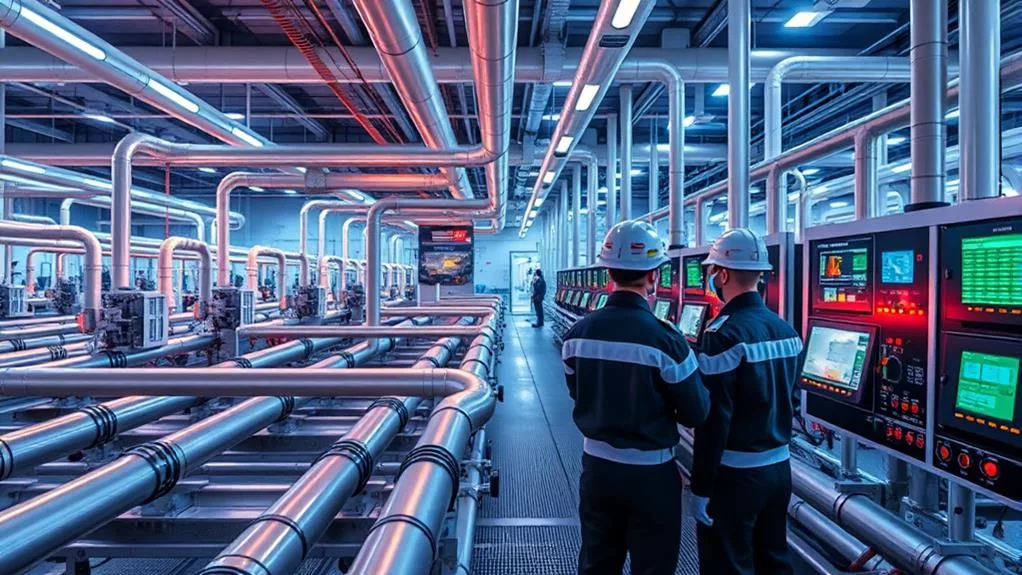
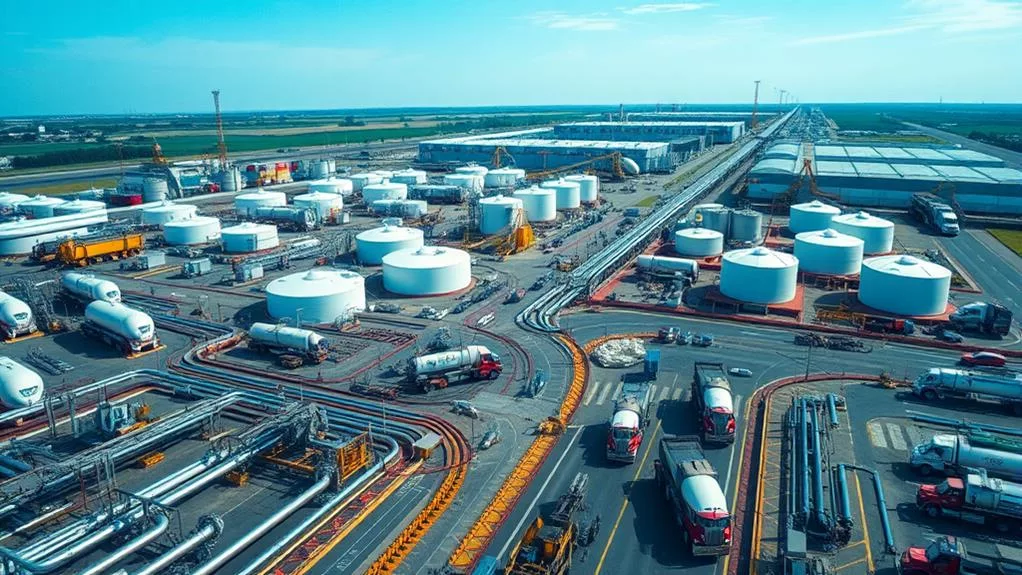
Setting up bulk fuel storage necessitates selecting suitable tanks that comply with capacity and safety standards. Ensure material compatibility to prevent corrosion and adhere to regulations such as UL 142.
Opt for a stable, level site, at least 20 feet from structures, and prepare the foundation with high-quality materials. During installation, follow manufacturer guidelines for accurate assembly and secure fuel transfer systems.
For safety, mark tanks clearly, establish proper venting, and conduct regular inspections. Utilising bunded tanks provides additional containment, thereby reducing environmental risks.
Implementing safety and maintenance protocols ensures operational efficiency and regulatory compliance. By following these guidelines, organisations can minimise risks and maintain a secure fuel storage environment. Uncover further insights into effective bulk fuel storage setups.
Understanding Bulk Fuel Storage
Bulk fuel storage plays a vital role in supporting industries with substantial fuel consumption, such as transportation, manufacturing, and energy production. It ensures a steady and reliable fuel supply, enhancing operational efficiency and continuity. Understanding the intricacies of fuel storage and handling is essential for organisations aiming to establish a robust system. The process starts with careful tank installation, designed to accommodate various fuel types while meeting regulatory requirements.
Safety features are crucial, protecting both the environment and personnel. Effective spill containment measures reduce risks associated with accidental releases, ensuring compliance with environmental standards and safeguarding community interests. Safety systems, including alarms and emergency shut-off valves, significantly improve the facility's preparedness for unforeseen incidents.
Designing bulk fuel storage systems involves addressing safety and environmental considerations, fostering a culture of responsibility and trust. By prioritising these elements, industries reinforce their commitment to sustainable operations and community welfare, nurturing a sense of belonging and shared purpose among stakeholders.
Selecting the Right Tanks
Selecting the right tanks for bulk fuel storage is crucial for ensuring operational efficiency and safety. The type and size of the fuel tank must align with your capacity needs and the physical constraints of your site. Consider the volume of fuel you plan to store and the available space for installation. An appropriately sized tank ensures demand is met without overextending resources.
Material compatibility is essential when choosing a storage tank. Specific fuels require particular materials to prevent corrosion or contamination. Ensure the tank material suits the fuel type to maintain safety and integrity. For instance, stainless steel is ideal for storing diesel, while fibreglass tanks are suitable for petrol.
Compliance with safety standards such as UL 142 is mandatory. These standards ensure storage tanks withstand environmental challenges and operational demands. Research local building codes and zoning regulations to avoid placement issues.
For sensitive or regulated sites, choose tanks with necessary approvals to meet stringent safety requirements. Selecting the right tanks contributes to a safe and efficient bulk fuel storage operation.
Meeting Safety and Compliance
Selecting suitable tanks is crucial in bulk fuel storage. Ensuring safety and compliance is equally necessary. Creating a secure and compliant storage environment involves adhering to specific guidelines and local regulations regarding fuel tanks. Tanks should be positioned at least 20 feet away from any structures, which promotes safety and reduces the risk of hazards. Tank saddles are recommended to enhance protection and stability during storage.
Clearly marking fuel tanks with their contents and appropriate safety signage is essential for compliance and accident prevention. Venting systems and connections to appliances must comply with local regulations to ensure the safety of both the environment and personnel. Regular inspections are necessary to maintain tank integrity and ensure they remain free from corrosion or damage, which pose threats to safety and compliance.
Using high-quality materials can further ensure safety and compliance. For instance, consider using GRP (Glass Reinforced Plastic) tanks, which offer durability and resistance to environmental factors. Additionally, investing in products such as spill containment pallets can prevent fuel leaks from causing environmental harm. Implementing these measures alongside regular maintenance and inspections will help achieve a secure and compliant fuel storage system.
Preparing the Installation Site
To ensure a successful bulk fuel storage setup, preparing the installation site with precision is essential. Select a flat, stable location at least 20 feet from any structures, maintaining safety and compliance with local regulations. This distance reduces potential hazards and facilitates safe fuel delivery and maintenance access. A level surface supports the tank's integrity, preventing uneven loading or spillage.
Attention to detail during site preparation is vital. Level the area using suitable materials like gravel or concrete for a stable foundation. This secures the fuel tanks, reducing the risk of shifting or settling. Adhering to local regulations and safety guidelines not only ensures safety but also demonstrates a commitment to community standards.
Positioning the tank base on a properly prepared, level surface is crucial. This foundational precision supports subsequent assembly and operations. Prioritising these site preparation steps creates a reliable and efficient fuel storage system that aligns with community values and safety expectations.
For instance, the use of high-quality gravel such as granite chippings or a concrete mix like C25 can provide the necessary stability. These materials offer durability and support for large tanks, ensuring long-term safety and efficiency in fuel storage operations.
Assembling and Installing Tanks
A meticulous approach to assembling and installing tanks is crucial for an effective bulk fuel storage system. Selecting a flat, stable location ensures the tanks' stability and facilitates maintenance and fuel supply operations. This foundational step safeguards the shared interests of all parties involved.
Secure attachment of tank legs to the base, with additional bracing, fortifies the installation against unforeseen disruptions.
Adhering to manufacturer guidelines during assembly prevents leaks and ensures smooth operation. Proper pipe fitting connections, in accordance with local regulations, are essential to maintain the integrity of the fuel transfer pumps and the entire fuel flow system. Compliance with these standards ensures a safe environment and demonstrates a shared commitment to safety practices.
Levelling the tank base on a stable surface enhances safety and operational efficiency. Secure all components meticulously, creating a robust installation that supports the collective goal of reliable bulk fuel management. Stakeholders can confidently contribute to a well-organised fuel storage system, fostering a sense of belonging and trust within the community.
Maintenance and Best Practices
Ensuring the longevity and safety of a bulk fuel storage system relies on diligent maintenance and adherence to best practices. Regular inspections of diesel fuel tanks for leaks, damage, or wear are critical and require careful planning. Such vigilance aids in identifying potential issues early and acts as a preventive measure, ensuring that your fuel storage remains secure. These practices help organisations avoid costly repairs and environmental fines.
Conducting maintenance in accordance with regulations is necessary for safe and efficient operations. Adhering to these rules not only strengthens the structural integrity of the storage system but also fosters community trust and reliability. It is essential to keep spill response products readily accessible. This preparedness allows for swift action in emergencies, reducing environmental impacts and maintaining operational continuity.
Training staff on tank inspection and maintenance protocols ensures everyone is equipped with the knowledge to uphold system integrity. Following manufacturer guidelines for tank upkeep is another vital component, as these directives are tailored to prolong the lifespan of the storage system. For example, utilising double-skinned tanks can provide an extra layer of protection against leaks.
Organisations that prioritise these practices foster a culture of safety and efficiency.