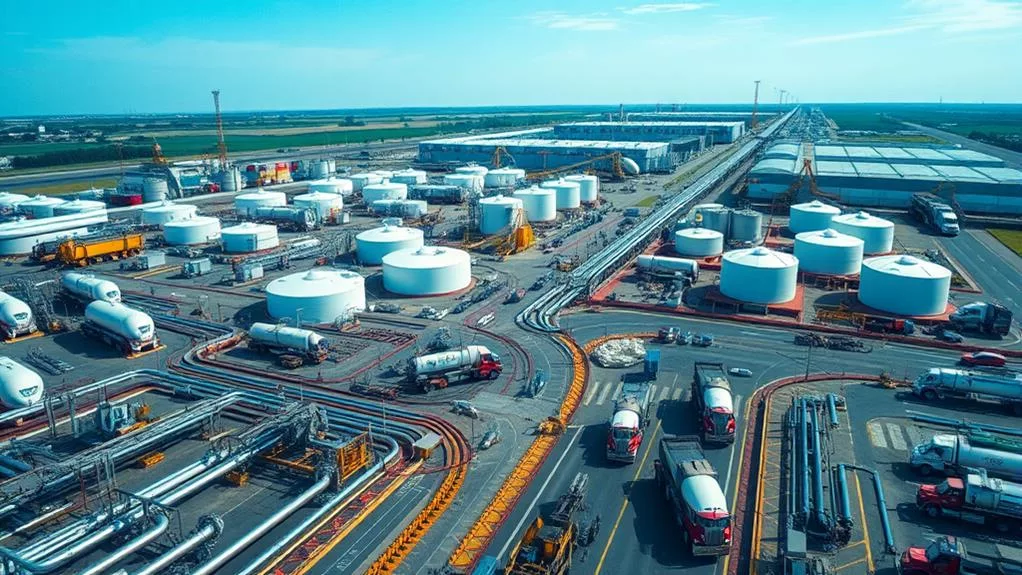
Advanced systems are revolutionising on-site fuel delivery through the integration of GPS, mobile applications, and artificial intelligence. GPS and mobile apps such as FillApp and FuelMate ensure real-time tracking and optimal route planning, enhancing operational efficiency and customer convenience. AI augments these capabilities with instantaneous route adjustments, reducing costs and emissions.
Real-time monitoring through systems like TomTom WEBFLEET provides transparency and improved productivity, allowing swift adaptation to changes.
These technologies not only streamline operations but also contribute to sustainability, supporting eco-friendly practices with solutions such as biodiesel. Innovations in the fuel delivery industry continue to evolve, shaping a more efficient and environmentally friendly future.
Integration of GPS and Apps
The fusion of GPS technology and mobile apps has notably transformed the on-site fuel delivery industry, enhancing both efficiency and convenience. With real-time tracking capabilities, companies can optimise route planning and streamline operations.
Precise location data allows delivery vehicles to navigate traffic accurately, minimising delays and ensuring timely service.
For customers, mobile apps offer unparalleled convenience. Users can request fuel deliveries to their doorsteps with just a few taps on their smartphones.
Apps like FillApp or FuelMate enable real-time monitoring of delivery routes and timings, providing reassurance and control over the process.
This seamless interaction between advanced GPS technology and user-friendly apps not only boosts customer satisfaction but also cultivates a sense of community among those who appreciate innovative solutions.
Advanced Scheduling Systems
Advanced scheduling systems have transformed the on-site fuel delivery industry, enhancing operations and efficiency. Integrating state-of-the-art technology allows fuel delivery services to optimise routes, minimising travel time and costs. These systems use real-time data to adjust schedules based on traffic conditions and customer locations, ensuring quicker and more efficient deliveries, which improves customer satisfaction. GPS technology plays a crucial role, enabling precise tracking of fuel trucks and providing customers with accurate delivery timelines, fostering reliability and trust.
Automated scheduling systems increase productivity, easing the logistical burden on dispatchers and facilitating seamless operations. These systems adapt to the industry's ever-changing demands, allowing fuel delivery services to maintain high efficiency in complex, high-pressure environments. Embracing these advanced systems creates a more integrated and efficient network, benefiting both the business and its clients. This results in improved overall productivity and a sense of belonging for all stakeholders in this essential service.
Specific solutions like the TomTom WEBFLEET system offer real-time vehicle tracking and route optimisation, which significantly enhances delivery efficiency and reduces operational costs.
Another example, the Verizon Connect software, provides detailed analytics and reporting to help businesses make informed decisions, ensuring they remain competitive and efficient.
Real-Time Monitoring Benefits
Real-time monitoring is revolutionising the on-site fuel delivery sector, providing immediate updates and enhancing operational transparency. This technology, powered by GPS tracking, enables customers to track fuel delivery vehicles in real-time, fostering trust and improving communication. With access to precise delivery routes and arrival times, customers enjoy heightened satisfaction, becoming integral participants in the delivery process.
The benefits extend beyond customer experience, significantly enhancing operational efficiency. GPS tracking analyses traffic conditions and customer locations, optimising delivery routes, minimising travel time, and reducing costs. This efficiency streamlines operations and contributes to reduced fuel consumption, positively impacting the environment. In an increasingly eco-conscious world, the ability to decrease environmental impact through advanced technology is a compelling advantage.
Real-time monitoring also ensures that on-site fuel delivery services remain agile and responsive. Instant updates empower companies to adapt quickly to unexpected changes, maintaining seamless operations. As the industry embraces this technology, the synergy between operational efficiency, customer satisfaction, and environmental responsibility becomes evident. Real-time monitoring thus plays a pivotal role in advancing the on-site fuel delivery landscape.
AI and Route Optimization
Utilising AI in route optimisation is revolutionising the effectiveness of on-site fuel delivery systems. AI technology allows these systems to optimise routes in real-time, taking into account traffic conditions and exact customer locations. This intelligent approach to route optimisation reduces travel time and significantly cuts costs, enhancing operations' efficiency and reliability. Combining AI with GPS tracking facilitates accurate route planning, ensuring fuel deliveries are timely and precise.
Real-time data analysis is crucial in this process, enabling dynamic adjustments to routes as conditions change. Adaptability to unforeseen traffic or road closures improves service quality, directly enhancing customer satisfaction. As delivery efficiency increases, customers feel valued and understood, fostering a sense of community.
AI-driven systems in on-site fuel delivery streamline operations and lead to substantial cost savings. These savings can benefit customers, further enhancing their satisfaction and loyalty. Embracing AI and route optimisation nurtures a sense of belonging while delivering superior service experiences.
For instance, the Shell FuelSave Diesel provides better mileage, contributing to cost efficiency. Additionally, the use of advanced navigation systems, such as TomTom GO Premium, enhances route accuracy and delivery reliability.
Environmental and Cost Impacts
Building on the efficiency gains achieved through AI-driven route optimisation, on-site fuel delivery systems provide significant environmental and cost advantages. Advanced systems in fuel delivery vehicles ensure precise fuel distribution, which substantially reduces carbon emissions. Real-time monitoring and GPS tracking optimise each journey, minimising unnecessary distance and fuel consumption.
The industry is moving towards a sustainable future with eco-friendly fuel options like biodiesel and hydrogen. Technology facilitates their seamless integration into current operations.
These advanced systems also deliver cost reductions. Efficient route planning and real-time monitoring cut operational expenses, eliminating fuel waste and reducing wear and tear on vehicles. This optimisation supports sustainability while enhancing profitability.
As the industry progresses, prioritising environmentally responsible methods ensures long-term sustainability goals are met.