In today's world, the environmental impact of fuel and lubricants is a topic of great concern. As individuals and societies alike seek ways to reduce their carbon footprint and protect the planet, understanding the consequences of using these substances becomes crucial. From pollution to habitat destruction and emissions, the effects of fuel and lubricants are far-reaching and demand our attention.
We recognize the challenges that individuals face when it comes to navigating the complex landscape of environmental impact. That's why we've delved deep into this issue, combining our expertise in sustainability and fuel technology to provide you with valuable insights. Whether you're a concerned citizen, a policy maker, or an industry professional, our aim is to address your needs and equip you with the knowledge and tools to make informed decisions.
Join us on this journey as we explore the environmental impact of fuel and lubricants, uncover sustainable alternatives, and discuss regulatory measures that offer hope for a more environmentally responsible future. We understand the importance of this topic and assure you that your questions and concerns will be addressed throughout this article, so keep reading to discover how we can work together towards a greener tomorrow.
Key Takeaways
- Combustion of fossil fuels and the use of petroleum-based fuels and lubricants contribute to air pollution and greenhouse gas emissions, which have adverse effects on climate change and human health.
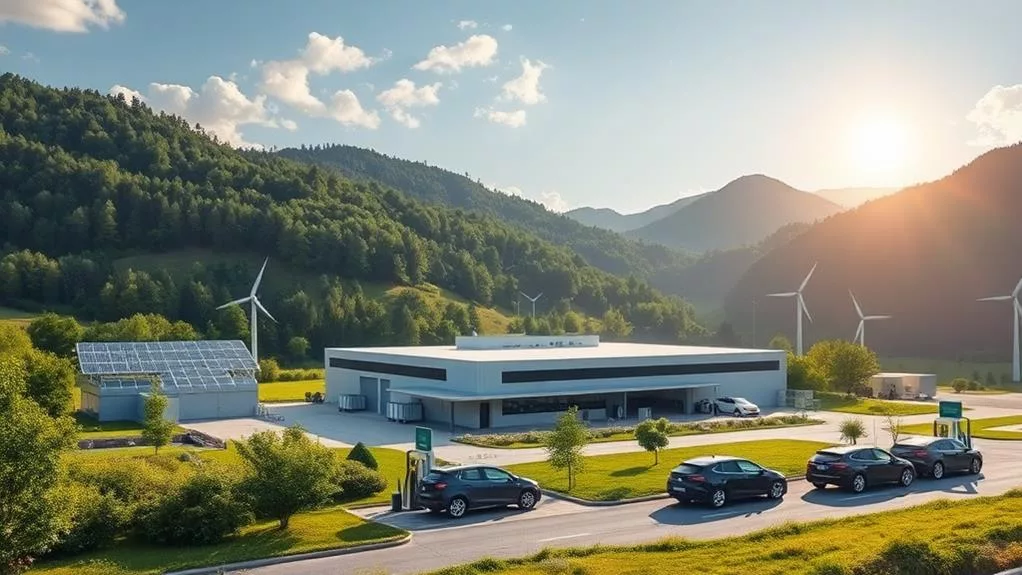
- Transitioning to renewable energy sources and promoting energy efficiency can help mitigate the environmental impact of fuel and lubricants.
- Spills from oil wells and pipelines can contaminate water sources, leading to severe environmental consequences. Regulations and proper disposal/recycling of lubricants are crucial in preventing water contamination.
- Fossil fuel extraction and the use of fuel sources in consumer products cause habitat destruction and wildlife impact, particularly in pristine wilderness and semi-arid climates. Oil spills during extraction and transportation also endanger marine ecosystems and wildlife.
Air Pollution From Combustion
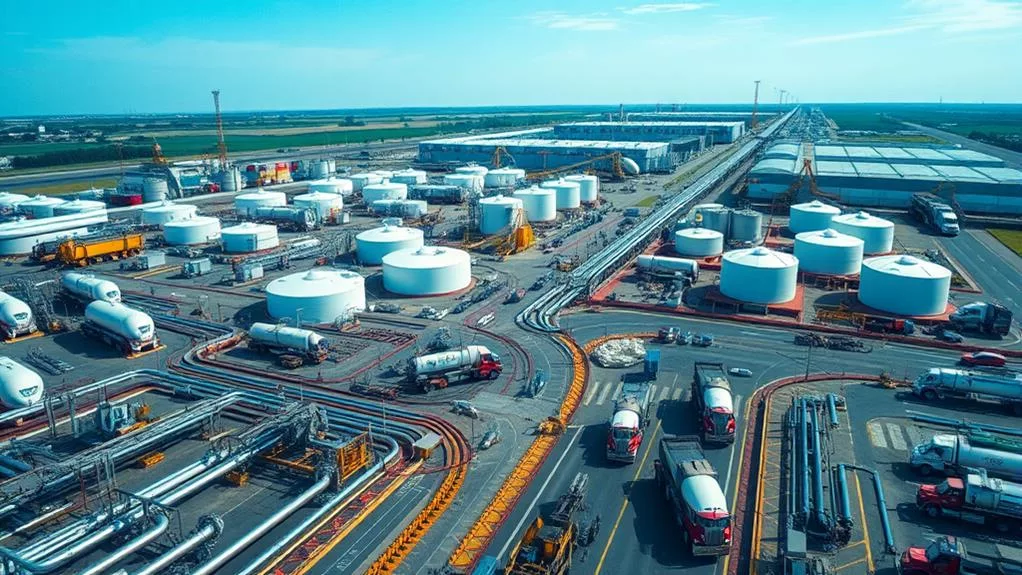
The combustion of fossil fuels, particularly petroleum, significantly contributes to the global issue of air pollution by releasing a variety of polluting emissions. Petroleum, a major fossil fuel, is extensively used for energy production and as a transportation fuel, leading to substantial environmental impacts. The combustion of petroleum releases greenhouse gases, including carbon dioxide, which contribute to global warming and climate change. Additionally, it results in the release of toxic compounds that pollute the air, leading to respiratory problems and negative impacts on human health. Furthermore, the extraction, transportation, and use of petroleum as a fuel source lead to the disruption of habitats, destruction of ecosystems, and contamination of soil and water sources. Understanding the environmental impacts of petroleum combustion is crucial in addressing air pollution. It is imperative to focus on sustainable and cleaner energy sources to mitigate the adverse effects of air pollution arising from the combustion of petroleum. This necessitates a concerted effort to transition towards renewable energy sources and promote energy efficiency to reduce the reliance on fossil fuels and alleviate the environmental burden caused by air pollution.
Water Contamination From Spills
Spills from various sources such as oil wells, pipelines, ships, trains, and trucks pose a significant risk of contaminating water sources and ecosystems, necessitating a focus on preventive measures and clean-up techniques to mitigate their environmental impact. When it comes to water contamination from spills, several key points need to be considered:
- Environmental Concerns: Spills, particularly those involving fossil fuels such as oil and natural gas, can have severe environmental consequences, impacting aquatic life and water quality.
- Safety and Environmental Regulations: Efforts to prevent spills and minimize their impact include the implementation of regulations like the Oil Pollution Act of 1990 and the enforcement of double-hull standards for oil tankers, aiming to reduce the likelihood and severity of oil spills.
- Treatment before Disposal: Proper disposal and recycling of lubricants are crucial to reduce environmental harm and water contamination from spills, emphasizing the importance of effective environmental management practices in the handling of fuel and lubricants.
Addressing these factors is essential in safeguarding water sources and ecosystems from the detrimental effects of oil and fuel spills, underscoring the significance of stringent preventive measures and sustainable clean-up techniques.
Habitat Destruction From Extraction
From the environmental impact of fuel and lubricants, the focus now shifts to the consequential habitat destruction resulting from extraction processes. Fossil fuel extraction, a technique known for its significant impact on the environment, can lead to the destruction of natural habitats. The extraction processes, particularly in pristine wilderness and semi-arid climates, can cause irreparable damage to the environment. Over 12 million people in the U.S. live near oil and gas production facilities, facing the direct and indirect consequences of habitat destruction. Furthermore, the infrastructure for extraction can disrupt wildlife habitat and hinder animal migrations, leading to long-term ecological consequences. Additionally, the risk of oil spills during extraction and transportation poses a significant danger to marine ecosystems and wildlife, further exacerbating the habitat destruction. These impacts are not limited to the extraction sites but extend to the areas where these fuel sources are utilized in consumer products, further emphasizing the widespread and interconnected nature of habitat destruction resulting from extraction processes.
Greenhouse Gas Emissions
Greenhouse gas emissions have been identified as a significant contributor to the global issue of climate change and its associated environmental impacts. To understand the environmental impact of greenhouse gas emissions, it is important to consider the following:
- Global Impact: Greenhouse gas emissions are a global issue requiring international cooperation to mitigate their impact on the environment and human health.
- Daily Influence: The burning of fossil fuels for energy, industrial processes, agriculture, and deforestation significantly contribute to greenhouse gas emissions on a daily basis.
- U.S. Efforts: Efforts to reduce greenhouse gas emissions involve transitioning to renewable energy sources, improving energy efficiency, and implementing policies and technologies to limit emissions from various sectors, aiming to reduce the U.S.'s carbon footprint.
Understanding the environmental impact of greenhouse gas emissions is crucial for developing sustainable strategies to reduce their effects. It requires global collaboration and commitment to implement effective measures, as greenhouse gas emissions continue to pose a significant threat to the environment and human well-being.
Soil Contamination From Leaks
The potential for soil contamination due to leaks from oil and gas extraction poses significant environmental and ecological concerns. Petroleum products, including fuel and lubricants, can persist in the soil for extended periods, adversely affecting its quality. This contamination has far-reaching implications, as it can harm plant growth and disrupt local ecosystems, impacting wildlife and, in some cases, harming fish in nearby water bodies. Better management practices, including improved construction or improper positioning systems, are essential to prevent leaks and subsequent soil contamination. In the event of a leak, prompt remediation efforts are crucial to mitigate the environmental impact. Additionally, the implementation of stringent regulations and prevention measures can significantly reduce the risk of soil contamination from leaks. As the demand for domestic oil production continues to rise, it becomes increasingly important to address this issue proactively to safeguard the environment and maintain the ecological balance. By prioritizing effective management and prevention strategies, the adverse effects of soil contamination from fuel and lubricant leaks can be minimized.
Looking to enhance your operations with reliable energy solutions? Explore our specialised services: from Bulk Diesel Distribution and Fuel Management Services to On-Site Refuelling in Vryheid and Truck Stop Services. Request a Quote or Join Our Energy Network today for tailored solutions that keep your business moving!