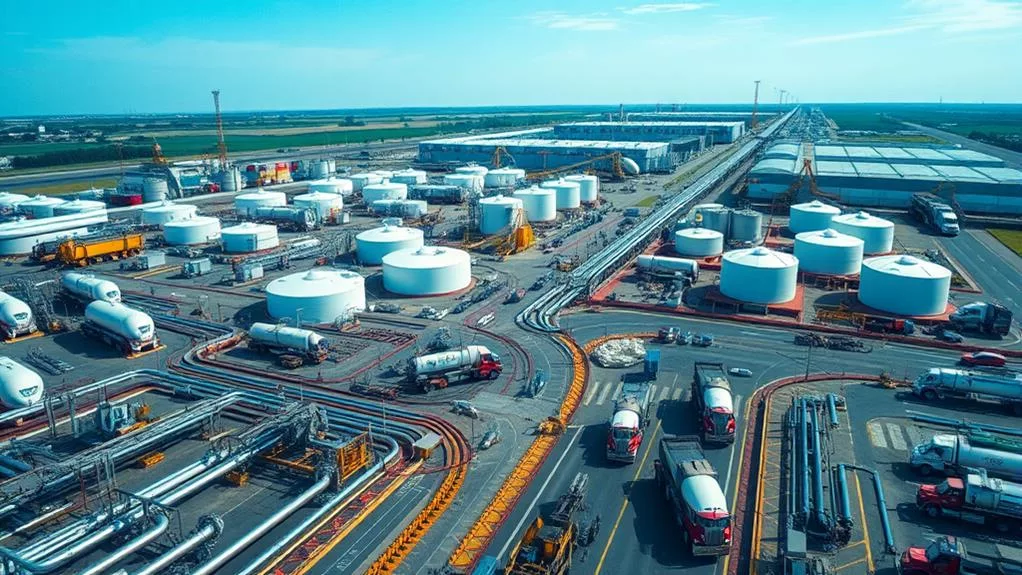
In the realm of fuel distribution, state-of-the-art technology plays an essential role in enhancing efficiency and sustainability. Demand forecasting, powered by artificial intelligence, refines inventory management, effectively preventing stockouts and surpluses.
GPS tracking and automated systems optimise delivery routes, significantly reducing fuel consumption while boosting fleet productivity. Predictive analytics and IoT sensors improve safety through threat identification, and AI models aid in preventing fraud and energy theft, reinforcing sustainable operations.
These technologies ensure not only operational excellence but also align with environmentally friendly practices and the industry's commitment to climate-conscious initiatives. Insights are on the horizon that will illuminate further advancements in this ever-evolving sector.
Demand Forecasting With AI
In the fast-changing energy sector, AI-driven demand forecasting has become crucial for optimising fuel distribution. AI-enhanced models accurately predict fuel consumption, allowing companies to adjust inventory levels effectively. These models utilise advanced machine learning algorithms that analyse historical data and market trends to anticipate demand fluctuations. This ensures efficient fuel distribution, preventing stockouts and minimising excess inventory, which is essential for maintaining distribution control.
AI-driven demand forecasting models offer a significant advantage in the industry, boosting operational efficiency and enabling substantial cost savings. Real-time data analysis is vital, facilitating timely and informed decision-making. Integrating AI into operations allows fuel distributors to generate precise demand predictions, ensuring their supply chains remain agile and responsive to market dynamics.
Incorporating AI into demand forecasting streamlines inventory management and fosters a sense of belonging among stakeholders who seek innovative and sustainable solutions. As technologies advance, the potential for optimising fuel distribution grows, reinforcing the importance of AI in shaping the future of the energy sector.
For instance, the use of platforms like SAS Demand-Driven Planning and Optimisation can help in accurately forecasting demand patterns. The adoption of such technology aligns with the pursuit of efficiency and sustainability within the sector.
GPS Tracking for Route Efficiency
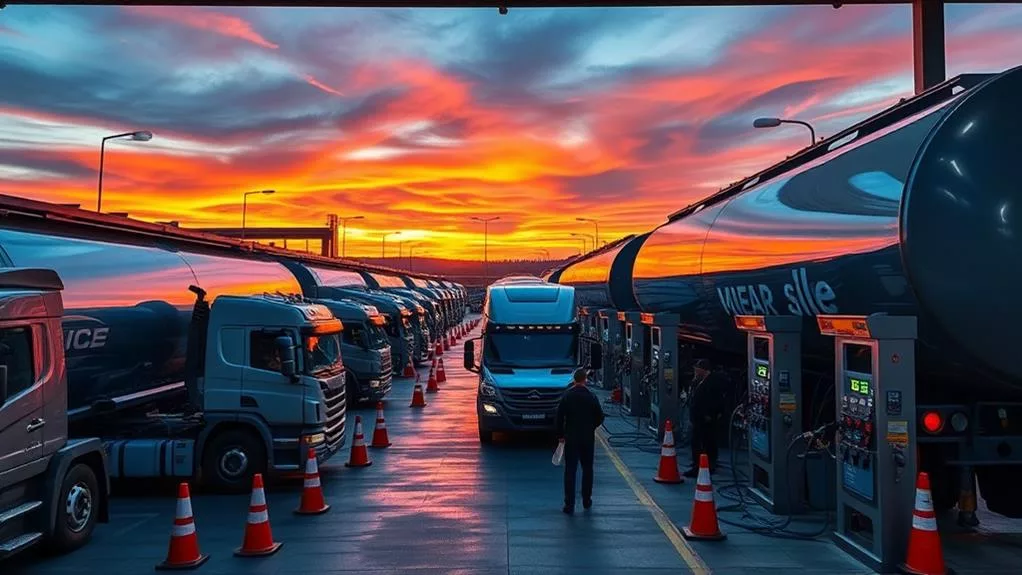
Utilising the power of GPS tracking systems transforms fuel distribution, optimising delivery routes through real-time location data. This advanced technology enables companies to pinpoint and take the most efficient routes, significantly reducing fuel consumption. Minimising unnecessary detours and ensuring direct paths are chosen enhances fleet productivity and ensures on-time deliveries, crucial for maintaining customer satisfaction and loyalty.
Monitoring vehicle movements in real-time expedites timely deliveries and leads to substantial cost savings. Reduced fuel consumption and improved operational efficiencies allow companies to allocate resources more effectively and invest in further improvements. GPS tracking provides a competitive advantage, allowing firms to swiftly respond to changes in delivery schedules or road conditions, maintaining a seamless supply chain.
Integrating GPS tracking systems into fleet management fosters a sense of belonging among employees, as drivers are equipped with the tools needed for efficient performance. This technology empowers them to contribute meaningfully to the company's success, reinforcing a collective goal of excellence in service delivery.
Embracing GPS tracking is a strategic step towards a more sustainable and efficient future in fuel distribution.
Automated Systems in Fuel Distribution
Automated systems revolutionise fuel distribution with advanced technologies like AI algorithms, IoT sensors, and robotic process automation. These innovations create an interconnected network that enhances both operational efficiency and safety standards.
AI algorithms enable predictive maintenance, drastically reducing downtime by anticipating equipment failures before they happen. This proactive strategy minimises disruptions and ensures uninterrupted supply chain logistics.
Real-time monitoring and automated route planning optimise the operations of fuel delivery vehicles. Analysing traffic patterns and road conditions, these systems determine the best routes, thus reducing fuel consumption and environmental impact. IoT sensors provide critical data for this real-time analysis, offering insights for informed decision-making.
Safety standards remain stringent with automated systems. Early detection and resolution of potential issues contribute to a safer work environment. Robotic process automation ensures consistent adherence to compliance protocols, reducing human error and boosting reliability. For fuel distributors, this leads to seamless operations that meet industry demands and foster a sense of community by prioritising efficiency and safety.
Data Analytics for Inventory Management
Effective data analysis revolutionises inventory management in fuel distribution, enabling distributors to optimise stock levels through insights from historical data, market trends, and demand patterns. Leveraging data analytics allows fuel distributors to anticipate demand fluctuations, ensuring they are neither overstocked nor understocked. This capacity is crucial for maintaining operational efficiency and fostering trust within the community of stakeholders.
Predictive analytics significantly enhances decision-making capabilities, providing timely insights into future demand. This foresight facilitates efficient inventory management, where inventory turnover is optimised, reducing holding costs and ensuring timely replenishment. Real-time monitoring aids in maintaining optimal stock levels, allowing distributors to react promptly to changes in demand.
Advanced data analytics tools streamline the flow of information, enabling distributors to make informed decisions that benefit the entire supply chain. Accurate demand forecasting and adjusting inventory strategies accordingly helps fuel distributors achieve superior operational efficiency. This not only optimises the distribution process but also strengthens the sense of belonging and partnership among stakeholders committed to excellence in fuel distribution.
Enhancing Safety Through Technology
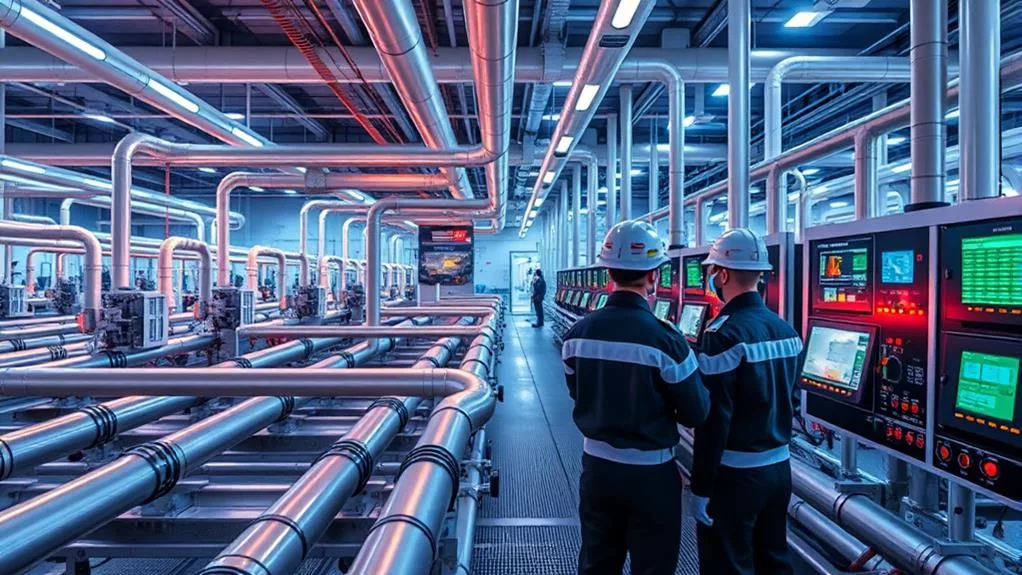
In the realm of fuel distribution, technology is paramount in boosting safety protocols, ensuring both operational security and environmental safeguarding. Artificial intelligence takes the lead, predicting equipment failures and identifying threats such as fires or gas leaks within fuel distribution systems. This sophisticated technology enables proactive measures, significantly reducing the risk of accidents and operational interruptions. Real-time monitoring enhances safety, pinpointing inconsistencies in tanks and pipelines, thereby allowing prompt action to avert potential hazards.
Machine learning models bolster this safety framework, detecting and preventing energy theft and fraud, which secures the integrity of fuel distribution systems. Organisations harness AI-driven insights to implement preventive strategies that curtail environmental damage and operational risks, fostering a secure and dependable energy distribution structure.
Furthermore, immersive training modules for personnel ensure that optimal safety practices are ingrained across operations, aligning the workforce with cutting-edge safety protocols.
Through these technological advancements, the industry not only elevates its safety standards but also cultivates a sense of unity among its workforce and stakeholders, united in the pursuit of a safer, more efficient fuel distribution ecosystem.
Environmental Sustainability Measures
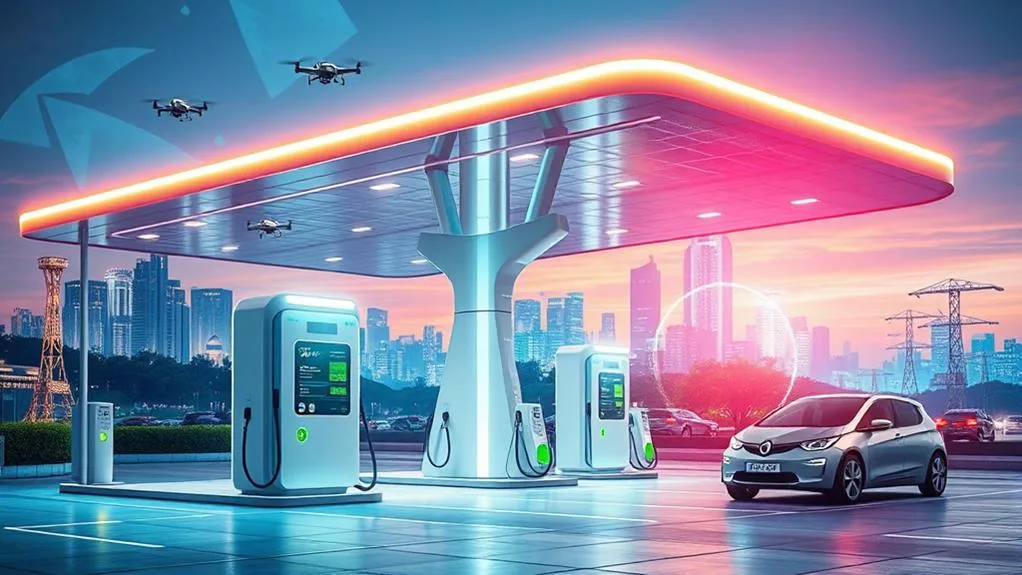
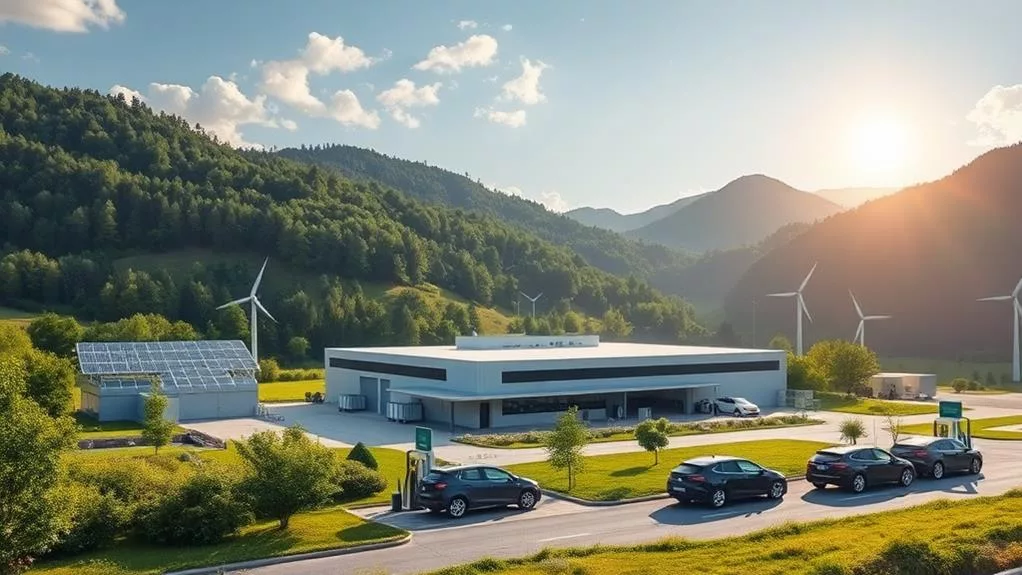
How can technology accelerate the transition towards a more sustainable fuel distribution network? Integrating AI technology into these systems is essential for promoting environmental sustainability. Incorporating eco-friendly practices, AI reduces emissions and decreases fuel wastage through precise route optimisation. This ensures a sustainable fuel distribution process and plays a crucial role in lowering the carbon footprint. As we strive for a greener future, AI-driven solutions have become indispensable for optimising routes, thereby reducing the environmental impact associated with traditional fuel distribution methods.
Fuel distribution control using AI offers a robust framework for diminishing environmental harm. Through intelligent data analysis, AI can predict and adjust fuel consumption and delivery processes, ensuring resources are utilised efficiently. These technological advancements not only enhance eco-friendly practices but also reinforce the industry's commitment to sustainable development.
Embracing AI enables companies to optimise routes to further support sustainability, ensuring fuel is delivered in the most efficient and environmentally conscious manner possible.