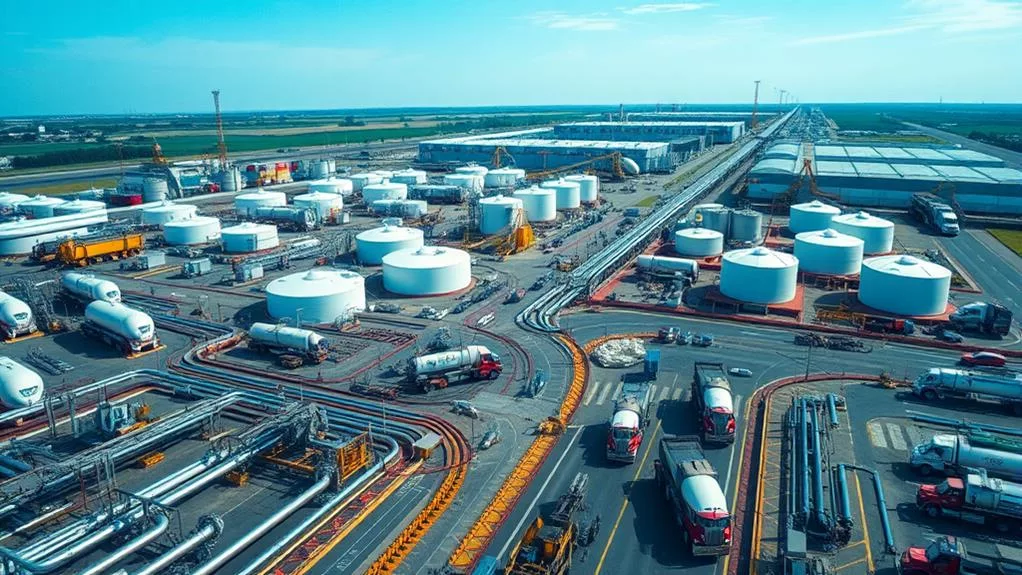
As businesses and consumers, we are constantly seeking to understand the complex factors that influence fuel and lubricant pricing. The global crude oil market, refining costs, distribution and marketing expenses, and taxes all play pivotal roles in determining the final price at the pump. However, navigating the intricacies of these factors can be challenging, especially when they are influenced by external factors. That’s where our expertise comes in. We aim to shed light on the nuances of fuel and lubricant pricing, providing valuable insights into why prices fluctuate and how they might evolve in the future.
One of the main challenges we face is understanding the interplay of these key drivers and how they impact pricing. The fluctuating global crude oil market is a major pain point for both businesses and consumers. Additionally, refining costs, distribution and marketing expenses, and taxes can all add complexity to the pricing equation. However, with our deep understanding of these factors, we can provide guidance and analysis to help navigate these challenges.
Whether you’re a business owner looking to optimize costs or a consumer trying to make sense of fluctuating prices, our insights will speak directly to your needs. We will use language and examples that resonate with you, building a connection and instilling confidence in our advice. So, let’s dive in and explore the intricate web of factors that impact fuel and lubricant pricing, addressing your questions and providing the information you seek.
Key Takeaways
- Crude oil prices are influenced by factors such as supply and demand dynamics, OPEC decisions, geopolitical events, and technological advancements.
- Fuel and lubricant pricing is tied to market fluctuations, driven by economic indicators and geopolitical events.
- Government regulations, including compliance costs, environmental standards, and changes in regulations, play a significant role in shaping fuel and lubricant pricing.
- Environmental standards and technological advancements in alternative energy sources have a substantial impact on the energy market and pricing dynamics.
Crude Oil Prices
Fluctuating widely and rapidly due to various factors such as supply and demand prospects, OPEC decisions, and geopolitical events, crude oil prices are a critical determinant in the fuel and lubricant pricing landscape. The impact of crude oil prices reverberates through the energy market, influencing the cost of gasoline, diesel, and other refined petroleum products. Factors such as technological advancements in extraction, economic growth, and political stability in major oil-producing countries significantly influence the demand and supply of crude oil. Additionally, the quality of oil plays a crucial role in its pricing, with ‘sweet crude’ commanding higher prices due to its ease of refinement and environmental compliance.
Market analysis of crude oil prices also reflects the influence of speculation, as trading of oil futures and market sentiments contribute to price volatility. Furthermore, temporary price fluctuations can be caused by various factors such as weather conditions, political disturbances, and supply chain disruptions. Understanding the complexities of crude oil pricing is essential for businesses and consumers alike, as it directly impacts the cost of energy and the broader economic landscape.
Supply and Demand Dynamics
The pricing of fuel and lubricants is heavily influenced by the dynamics of supply and demand. Fluctuations in price are often driven by shifts in demand, which can be impacted by factors such as fuel subsidies and the increasing number of vehicles in emerging markets. Additionally, supply chain disruptions and market fluctuations can also play a significant role in determining the pricing of fuel and lubricants.
Price and Demand
Regularly, the global demand for crude oil, which hovers around 90 million barrels per day, is a critical factor influencing fuel pricing in the oil market. The price of oil is significantly impacted by the delicate balance between supply and demand dynamics. Several factors contribute to this intricate relationship:
- Fuel subsidies in some countries heavily influence demand and pricing in the oil market.
- The increasing number of vehicles in countries like China and India drives up the demand for crude oil, impacting its pricing.
- Supply levels are kept slightly below demand, around one million barrels per day, affecting pricing dynamics in the oil market.
These factors, among others, play a crucial role in determining the price of oil and have a substantial impact on the global crude oil and gas market. According to the Energy Information Administration, these dynamics contribute to upward pressure on oil prices.
Supply Chain Impact
Supply and demand dynamics are pivotal factors in shaping the pricing of oil and gas within the global supply chain. The global economic growth and industrial activity significantly impact the demand for oil, thereby affecting its pricing. Imbalances in supply and demand, which can be influenced by technological innovations and geopolitical tensions, often lead to temporary price fluctuations. OPEC’s production decisions also play a crucial role in influencing global oil supply and pricing, especially through production cuts. To emphasize the impact of these factors, the table below illustrates the relationship between supply and demand dynamics and their influence on oil prices.
| Factors Influencing Oil Prices | Impact |
|---|---|
| Global Economic Growth | Increases or decreases the demand for oil |
| OPEC Production Decisions | Influences global oil supply and pricing |
This data-driven analysis provides insights into the complex interplay of factors that determine oil and gas prices in the global supply chain.
Market Fluctuations
Market fluctuations in fuel and lubricant pricing are intricately tied to supply and demand dynamics, which are pivotal factors shaping the global oil and gas supply chain. The current market analysis reveals several key points:
- Oil and gas prices are heavily influenced by demand and supply dynamics, with factors such as economic indicators and geopolitical events playing a significant role.
- Crude oil prices can experience rapid and wide fluctuations based on supply and demand prospects, often impacted by OPEC’s production cuts and global economic conditions.
- Temporary price fluctuations in oil prices, caused by factors like weather conditions and political disturbances, will stabilize as supply and demand reach equilibrium.
Understanding these market fluctuations is crucial for businesses and consumers to navigate the ever-changing landscape of fuel and lubricant pricing.
Regulatory Factors
Government regulations play a significant role in shaping the pricing of fuels and lubricants, with a range of factors coming into play. These factors include compliance costs, environmental standards, and changes in regulations that can directly impact production and distribution. Additionally, tax policies and international trade agreements further contribute to the intricate web of regulatory factors influencing the cost and availability of fuels and lubricants.
Government Regulations Impact
Influencing the overall cost for consumers, government regulations play a significant role in shaping the pricing of fuel and lubricants through taxes and fees. The impact of government regulations on oil and gas prices is profound, with federal, state, and local taxes contributing significantly to retail fuel pricing. Additionally, government policies and regulations can influence oil production, affecting supply levels and pricing. Environmental regulations also play a crucial role in shaping the market value of petroleum products, impacting fuel and lubricant pricing. Furthermore, variations in taxes across states directly affect gasoline prices, leading to different costs for consumers in different locations. As the energy landscape continues to evolve amidst factors such as the COVID-19 pandemic, economic growth, and the influence of OPEC and its allies, government regulations remain a key driver in shaping the pricing of fuel and lubricants in the United States.
Compliance Costs and Changes
Compliance costs and changes in regulations exert a significant impact on the pricing dynamics of fuel and lubricants within the industry. Regulatory factors play a crucial role in influencing the cost structure, supply chain, and market dynamics of these products. Changes in environmental policies and regulations can directly impact the production, distribution, and marketing of fuels and lubricants, leading to cost implications. Compliance with new regulatory standards often necessitates investments in new technologies or processes, affecting overall pricing. Moreover, regulatory changes can also lead to shifts in the sources of fuel and lubricant production, impacting pricing and availability. As a result, a comprehensive market analysis and financial review, incorporating energy data, are essential for understanding the intricate relationship between compliance costs, regulatory changes, and the pricing of gasoline, crude oil, and lubricants in the market.
Environmental Standards Influence
Environmental standards have a substantial influence on the demand for higher quality crude oil due to their profound impact on oil consumption. The influence of environmental regulations on fuel and lubricant pricing is significant. Here are three ways in which environmental standards impact the energy market:
- Compliance with environmental regulations can increase refining costs, affecting the overall pricing of petroleum products.
- Regulations promoting clean energy and reducing carbon emissions can affect the demand for oil and alternative fuels.
- Environmental disasters, such as oil spills, can lead to supply disruptions and impact oil prices.
These factors, combined with technological advancements in alternative energy sources, play a crucial role in shaping the demand for crude oil and, consequently, its pricing. Environmental standards are not only crucial for protecting the environment but also have a substantial impact on the energy market and pricing dynamics.
Market Competition
Local gasoline prices are heavily influenced by the level of competition among retail stations in the area. Market competition plays a pivotal role in determining pump prices, as it directly impacts the supply and demand dynamics of gasoline. Retail stations strategically set prices based on various market conditions, such as the number and location of competitors, energy data, oil futures, and the cost of doing business in a particular area. Additionally, factors like Gulf Coast Transportation, gasoline grades, and crude oil prices further contribute to the complex pricing structure.
To provide a clearer understanding of the impact of market competition on gasoline prices, the table below outlines the key factors at play:
| Factors Influencing Gasoline Prices |
|---|
| Number and location of competitors |
| Energy data and oil futures |
| Cost of doing business in the area |
This data-driven analysis underscores the intricate relationship between market competition and gasoline pricing, shedding light on the multifaceted nature of the industry’s pricing mechanisms.
Environmental Regulations
The evolving landscape of regulatory standards and policies significantly shapes the dynamics of the fuel and lubricant industry, impacting the demand for higher quality oil and driving technological advancements in alternative energy sources. Environmental regulations play a pivotal role in influencing fuel and lubricant pricing, with several key factors at play:
- Government Policies: Policies promoting clean energy can significantly impact oil consumption, thereby affecting the demand and pricing of gasoline and crude oil.
- Climate Change Concerns: The increasing focus on climate change and carbon reduction targets has the potential to influence oil prices, as it may lead to shifts in energy sources and consumption patterns.
- Technological Advancements: The development and adoption of alternative energy sources, driven by environmental regulations, can alter the demand for oil and natural gas, thereby impacting their prices.
These factors underscore the critical interplay between environmental regulations and fuel and lubricant pricing, making it essential for oil and gas investors and market analysts to closely monitor economic indicators and energy data to make informed decisions amidst the ever-changing regulatory landscape.
Technological Advancements
Advancements in technology have profoundly reshaped the landscape of the fuel and lubricant industry, revolutionizing extraction, production, and consumption processes. These technological advancements have significantly impacted fuel and lubricant pricing by altering supply and demand dynamics. The table below illustrates the key technological advancements and their specific impacts on the fuel and lubricant industry.
| Technological Advancements | Impact on Fuel and Lubricant Industry |
|---|---|
| Crude extraction technologies | Increased crude oil supply |
| Refining innovations | Enhanced production efficiency |
| Renewable energy developments | Altered traditional fuel demand |
| Electric vehicles and batteries | Future influence on fuel demand |
| Fuel efficiency and emissions | Altered energy consumption patterns |
These advancements have led to shifts in the energy landscape, affecting market analysis, financial data, and ultimately fuel and lubricant pricing. As technology continues to evolve, it will be crucial for industry stakeholders to stay informed about these changes and their implications for oil prices, supply and demand, and overall market dynamics.
Looking to enhance your operations with reliable energy solutions? Explore our specialised services: from Bulk Diesel Distribution and Fuel Management Services to On-Site Refuelling in Vryheid and Truck Stop Services. Request a Quote or Join Our Energy Network today for tailored solutions that keep your business moving!