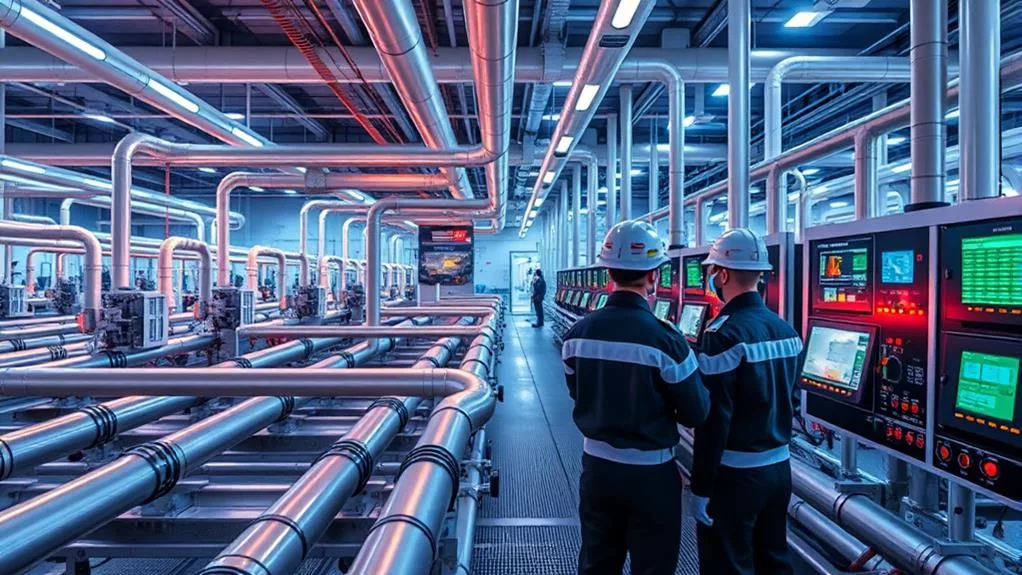
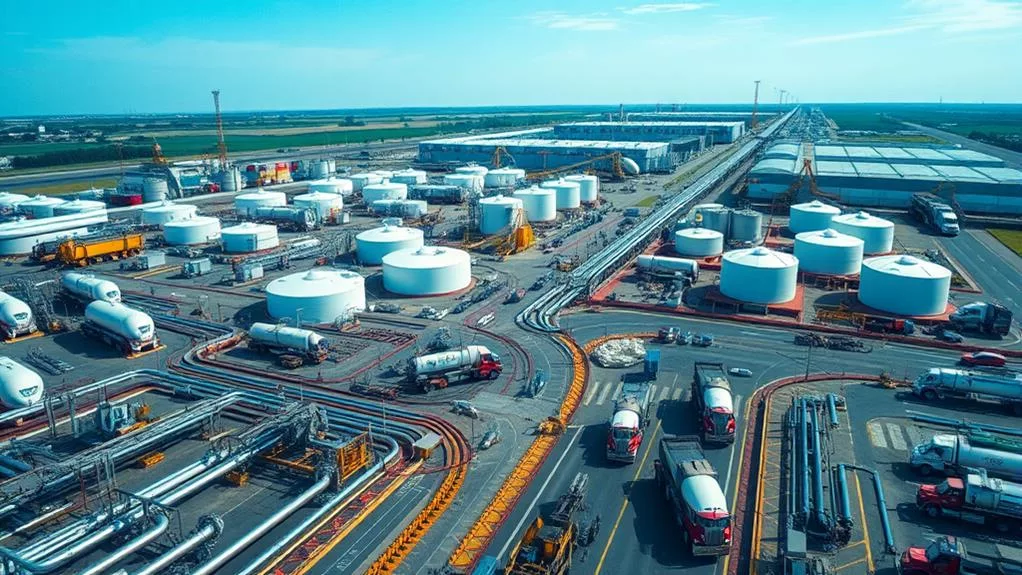
Safety is of paramount importance in the petroleum distribution industry, as it involves handling flammable and hazardous materials. According to recent statistics, accidents and incidents in petroleum distribution can result in significant financial losses, environmental damage, and, most importantly, harm to human lives. Therefore, it is crucial for companies like BB Energy to prioritize and implement effective safety measures throughout their operations.
This article aims to explore the various strategies and practices employed by BB Energy to ensure safety in petroleum distribution. It will examine key areas such as:
- Employee training and education
- Equipment maintenance and inspection
- Compliance with regulations and standards
- Safety communication and reporting
- Continuous improvement and innovation
Additionally, the article will explore the company’s engagement with the community and its commitment to environmental protection, highlighting the integral role these aspects play in maintaining a safe and sustainable petroleum distribution system.
By providing a comprehensive overview of BB Energy’s safety practices, this article aims to contribute to the broader discourse on safety in the petroleum distribution industry.
Key Takeaways
- BB Energy prioritizes safety and implements effective measures, focusing on employee training and education.
- Maintenance and inspection in petroleum distribution are crucial for equipment reliability and safety, ensuring preventive maintenance and adherence to manufacturer guidelines.
- Compliance with regulations and standards is important for employee safety and public trust, covering storage, handling, transportation, and disposal.
- Effective safety communication and reporting systems, along with continuous improvement and innovation, contribute to identifying and addressing risks in petroleum distribution.
Employee Training and Education
Employee training and education play a pivotal role in ensuring safety in the petroleum distribution industry. By providing employees with comprehensive training programs, companies can enhance their knowledge and skills, enabling them to perform their tasks safely and effectively. These training programs should cover various aspects of safety, such as handling hazardous materials, operating equipment, and responding to emergencies.
Additionally, employee engagement is crucial in maintaining a safe working environment. Regular safety meetings, open communication channels, and encouraging employees to report potential hazards or incidents can foster a culture of safety and accountability.
Performance evaluation is another essential component. Regular assessments of employees’ adherence to safety protocols and identification of areas for improvement can help maintain safety standards.
Overall, a well-trained and engaged workforce is paramount to ensuring safety in petroleum distribution.
Equipment Maintenance and Inspection
Ensuring the smooth operation of the machinery and facilities involved in the transportation and transfer of fuel requires vigilant monitoring and regular assessment, akin to a diligent gardener tending to their plants to prevent any potential disruptions or failures.
In the petroleum distribution industry, preventive maintenance is crucial to ensure equipment reliability. Regular inspections and maintenance activities, such as lubrication, calibration, and cleaning, help identify and address potential issues before they escalate into costly breakdowns or accidents.
Equipment reliability is achieved through a systematic approach that includes scheduled maintenance programs, adherence to manufacturer guidelines, and the use of advanced technologies for condition monitoring.
By investing in comprehensive preventive maintenance practices, petroleum distribution companies can minimize downtime, optimize operational efficiency, and enhance safety by mitigating the risks associated with equipment failures.
Compliance with Regulations and Standards
Achieving compliance with industry regulations and standards is paramount in maintaining the integrity and reliability of equipment involved in the transportation and transfer of fuel, fostering a culture of accountability and responsibility.
Regulatory compliance ensures that petroleum distribution companies adhere to specific laws and regulations put in place by governing bodies to protect public safety and the environment. These regulations encompass various aspects such as storage, handling, transportation, and disposal of petroleum products.
Additionally, industry standards provide guidelines and best practices for equipment maintenance, inspection, and operation. By adhering to these standards, companies can ensure that their equipment meets the necessary requirements for safe and efficient fuel distribution.
Compliance with regulations and standards not only safeguards the well-being of employees and the public but also helps build trust and confidence in the industry as a whole.
Safety Communication and Reporting
A crucial aspect of maintaining a safe and accountable environment in the fuel industry involves effective communication and reporting on safety incidents and concerns. Incident prevention is a priority in the petroleum distribution sector, and a strong safety culture is essential to achieve this.
Safety communication plays a vital role in identifying and addressing potential risks, as well as promoting a sense of responsibility and accountability among employees. By encouraging open lines of communication, organizations can ensure that safety concerns are promptly reported and addressed.
Reporting mechanisms, such as incident reporting systems, provide a structured approach for employees to document safety incidents and near misses. These reports are then analyzed to identify trends and implement corrective actions, further enhancing safety practices.
Overall, effective safety communication and reporting contribute to a proactive approach in maintaining a safe and secure petroleum distribution environment.
Continuous Improvement and Innovation
Continuous improvement and innovation are key drivers for the advancement and evolution of processes and practices within the fuel industry, fostering enhanced efficiency, productivity, and adaptability.
In the petroleum distribution sector, continuous improvement involves constantly reviewing and refining existing practices to identify areas for enhancement. This may include streamlining operations, optimizing logistics, and implementing new technologies to improve safety and reliability.
Technological advancements play a crucial role in this process, as they offer opportunities for automation, real-time monitoring, and data analysis. For example, the use of advanced sensors and IoT devices can provide accurate and timely information about fuel storage conditions, ensuring compliance with safety regulations.
Additionally, continuous improvement and innovation allow companies to stay ahead of emerging risks and challenges, fostering a culture of proactive safety management in petroleum distribution.
Community Engagement and Environmental Protection
Engagement with local communities and commitment to environmental protection are crucial aspects in the fuel industry, as companies strive to minimize their impact on ecosystems and foster positive relationships with the surrounding areas.
- Community involvement: Petroleum distribution companies actively engage with local communities to understand their concerns and address any issues related to their operations. This may involve conducting regular meetings, establishing communication channels, and seeking feedback from community members.
- Waste management: Environmental protection is a top priority for petroleum distribution companies. They implement efficient waste management practices to minimize pollution and ensure proper disposal of hazardous materials. This includes implementing recycling programs, using advanced technology for waste treatment, and adhering to strict regulatory guidelines.
- Ecosystem preservation: Petroleum companies recognize the importance of protecting the environment and work towards preserving ecosystems surrounding their facilities. This may involve implementing measures to minimize air and water pollution, conserving natural resources, and supporting initiatives for biodiversity conservation.
By actively engaging with local communities and prioritizing environmental protection, the petroleum distribution industry aims to create a positive impact on the communities they operate in and foster a sense of belonging among stakeholders.
Frequently Asked Questions
What are the specific training programs and certifications required for employees working in petroleum distribution?
In order to ensure safety and compliance in petroleum distribution, employees are required to undergo specific training programs and obtain certifications. These programs cover equipment maintenance, inspections, safe operation, facility regulations, and incident reporting. Communication and adherence to local, state, and federal regulations are essential. Additionally, employees are trained in safety practices, innovation, and industry initiatives to promote a secure working environment.
How often are equipment maintenance and inspections conducted to ensure the safe operation of petroleum distribution facilities?
Equipment maintenance and inspections in petroleum distribution facilities are regularly conducted to ensure safe operations. These routine procedures help identify and address potential issues, minimizing the risk of accidents and ensuring the overall safety of the facilities.
What steps does the company take to ensure compliance with local, state, and federal regulations regarding petroleum distribution?
To ensure compliance with local, state, and federal regulations regarding petroleum distribution, BB Energy implements a range of compliance measures and regulatory adherence practices. These measures include regular inspections, audits, training programs, and documentation to ensure adherence to all applicable regulations.
How is safety information and incident reporting communicated to employees within the company?
Safety communication and incident reporting at BB Energy involves clear and concise dissemination of information to employees. This ensures that employees are well-informed about safety protocols and can promptly report any incidents, contributing to a safe working environment.
What initiatives are in place to continuously improve safety practices and promote innovation within the petroleum distribution industry?
Safety innovation and continuous improvement practices are crucial in the petroleum distribution industry. Companies prioritize safety training to ensure the well-being of employees and promote the use of innovative technologies and strategies to enhance safety practices.
Looking to enhance your operations with reliable energy solutions? Explore our specialised services: from Bulk Diesel Distribution and Fuel Management Services to On-Site Refuelling in Vryheid and Truck Stop Services. Request a Quote or Join Our Energy Network today for tailored solutions that keep your business moving!