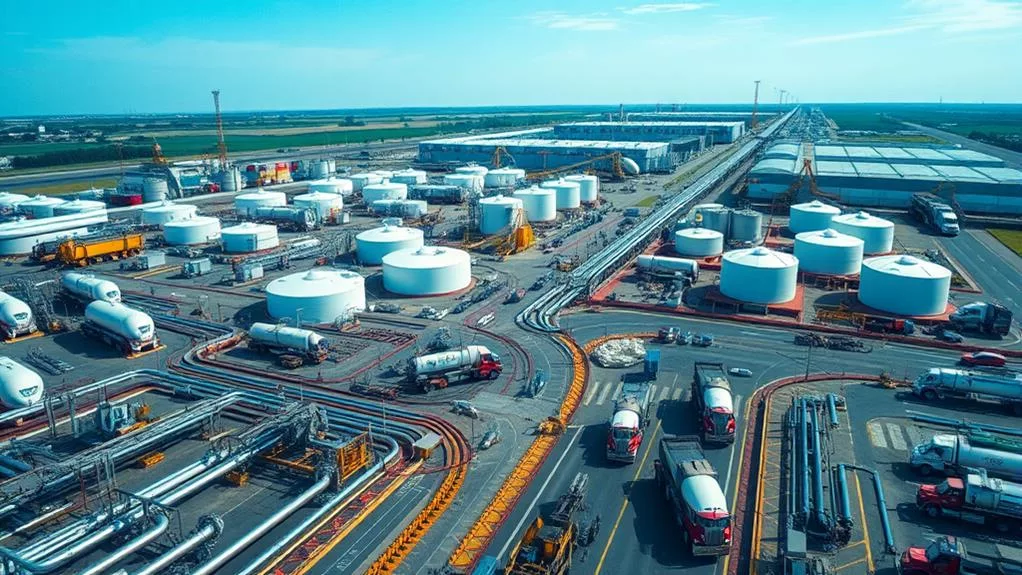
Ensuring compliance with critical safety standards in farm fuel handling effectively reduces the risks of fires, explosions, and environmental hazards. Observing OSHA and EPA regulations is essential, and recognising the distinct dangers posed by petrol, diesel, and propane is crucial. Proper storage methods, such as using approved containers and maintaining a safe distance from buildings, further enhance safety. Regular training guarantees that workers are well-informed about equipment and spill management.
Emphasising the prevention of static electricity and the maintenance of fuel storage tanks contributes to maintaining safety and operational efficiency.
Further examination of this topic provides more insights into safe fuel handling practices.
Importance of Safe Fuel Handling
How important is it to prioritise safe fuel handling on farms? It is crucial. Safe fuel handling is not just about compliance; it is a fundamental practice that safeguards the entire farming community. Minimising the risk of fires, explosions, and environmental contamination plays a vital role in protecting farm workers, livestock, and essential equipment. Handling and storing fuel demands meticulous attention to safety standards, which help reduce the likelihood of accidents and injuries.
Adhering to safety protocols goes beyond following rules; it cultivates a culture of safety that reinforces belonging and trust within the agricultural community. When farms prioritise safe fuel handling, they contribute to a secure environment that enhances operational efficiency and sustainability. This dedication ensures farms can function smoothly, free from disruptions caused by fuel-related hazards.
Maintaining the integrity of the farm through proper fuel handling practices instils confidence among workers and stakeholders. It is a shared responsibility that binds the community together, ensuring everyone on the farm can carry out their duties without fear of preventable accidents.
Understanding Fuel Types and Risks
Understanding the various fuel types and their associated hazards is crucial for maintaining safety on farms. Each fuel type—petrol, diesel, and propane—presents distinct risks that require careful management. Petrol, known for its low flashpoint, is highly flammable and necessitates strict safety procedures to mitigate fire hazards. Handling petrol demands that all farm workers are aware of its volatile nature and are well-trained in the correct safety protocols.
Diesel is less flammable than petrol, yet it can still present considerable risks if improperly handled. Adhering to proper handling procedures and recommended storage methods is essential to prevent accidents.
Propane also requires meticulous attention to safety protocols, as improper handling can result in leaks or explosions.
Farm workers must be well-versed in equipment manuals and equipped with spill kits to effectively manage any incidents involving these fuels. This preparedness fosters a sense of security and ensures workers can handle potentially hazardous situations. Farms can significantly reduce the inherent risks associated with these flammable substances through approved storage methods and ensuring proper ventilation.
Proper Storage Practices
Correct storage practices in farm fuel handling are crucial for safety and accident prevention. Proper fuel storage reduces risks of fire, spills, and contamination, safeguarding both people and property. Diesel fuel and other farm fuel storage tanks should be positioned at least 15 metres away from buildings. This distance lessens fire hazards and improves safety for agricultural communities. Above-ground storage solutions allow for easy monitoring and maintenance, contributing to a safer environment.
Using approved containers for storage and dispensing is essential. Limiting portable containers to 20 litres ensures manageable quantities, reducing the risk of accidents during handling. Grounding and bonding bulk drums during fuel dispensing prevent static electricity build-up, an important safety measure to avert potential fires. Safety cans at the point of use promote controlled handling, ensuring fuel remains secure and spill risks are minimised.
Storage areas should be equipped with fire extinguishers within specified distances to ensure preparedness for emergencies. Adhering to these practices, farm operators foster a safer environment, aligning with community values and demonstrating commitment to collective safety and well-being.
Regulatory Compliance and Standards
Adhering to regulatory compliance and standards is crucial for the safe handling and storage of farm fuels. Compliance with established guidelines, such as those from OSHA and the EPA, is not only a legal obligation but also a responsibility towards minimising environmental impact and safety risks. Understanding the complex framework of local, state, and federal regulations allows farm operators to manage fuel handling protocols effectively, ensuring their practices meet the highest safety standards.
Integrating these standards into daily operations helps farms significantly reduce the potential for accidents and environmental harm. Regular training on regulatory compliance is essential, equipping farm workers with the necessary knowledge and skills to navigate the complexities of fuel handling safely. This ongoing education fosters a culture of safety and responsibility, enhancing the comprehensive well-being of the farm community.
Emphasising regulatory compliance and adherence to industry standards reinforces a secure work environment. This commitment to safety protects individuals and strengthens the community’s trust in the farm’s operations. Prioritising regulatory compliance and standards demonstrates a farm’s dedication to sustainable practices and collective safety, fostering a sense of belonging and shared purpose among all stakeholders.
Safety Measures for Fuel Handling
Building on the foundation of regulatory compliance and standards, implementing effective safety measures for fuel handling is crucial to safeguarding farm operations. Preventing static electricity buildup during fuel transfers is essential. Grounding and bonding containers minimise this risk, reducing the potential for fires or explosions. This proactive approach is vital for maintaining a secure environment and ensuring the safety of all farm personnel involved in fuel handling.
Heavy-duty metal safety cans with automatic closing caps enhance safety. These cans are robust enough to withstand rigorous use while preventing accidental spills and leaks. Flash-arresting screens fitted to safety cans are crucial for fire prevention, effectively blocking sparks that could ignite fuel vapours. Proper labelling of all fuel containers is equally important, ensuring that contents are easily identifiable and reducing the likelihood of mishandling.
Storing fuel in well-ventilated areas is an indispensable safety measure. Ventilated storage helps dissipate harmful fumes and minimises the risk of ignition. Adhering to these thorough safety practices cultivates a sense of responsibility among team members, prioritising safety and efficiency in fuel handling.
Emergency Preparedness and Response
Effective emergency preparedness and response are essential elements of farm fuel handling safety. A comprehensive spill response plan should be developed, ensuring immediate action during fuel emergencies. This plan must address potential scenarios, enabling workers to respond effectively. Regular training sessions educate staff on proper emergency procedures, fostering a culture of safety and preparedness.
Accessibility is crucial in emergencies. Ensure emergency eyewash and shower stations are easily accessible to reduce harm from accidental fuel exposure. These stations should be strategically located and maintained for prompt decontamination.
Also, a well-equipped first aid kit on-site is vital for the quick treatment of injuries related to fuel handling. This readiness prioritises the wellbeing of the team.
Prominently display emergency contact numbers to ensure swift assistance during crises. Update these numbers regularly, ensuring all personnel are familiar with them. When everyone is informed and equipped, the farm community effectively manages emergencies, reinforcing a sense of belonging and shared responsibility in safeguarding one another.
Best Practices for Maintenance
Consistent maintenance is crucial for ensuring the safety and efficiency of farm fuel handling operations. Central to this practice is the upkeep of fuel storage tanks, which is essential for preventing leaks, corrosion, and environmental harm. Scheduled inspections allow farmers to detect potential issues like cracks, rust, and faulty components before they escalate into major problems. These inspections not only protect the integrity of fuel storage systems but also foster a sense of security and community among farm operators, who recognise the importance of collective vigilance.
Prompt repairs and necessary upgrades are key to enhancing the safety and efficiency of farm fuel storage systems. Addressing these needs in a timely manner helps maintain optimal performance, extend the lifespan of storage tanks, and ensure compliance with regulations. Adhering to these regulations reduces the risk of accidents, spills, and costly repairs, creating a safer and more sustainable environment for all involved in farm fuel handling operations.
Adopting best practices for maintenance cultivates a culture of responsibility and belonging within the farming community, emphasising the shared commitment to safety and environmental stewardship.
Looking to enhance your operations with reliable energy solutions? Explore our specialised services: from Bulk Diesel Distribution and Fuel Management Services to On-Site Refuelling in Vryheid and Truck Stop Services. Request a Quote or Join Our Energy Network today for tailored solutions that keep your business moving!