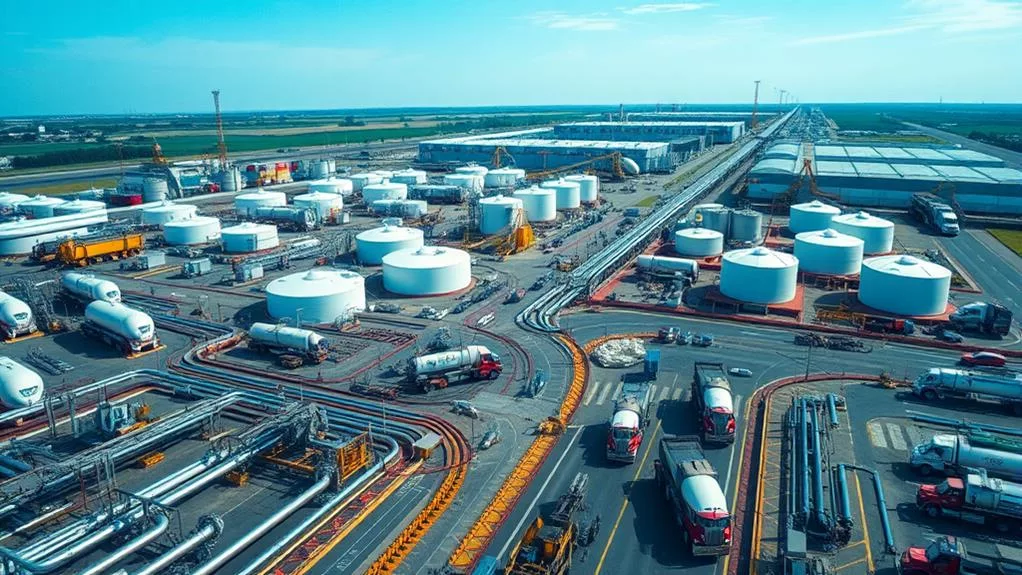
Government regulations regarding farm fuel usage include tax exemptions, safety standards, and stringent compliance requirements, all designed to promote efficient and safe agricultural practices. Tax exemptions, which vary from one state to another, require meticulous record-keeping to verify agricultural usage. Safety standards highlight the importance of regular maintenance and comprehensive employee training. Local regulations specify storage tank sizes and mandate frequent inspections to prevent environmental hazards. Adhering to strict fuel storage and inspection protocols ensures safety and environmental protection.
Compliance not only reduces operational costs but also demonstrates a commitment to community and environmental stewardship. Gaining further understanding of these aspects can enhance agricultural operations.
Farm Fuel Tax Exemptions
Navigating state-specific regulations can be challenging, but understanding farm fuel tax exemptions is vital for agricultural businesses aiming to optimise their operational expenses. These exemptions, differing across states, are intended to alleviate the financial burden on farmers by reducing tax obligations related to agricultural fuel purchases. Farmers must comply with protocols that often require securing the necessary permits and licences.
Eligibility for farm fuel tax exemptions requires proof of agricultural use, ensuring fuel is used solely for farming activities. This highlights the importance of maintaining accurate records and documentation, which serve as evidence during audits or applications for exemptions.
Demonstrating compliance with state regulations allows agricultural businesses to greatly lower their operational costs, enhancing overall profitability.
Understanding these regulatory frameworks fosters a sense of belonging within the agricultural community, as farmers work together to optimise financial strategies. Prioritising compliance and eligibility secures fiscal advantages and contributes to a shared commitment to sustainable and efficient agricultural practices.
Safety Standards for Fuel Use
While understanding farm fuel tax exemptions can significantly reduce operational costs, ensuring safety in fuel use is equally crucial for safeguarding both farm resources and personnel. Safety standards involve detailed fuel storage and handling procedures designed to prevent accidents and environmental harm. Regular maintenance of fuel tanks, pipes, and fittings is necessary to prevent leaks and potential hazards, ensuring a secure farm environment.
Equipping workers with appropriate safety gear and providing thorough training on equipment operation are crucial steps in promoting a culture of safety. Emergency response plans are vital, offering personnel clear guidelines during unforeseen incidents. Implementing emergency plans and having firefighting equipment readily available further strengthen the farm’s readiness to handle emergencies.
The installation of backup containment systems in fuel transfer areas serves as a crucial measure to prevent spills and leaks, thereby protecting both workers and the surrounding environment. Proper disposal procedures are also essential to maintaining safety standards, preventing contamination, and complying with environmental regulations. By integrating these important safety measures, farms not only meet regulatory requirements but also create a safer, more inclusive community for all involved.
Local Compliance Requirements
Understanding regional regulations for farm fuel use is crucial for farm operators to maintain legal and environmental integrity. These regulations often stipulate storage tank size limits, ensuring that tanks do not exceed capacities that could pose safety or environmental risks. Many areas require regular inspections of fuel storage tanks to ensure compliance with safety standards, further protecting the community and natural surroundings.
In certain counties, restrictions on fuel types dictate which fuels may be stored on farms. This is to prevent potential environmental hazards and align with regional sustainability goals. Additionally, local distance rules may require fuel storage tanks to be situated a specific distance from water sources to reduce contamination risks, supporting environmental protection efforts.
Compliance with these regional requirements is not merely a regulatory obligation but a commitment to community well-being and environmental stewardship. Violations can lead to severe penalties impacting both financial stability and community standing. Understanding and adhering to regional rules is indispensable for farm operators.
Staying informed and proactive in meeting these regulations fosters a sense of belonging and responsibility within the agricultural community.
Fuel Storage Regulations
Farm fuel storage regulations vary significantly across regions and depend on the type of fuel stored. Adhering to these regulations is crucial for minimising the risk of accidents and spills, protecting the environment, and ensuring the safety of farm workers. Proper fuel storage on farms necessitates following specific guidelines, including the implementation of backup containment systems designed to prevent leaks and reduce environmental harm.
Ignoring these fuel storage regulations can result in substantial fines and penalties, highlighting the need for understanding and compliance. Ensuring adherence allows farm owners to avoid financial consequences and contribute to a safer, more sustainable agricultural community.
Key aspects of compliance involve regular maintenance and inspections of fuel storage tanks. These practices are vital for identifying wear and tear that could lead to leaks or spills.
Effective backup containment systems, such as double-walled tanks from leading manufacturers like Enduramaxx, serve as proactive measures to protect against environmental damage. Complying with these regulations shows a farm operator’s commitment to responsible, environmentally conscious operations, fostering a sense of belonging within a community that values sustainability and safety.
Inspection and Maintenance Protocols
Regular inspection and maintenance protocols are essential components of effective fuel storage management on farms. These practices ensure the integrity and safety of fuel tanks, pipes, and fittings, detecting leaks and damages that could lead to environmental harm or regulatory penalties.
Frequent corrosion checks are crucial in preventing fuel leaks and ensuring the longevity of farm storage systems. Identifying and addressing potential issues early allows farmers to maintain a secure environment and demonstrate a commitment to sustainable practices.
Proper labelling of fuel tanks is both a best practice and a legal requirement, preventing mix-ups and ensuring compliance with safety and environmental regulations. Accurate labelling is a straightforward measure to prevent costly errors and maintain safety standards.
Comprehensive records of all inspections, maintenance activities, and fuel deliveries form the foundation of compliance efforts. These records are vital for demonstrating adherence to regulations and can be crucial in audits or inspections.
A structured schedule for inspections, maintenance, and record-keeping fosters a culture of diligence and responsibility. Such structured storage practices guarantee safety and compliance while cultivating a sense of community and shared responsibility among farming professionals.
Looking to enhance your operations with reliable energy solutions? Explore our specialised services: from Bulk Diesel Distribution and Fuel Management Services to On-Site Refuelling in Vryheid and Truck Stop Services. Request a Quote or Join Our Energy Network today for tailored solutions that keep your business moving!