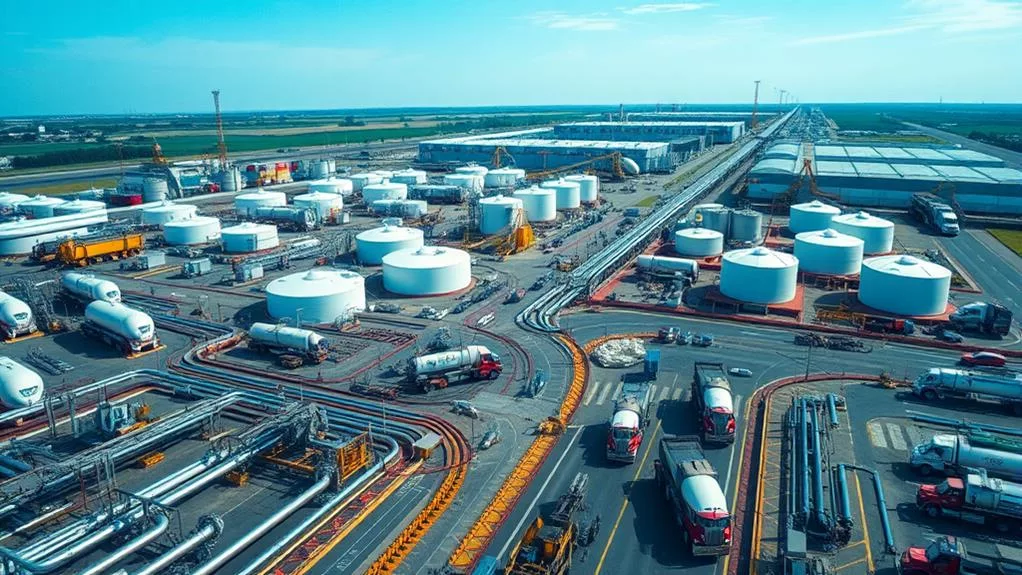
To ensure optimal fuel storage for farms, it is essential to focus on maintaining fuel quality, machinery performance, and safety. Implement authorised tanks—such as dual-layered steel for above-ground and fibreglass for underground diesel storage. Regular maintenance and monitoring can prevent leaks and spills, while biocides and stabilisers preserve fuel quality. Employ safety protocols like grounding equipment, proper labelling, and ensuring spill kits are easily accessible. Consider environmental compliance with tanks located away from water sources and install backup containment.
For improved operational efficiency, recognise the benefits of consistent tank inspections and emergency response plans. Consider additional strategies for robust fuel management.
Importance of Proper Fuel Storage
Proper fuel storage holds significant importance on farms due to its impact on fuel quality, machinery performance, and safety. Within the agricultural community, where machinery dependence is vital, maintaining high fuel standards is essential. Using approved storage tanks prevents fuel degradation, ensuring equipment remains operational and efficient. This practice not only protects investment in machinery but also promotes a sense of security and unity among farm operators prioritising shared safety standards.
Regular maintenance and monitoring routines are key to effective fuel management. Conducting inspections and ensuring proper labelling helps prevent potential leaks or spills, reinforcing a culture of safety and responsibility. Such diligent practices maintain seamless equipment operation, reducing the risk of costly downtime and production losses.
Employing fuel stabilisers and filtration systems serves as a proactive measure to extend the lifespan of stored petrol and diesel. This approach conserves resources and aligns with the collective aim of sustainable farming practices. Following recommended storage guidelines enhances operational efficiency, benefiting the agricultural community as a whole.
For instance, using the Piusi Three-Stage Filter System can effectively remove water and particulates, ensuring cleaner fuel. Additionally, the STA-BIL Fuel Stabiliser is highly recommended for prolonging the usability of stored fuel. Adhering to these practices not only improves machinery life but also contributes to environmental sustainability within farming operations.
Gasoline and Diesel Storage Options
Selecting suitable gasoline and diesel storage solutions is essential for preserving fuel integrity and ensuring safety on the farm. Steel above-ground storage tanks are highly recommended for storing petrol due to their durability and ease of access. These tanks help prevent spills or leaks, thereby maintaining fuel quality and protecting the farm environment.
Diesel fuel benefits from underground storage with fibreglass tanks, offering excellent protection from the elements and maintaining optimal conditions for long-term storage.
To prolong the life of petrol and diesel, addressing potential microbial growth is vital to prevent compromised fuel quality and equipment damage. Regular treatments with biocides are effective in keeping fuels clean and usable. Fuel stabilisers like STA-BIL can significantly delay oxidation reactions, particularly for petrol, which ideally should be used within a month of purchase.
An emergency response plan is critical in case of a fuel spill or leak. This highlights the importance of proper storage and promotes a sense of community responsibility and safety among farm operators.
Safety Protocols for Fuel Handling
Ensuring the safe handling of fuel on farms is crucial for protecting both the environment and farm personnel. Effective safety protocols around fuel storage tanks are necessary to maintain a secure and efficient farm operation. Grounding equipment near storage areas reduces static electricity buildup, significantly decreasing the risk of sparks igniting petrol and diesel fuels.
Proper labelling of farm fuel tanks and containers with the purchase date and type of fuel supports accurate tracking and monitoring, ensuring that farm operations remain safe and efficient.
Farm personnel should always wear appropriate personal protective equipment (PPE) when handling fuel. This practice minimises exposure risks and ensures the well-being of everyone involved in fuel handling operations. Spill cleanup kits should be readily accessible near fuel storage areas. This preparedness allows for swift responses to any accidental spills or leaks. Recommended products include the Spill Kit Oil and Fuel 120 Litre, priced at approximately 1,200 Rand, which provides essential materials for effective spill response.
Regular maintenance checks for both fuel storage tanks and machinery are essential. These checks help prevent potential issues, ensuring that all equipment operates at peak performance and adheres to established safety protocols. The use of quality products, such as the Sealey Fuel Tank Filter System, aids in maintaining fuel purity and equipment efficiency.
Choosing the Right Fuel Tanks
When considering fuel storage solutions for agricultural operations, selecting the appropriate fuel tank is crucial. This process should prioritise safety, efficiency, and durability, ensuring that the tanks fulfil the farm's specific needs.
For above-ground storage, double-walled steel tanks are recommended due to their robustness and effective leak protection. It is essential to monitor fuel regularly as steel tanks can suffer from internal corrosion, potentially leading to microbial growth if not properly maintained.
For underground storage, fiberglass tanks are ideal. They are inherently resistant to corrosion, minimising the risk of contamination and ensuring long-term fuel quality. When deciding on the type of fuel tank, consider the fuel type to prevent any adverse reactions or damages. Regular inspections for signs of damage are crucial to maintain the storage system's integrity.
Specific examples include the Enduramaxx double-walled steel tanks for above-ground needs, known for their leak protection. For underground requirements, Xerxes fiberglass tanks are a suitable choice due to their corrosion resistance. These options can be priced competitively in South African Rand, depending on the capacity and specifications required.
Managing Fuel Quality and Longevity
Maintaining fuel quality and ensuring its longevity are critical for efficient farm management. Proper storage and handling are necessary to prevent degradation, which can interrupt farm operations and increase expenses. Regular monitoring of fuel levels is crucial, as low levels may cause condensation and microbial growth. Consistent maintenance of storage tanks is essential to avoid these issues, and using biocides effectively combats microbial contamination.
To extend fuel life, consider using stabilisers such as Lucas Fuel Treatment, which can hinder oxidation chain reactions. Petrol should ideally be used within a month of purchase, though it can last up to six months in optimal conditions.
Diesel, when kept clean, cool, and dry, remains viable for 6-12 months. Ensuring tanks are installed according to local regulations further helps maintain fuel integrity.
Compliance With Regulations and Standards
Following fuel storage regulations and standards is crucial for farm operators to maintain compliance and avoid potential penalties. In Pennsylvania, regulations from the Department of Environmental Protection (PA DEP) require certified installers, leak detection systems, and annual fees for tanks over 1,100 gallons. This ensures tanks are well-maintained to prevent hazardous leaks or spills.
Above-ground tanks with flammable liquids over this capacity must also comply with specific regulatory requirements.
Tanks storing heating oil and propane are exempt from certain regulations. However, farm operators should check local ordinances and insurance requirements for full compliance.
For underground tanks containing motor fuels over 110 gallons, adherence to state regulations is necessary.
Monitoring and maintaining storage systems, including shielding them from direct sunlight to prevent overheating, is essential. Farm operators must ensure all storage practices align with the latest safety standards. This provides peace of mind and fosters a sense of belonging within the agricultural community. Diligently following these guidelines allows farms to operate safely and sustainably.
Looking to enhance your operations with reliable energy solutions? Explore our specialised services: from Bulk Diesel Distribution and Fuel Management Services to On-Site Refuelling in Vryheid and Truck Stop Services. Request a Quote or Join Our Energy Network today for tailored solutions that keep your business moving!