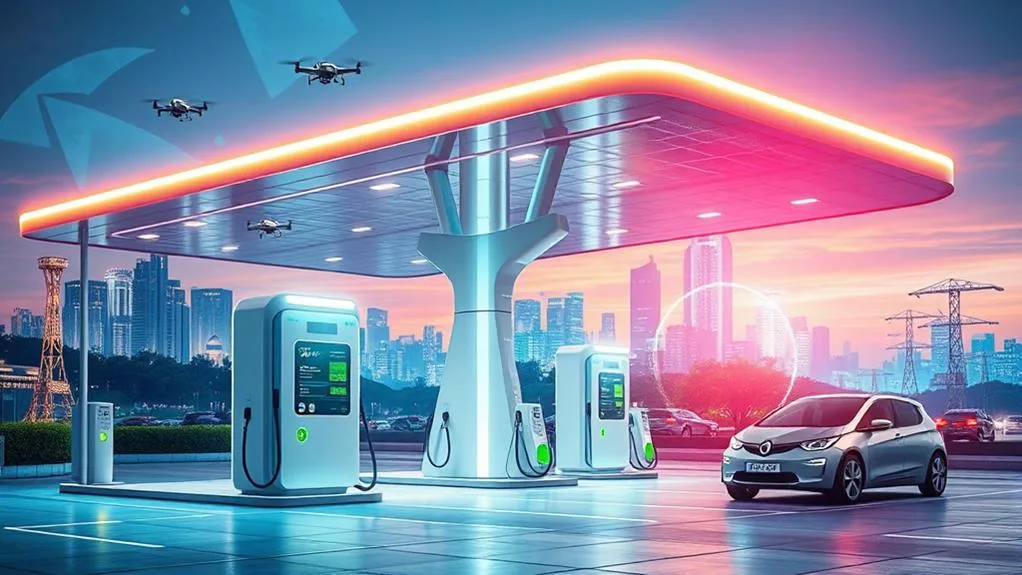
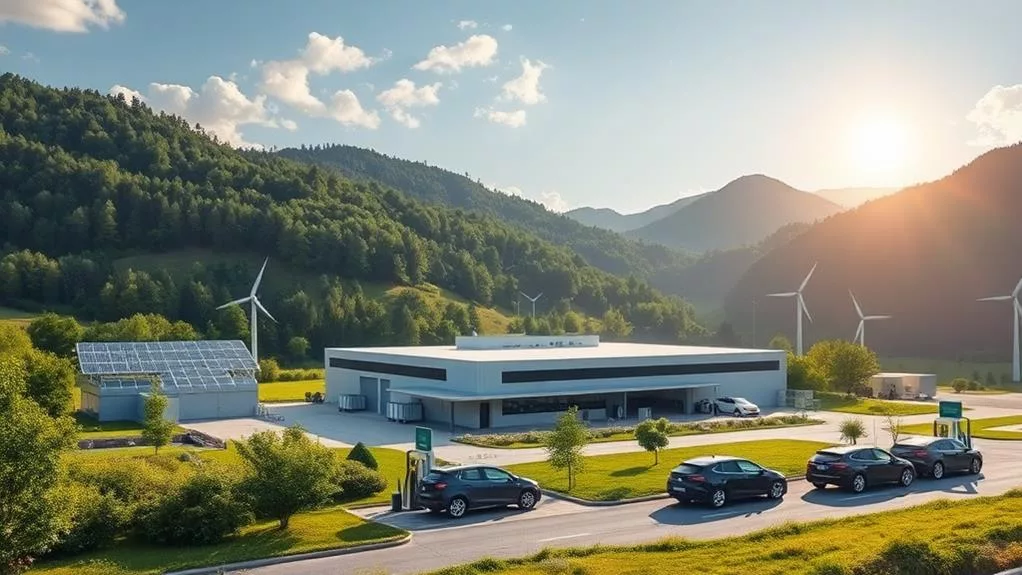
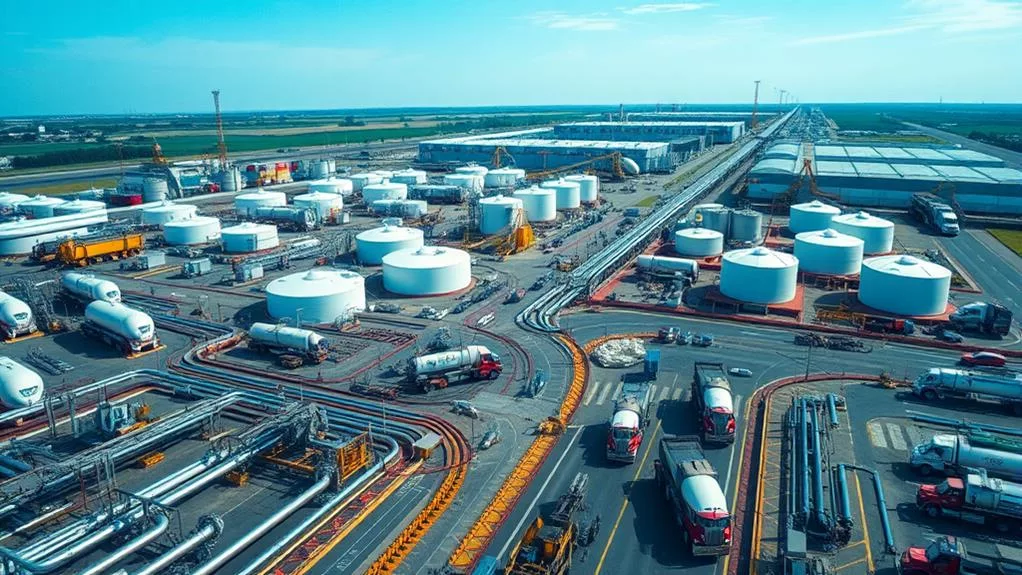
Reliable fuel for agricultural generators is essential to sustain operations during power outages. Diesel and propane are favoured for their durability and cost-effectiveness, with diesel providing quick activation and notable fuel efficiency. Propane is a clean-burning, stable choice that reduces greenhouse gas emissions and offers continuous power. Natural gas is an eco-friendly alternative, with reduced emissions and quiet operation, connecting directly to pipelines for safety.
Hybrid systems, which combine diesel, natural gas, and renewables, present efficient and sustainable energy solutions. Proper fuel management, including regular checks and the use of stabilisers, ensures optimal performance and dependability in agricultural settings.
Importance of Reliable Fuel Supply
Securing a reliable fuel supply is essential for the smooth operation of agricultural generators, particularly during unexpected power outages. These generators are vital for farm operations, providing consistent power for various tasks such as grain drying, irrigation, and livestock barns. Propane is an excellent choice due to its stability and clean-burning properties, ensuring farm activities continue unaffected by the unpredictability of conventional energy sources.
Prompt delivery of propane is crucial to maintaining a consistent supply, preventing any disruptions in agricultural practices that depend on generator power. Professional services ensure farms receive propane when required, preserving the continuity of operations and protecting against power interruptions. This dependable service is fundamental for farms, fostering a sense of community and mutual support among agricultural professionals.
Joining a propane co-op can be a strategic decision for farm owners seeking tailored fuel solutions. Co-ops offer benefits like patronage dividends and peace of mind, enabling farmers to concentrate on their primary activities with the assurance of a consistent energy supply. This cooperative approach not only enhances efficiency but also strengthens collective resilience within the agricultural sector.
Diesel Power Systems Benefits
Diesel power systems offer numerous advantages, making them particularly suitable for agricultural applications. Renowned for their durability and longevity, diesel generators form a reliable foundation in the industrial sector, extending these benefits to farming operations. Their robust nature ensures they can meet the demanding energy needs of farms, providing dependable power during outages or emergencies.
Diesel fuel, conveniently stored in tanks, acts as an efficient energy source for large-scale power demands. This storage capability allows diesel generators to be quickly activated, ensuring a smooth transition to backup power when the primary supply is compromised. This reliability is critical for maintaining essential farm equipment and operations, thereby safeguarding productivity.
Moreover, diesel power systems are easy to install and offer significant fuel efficiency, making them a cost-effective choice for agricultural operations. Features such as enhanced safety strengthen operational security, providing peace of mind for farm owners and operators. With a proven track record of reliability and efficiency, diesel power systems are trusted partners in agriculture, ensuring uninterrupted operation and fostering a sense of belonging among those who depend on them.
Specific examples include the Perkins 1104A-44TG2 diesel generator, known for its exceptional performance and reliability. The generator is ideally suited for medium to large-scale farms. For smaller operations, the Cummins C17D5 provides an efficient solution, balancing power and fuel efficiency. Both models are widely respected in the agricultural sector for their dependability and operational excellence.
Advantages of Natural Gas Generators
Diesel power systems have long been common in agricultural settings. However, the growing focus on environmental sustainability highlights the benefits of natural gas generators. These generators provide a dependable backup power solution that is environmentally friendly and efficient. Natural gas, as a clean-burning fuel, reduces emissions of CO2, NOx, and SO2 compared to traditional diesel, making it preferable for environmentally sensitive areas. Agricultural communities in the United States appreciate these benefits, aligning with broader goals of reducing environmental impact while ensuring consistent power during interruptions.
Natural gas generators offer a cleaner alternative and address logistical challenges through direct connection to gas pipelines. This eliminates the need for on-site fuel storage, streamlining operations and enhancing safety. The quiet operation of natural gas generators makes them suitable for locations concerned with noise pollution, such as urban or suburban farms.
As one of the cleanest fossil fuel sources, these generators release less particulate matter into the atmosphere, reinforcing their role as a sustainable choice. Natural gas generators represent an effective fusion of reliability and environmental stewardship for modern agricultural practices.
Propane as a Sustainable Solution
In the pursuit of sustainable agricultural practices, propane stands out as a practical solution for powering generators. As a clean-burning fuel, propane ensures reliable backup power for agricultural generators, guaranteeing uninterrupted operations during unexpected power outages. Its immediate activation capability allows farms to maintain critical functions without delay, promoting stability and security within the farming community.
One of propane’s significant advantages is its indefinite shelf life, which minimises the risk of generator failure compared to other fuel sources. This characteristic ensures consistent performance, enhancing the reliability of backup power systems crucial to agricultural productivity.
Propane is also a cost-effective option, offering significant savings over other fuels while reducing greenhouse gas emissions. This contributes to a farm’s sustainability goals and aligns with environmental stewardship, fostering a shared commitment to a greener future.
Propane generators come in different sizes, making them a versatile solution to meet diverse agricultural power needs. From small family farms to large-scale operations, propane’s adaptability ensures that all agricultural enterprises can benefit from a dependable power source. The agricultural community can confidently pursue their goals, knowing their power needs are both sustainably and reliably met.
Hybrid Power Systems Overview
Hybrid power systems offer a modern approach to energy generation. They integrate diesel, natural gas, and renewable sources like solar and wind. Agricultural operations often depend on backup generators for reliable planting and harvesting. These systems blend efficient fuel use and lower carbon dioxide emissions. Combining diesel or natural gas with renewables, hybrid power systems manage lower power requirements, reducing fuel costs while minimising environmental impact.
The energy density of diesel and natural gas ensures reliability. Solar and wind power add to a sustainable energy mix. This integration allows farmers and agricultural businesses to maintain efficient power systems for modern agriculture. Utilising these hybrid systems improves energy efficiency and decreases the carbon footprint.
Professional maintenance of hybrid power systems sustains optimal performance and extends lifespan. Investing in such innovative power solutions, the agricultural community balances operational needs with environmental stewardship. This fosters a sense of belonging to a forward-thinking and sustainable future.
An example of a hybrid power system is the SMA Sunny Island inverter, which supports both solar and wind energy sources.
Another option is the Victron Energy Multiplus, suitable for integrating diesel generators with renewable sources. Both options support energy efficiency and environmental responsibility.
Fuel Maintenance and Management
Effective fuel maintenance and management are critical for ensuring the reliable operation of agricultural generators. Prioritising proactive fuel management helps farmers protect their backup power systems from unexpected failures and enhances the resilience of their operations.
Monitoring fuel quality is essential to prevent degradation and maintain fuel integrity, crucial for optimal generator performance. Regular checks for water contamination and microbial growth are necessary to prevent issues such as clogs in fuel lines and injector damage.
A structured fuel management plan involves scheduling consistent fuel testing and using filters to remove impurities, preserving fuel quality. Stabilisers like PRI-D Diesel Treatment can significantly reduce the risk of fuel degradation over time, prolonging the life of both the fuel and the generator.
An effective fuel rotation schedule ensures that fuel does not deteriorate, ensuring reliable backup power when needed most.
Choosing the Right Fuel Option
Having established the significance of fuel upkeep and management, choosing the right fuel type is equally vital for optimising the efficiency and sustainability of agricultural generators. Diesel is a common choice for backup power due to its high energy density and low maintenance, particularly suited for farms with substantial power needs. Its robust capabilities ensure reliable energy supply, providing a sense of security and continuity for agricultural activities.
Natural gas generators provide an eco-friendly alternative, offering a cleaner fuel option for those with access to a gas pipeline. They produce fewer pollutants and can often be more cost-effective, aligning with the principles of environmentally-conscious farmers and businesses aiming to reduce their carbon footprint while maintaining efficient backup power solutions.
For smaller power demands, hybrid systems offer an innovative approach by incorporating renewable energy sources like solar and wind. These systems not only cut down on fuel costs but also further minimise carbon emissions, enhancing sustainable farm operations.
Assessing power requirements and environmental objectives allows farmers to choose the most suitable fuel option, ensuring their generators deliver efficient and reliable backup power tailored to their specific needs.
Looking to enhance your operations with reliable energy solutions? Explore our specialised services: from Bulk Diesel Distribution and Fuel Management Services to On-Site Refuelling in Vryheid and Truck Stop Services. Request a Quote or Join Our Energy Network today for tailored solutions that keep your business moving!