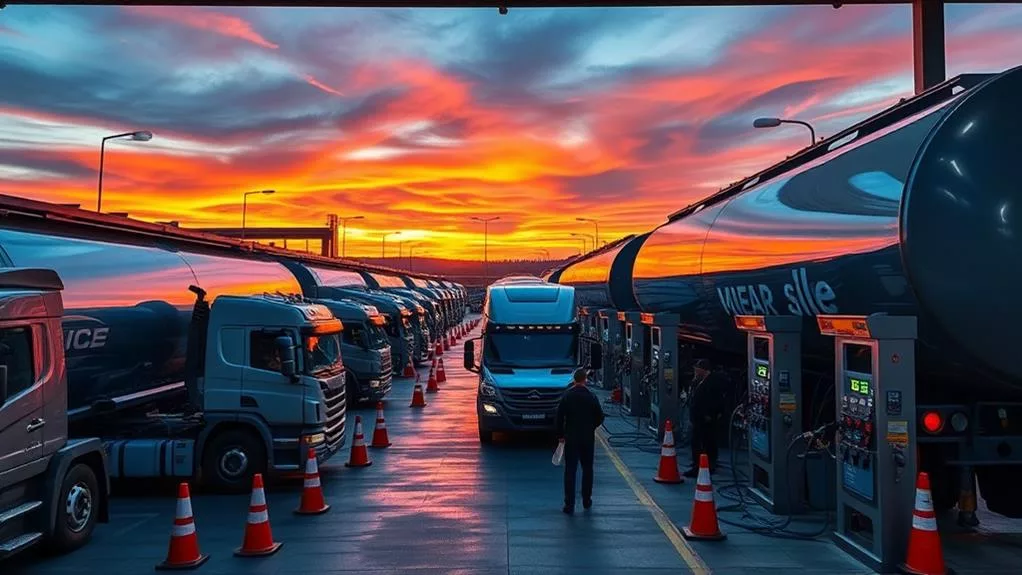
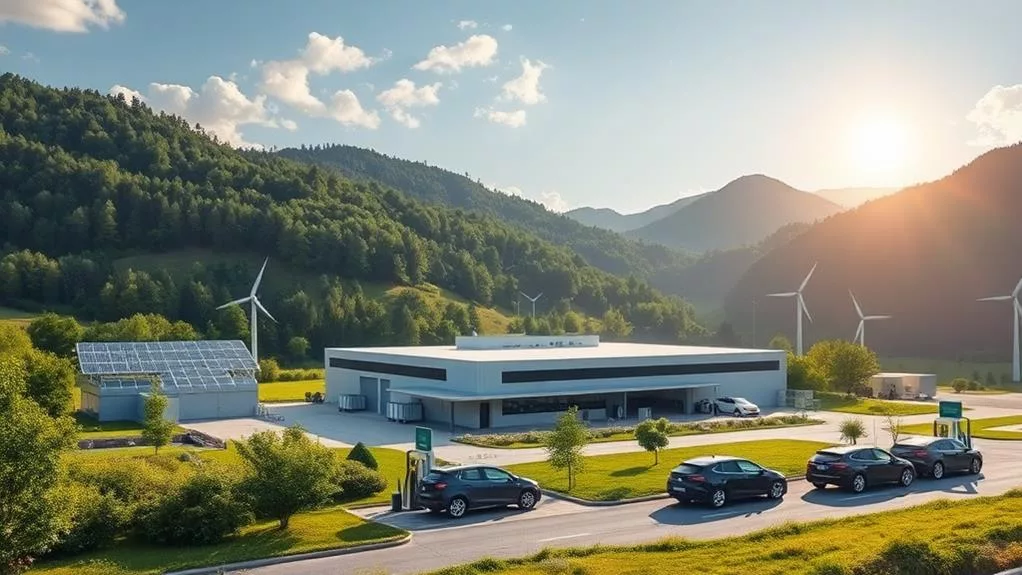
Eco-conscious agricultural fuel practices are vital for enhancing sustainability in farming. Utilising renewable fuels such as biodiesel, ethanol, and biogas reduces greenhouse gas emissions and decreases reliance on fossil fuels. Incorporating technologies like electric machinery and precision agriculture further optimises fuel consumption, thus reducing the carbon footprint. Governments support these initiatives through incentives, promoting a shift towards sustainable methods.
Innovations in biofuel technology and solar-powered equipment are reshaping energy use in agriculture. These practices not only improve soil health and biodiversity but also contribute to a sustainable future. Examining these insights reveals the transformative power of eco-friendly solutions.
Understanding Eco-Friendly Fuels
Eco-friendly fuels play a crucial role in transforming agricultural practices, significantly reducing environmental impacts. These fuels are derived from renewable sources like biodiesel, ethanol, and biogas, which greatly cut down on greenhouse gas emissions and decrease dependence on fossil fuels in farming operations. Integrating renewable energy into agricultural systems helps farmers achieve sustainable agriculture, ensuring long-term environmental and economic viability.
Biodiesel, a leading eco-friendly fuel, is produced from vegetable oils or animal fats. Utilising it in tractors and machinery not only decreases carbon emissions but also enhances the sustainability of agricultural practices.
Ethanol, a clean-burning alternative produced from crops such as maize and sugarcane, effectively substitutes for fossil fuels in various agricultural equipment. This transition to renewable energy sources is essential for reducing emissions and supporting sustainable agriculture.
Biogas, generated through anaerobic digestion of organic waste, provides a sustainable energy solution for farms. Its production and usage not only reduce carbon emissions but also improve soil health by recycling waste into valuable nutrients. Farmers adopting eco-friendly fuels like biogas help cultivate a collective commitment to reducing emissions and advancing sustainable practices, thus reinforcing a shared sense of purpose and belonging.
Reducing Carbon Emissions
Eco-friendly fuels hold great potential for sustainable agriculture, yet a comprehensive approach to reducing carbon emissions in farming is essential to tackle the significant environmental challenges. Agriculture is responsible for nearly a quarter of global emissions, highlighting the need for holistic strategies to reduce emissions across the sector. Embracing sustainable farming methods can enable the food and agriculture industry to achieve up to a 20% reduction in emissions by 2050, improving both environmental health and crop yield.
Climate-friendly practices are pivotal in this transformation. These practices enhance soil health, encourage biodiversity, and sequester carbon, contributing to the crucial goal of reducing emissions. Protecting natural ecosystems is vital, as they support biodiversity and aid in carbon sequestration, which strengthens the resilience of agricultural systems.
Governments can incentivise farmers to adopt these necessary practices. By investing in research and development, they can scale up climate-friendly technologies, ensuring energy efficiency and sustainability become standard practice. This collective effort promises a more sustainable, low-carbon future for the food and agriculture sectors, fostering a sense of belonging within a global movement towards ecological responsibility.
Optimizing Fuel Usage
Optimising fuel usage in agriculture significantly reduces the sector’s environmental impact and boosts operational efficiency. Sustainable farming practices help agricultural communities decrease their reliance on fossil fuels while adopting renewable energy solutions. Precision agriculture utilises GPS guidance systems, allowing farmers to perform tasks with pinpoint accuracy, which reduces unnecessary fuel consumption. This technological advancement promotes sustainability and shared responsibility for environmental stewardship.
Conservation tillage practices aid in reducing fuel usage. Limiting soil disturbance conserves energy and lowers greenhouse gas emissions, contributing to the global effort against climate change. Renewable energy technologies, such as solar-powered equipment, offer farmers the chance to reduce dependence on traditional fuel sources. Innovations like solar-powered water pumps, which cost around 10,000 South African Rand, align with the collective aspiration for a sustainable future in agriculture.
Transitioning to electric vehicles and machinery marks another important step forward. Switching from conventional fuel-dependent equipment to electric alternatives reduces the agricultural sector’s carbon footprint and advances sustainability. Adopting these changes fosters a sense of unity and belonging among those committed to creating a more environmentally conscious agricultural industry. Products like the John Deere Electric Tractor exemplify this shift towards eco-friendly farming practices.
Innovations in Fuel Technology
Examining advancements in fuel technology presents significant opportunities to address agriculture’s environmental impact. In the quest for sustainable farming, innovations such as biofuels, electric tractors, and hydrogen-powered equipment are crucial. These technologies reshape the energy landscape in agriculture, reducing greenhouse gas emissions and enhancing air quality. This promotes a healthier climate for food production.
Biofuels like biodiesel and ethanol offer renewable alternatives to traditional fossil fuels, decreasing carbon emissions during crop cultivation. Derived from organic materials, biofuels support a cycle that returns energy to the soil, aiding both crop health and energy sustainability.
Electric tractors and machinery, powered by batteries or solar energy, further decrease the carbon footprint associated with agricultural operations. These electric alternatives not only reduce emissions but also decrease operational costs, making them attractive for farmers committed to sustainable practices. For example, the Fendt e100 Vario electric tractor is a viable option for those looking to minimise emissions.
Hydrogen-powered equipment is an emerging clean energy solution, providing the potential for zero-emission farming. This technology contributes to a greener agricultural sector, aligning with the global need to reduce climate change impacts. The New Holland T6 Methane Power tractor is an example of a machine that utilises hydrogen technology for cleaner farming. Together, these innovations are essential in fostering an agricultural community dedicated to sustainable food production and environmental stewardship.
BB Energy’s Sustainable Solutions
BB Energy is leading in sustainable fuel solutions for agriculture, providing innovative options like biofuels to cut carbon emissions in farming. Biofuels sourced from renewable materials such as vegetable oils, animal fats, and recycled cooking oil align with the Panel on Climate Change’s aims to reduce emissions through improved practices. This initiative supports farmers in moving to environmentally sustainable methods and contributes significantly to the global endeavour to meet rising food demands without exacerbating climate change.
BB Energy‘s practices achieve notable reductions in greenhouse gas emissions compared to traditional fossil fuels, assisting the agricultural sector in reaching its decarbonisation goals. Offering renewable fuel alternatives cultivates a sense of community among farmers, united in restoring natural ecosystems and conserving resources.
This collective effort, backed by advanced solutions, underscores the vital role sustainable energy providers play in transforming agricultural practices. BB Energy‘s commitment is pivotal in crafting a sustainable future, ensuring the agricultural industry prospers while minimizing its environmental impact.
Looking to enhance your operations with reliable energy solutions? Explore our specialised services: from Bulk Diesel Distribution and Fuel Management Services to On-Site Refuelling in Vryheid and Truck Stop Services. Request a Quote or Join Our Energy Network today for tailored solutions that keep your business moving!