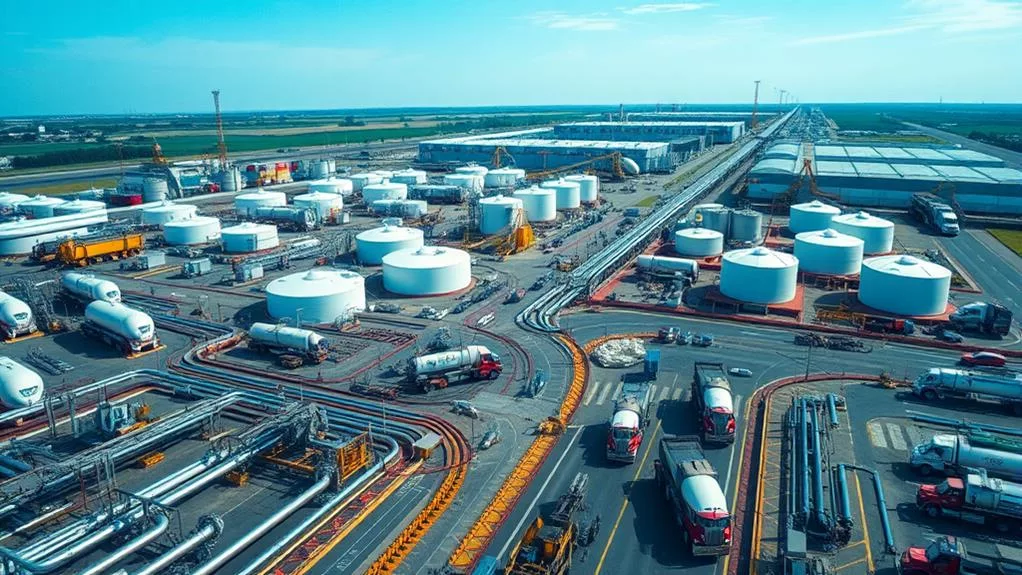
Diesel fuel is indispensable for agriculture, offering enhanced power and torque ideal for heavy-duty machinery. Its superior fuel efficiency reduces operating costs as it delivers a greater energy output per litre.
Known for exceptional durability, diesel engines withstand harsh farming conditions, ensuring uninterrupted operation with minimal maintenance. Their capacity to handle heavy loads and provide significant towing power further enhances operational efficiency.
Cost-effectiveness is achieved through reduced fuel consumption and the use of red diesel, promoting financial stability. Reliable fuel supply and efficient storage ensure continuous operations, boosting productivity. Understanding these advantages significantly improves agricultural performance.
Enhanced Power and Torque
Diesel engines are highly effective in agricultural applications due to their enhanced power and torque capabilities, essential for handling the rigorous demands of farming. The agricultural sector depends heavily on machinery capable of performing in challenging conditions. Diesel engines deliver greater power and torque compared to petrol engines, making them ideal for heavy-duty tasks like ploughing, tilling, and harvesting. This robust power is crucial for navigating large equipment through difficult terrains, ensuring operations run smoothly and efficiently.
A significant advantage of diesel engines in farming is their ability to produce substantial torque at low speeds. This low-end torque is vital for machinery such as tractors and combines, enabling them to manage heavy loads with ease and precision. The enhanced torque not only facilitates the seamless execution of farming tasks but also boosts overall operational efficiency, minimising downtime and enhancing productivity.
The agricultural sector’s demand for reliable and durable machinery is met through the superior power and torque of diesel engines. Farmers gain from these attributes, ensuring their operations remain productive and resilient amidst ever-evolving agricultural challenges. For example, the John Deere 8R Series tractors are renowned for their powerful engines, designed to tackle the toughest farming tasks efficiently.
Superior Fuel Efficiency
Agricultural operations gain significant advantages from the superior fuel efficiency of diesel engines, which is a vital factor in reducing operating expenses and boosting profitability. Diesel engines excel in burning fuel more completely compared to their petrol counterparts, resulting in a higher energy output per litre consumed. This efficiency not only leads to substantial cost savings for farmers but also supports a more sustainable agricultural approach through reduced fuel consumption.
The high torque produced by diesel engines further enhances their fuel efficiency. This allows agricultural machinery to carry out demanding tasks with less effort, minimising excessive fuel use. Farmers can rely on diesel engines to power their equipment with the confidence of lower fuel expenses, allowing for more effective resource allocation.
Moreover, the environmentally friendly aspect of diesel engines adds value. Their efficient fuel consumption results in fewer emissions, contributing to a cleaner environment and aligning with the industry’s increasing focus on sustainability. Opting for diesel engines enables agricultural entities to not only improve their economic performance but also to join a community dedicated to responsible environmental stewardship.
For instance, the John Deere 6R Series tractors are known for their efficient diesel engines, offering excellent performance and reduced fuel consumption.
Alternatively, the Massey Ferguson 8700 Series provides robust power and efficiency, making them a popular choice for many farmers.
Exceptional Durability
Building upon the benefits of superior fuel efficiency, another significant advantage of diesel engines in agriculture is their exceptional strength. Diesel engines are well-known for their robust construction and longevity, often outlasting their petrol counterparts. This remarkable durability is a key element in making diesel engines an essential part of reliable machinery.
In the demanding agricultural environment, where downtime can greatly impact productivity and income, machinery that consistently performs is vital. Diesel engines, with their fewer moving parts, are less prone to breakdowns, ensuring continuous operation and reducing the need for frequent maintenance.
Diesel engines withstand harsh farming conditions, highlighting their durability. Whether dealing with dust, mud, or extreme temperatures, these engines maintain their performance, providing a reliable power source for diverse agricultural tasks. This resilience not only minimises repair costs but also improves the overall effectiveness of diesel-powered machinery.
For farmers, this translates to increased operational efficiency and cost savings over time. The long-lasting nature of diesel engines offers a sense of security and belonging to a community that values hard work and reliability, reinforcing their position as a preferred choice in agricultural machinery.
A specific example is the John Deere 6R Series, renowned for its durability and efficiency. These tractors handle tough environments with ease, ensuring reliable performance even under challenging conditions. For those seeking an alternative, the Massey Ferguson 6700 Series offers a blend of power and robustness, making it suitable for various farm tasks. Both options provide excellent value for money, enhancing productivity and reducing operational costs.
Heavy Load Capability
In agriculture, managing heavy loads is crucial, and diesel engines excel in this area. Built for power and endurance, they form the backbone of many farming operations, essential for handling substantial weight and size. Their high torque output is key, allowing them to efficiently and reliably perform heavy-load tasks. This is particularly important in farming, where transporting large loads and operating heavy machinery is a daily requirement.
Diesel engines offer superior towing capacity compared to petrol engines, making them ideal for agricultural demands. Whether towing a plough across a field or moving harvested crops, their ability to manage significant weight at low speeds is unrivalled. This low-end torque is essential for the gradual, steady movement often needed in farming, ensuring equipment operates smoothly without strain.
The robust design of diesel engines allows them to withstand the demands of agricultural machinery. This durability ensures long-term operation, providing the reliability farmers need to maintain productivity. A noteworthy model is the Perkins 1104D-44TA, known for its strength and resilience, embodying the power required for modern agriculture.
For those considering a switch or upgrade, the John Deere 4045T engine is highly recommended for its efficiency and durability, suited to the strenuous needs of farming tasks. Investing in quality diesel engines ensures equipment remains reliable, enhancing operational efficiency in agricultural settings.
Cost-Effective Solutions
One of the primary benefits of diesel fuel in agricultural operations is its cost-effectiveness, attributed to higher energy efficiency and reduced fuel consumption compared to alternatives. This efficiency translates into significant cost savings, permitting farmers to allocate resources judiciously and invest in other vital areas of their agricultural endeavours. Diesel fuel’s superior energy output ensures machinery operates with optimal power, reducing the overall amount of fuel needed for demanding tasks.
Diesel engines offer durability and longevity, contributing to further cost savings. They are designed to endure the challenges of agricultural use, reducing the need for frequent maintenance and expensive replacements. This reliability keeps equipment operational for longer periods, maximising productivity and minimising downtime.
Cost-effective options like red diesel provide additional financial relief, enhancing the efficiency of agricultural operations and boosting profitability. Red diesel is specifically designed for off-road agricultural use, with reduced taxation significantly lowering operating costs.
Incorporating diesel fuel into agricultural practices not only bolsters the financial stability of farming enterprises but also fosters a sense of community among farmers as they adopt shared strategies for improved efficiency and sustainability.
Reliable Fuel Supply
A reliable fuel supply is crucial for efficient agricultural operations, with diesel fuel serving as a consistent energy source for powering vital machinery. In agriculture, where timetables are vital, a steady flow of diesel fuel is essential. Diesel engines, noted for their durability and efficiency, need a dependable energy source to perform optimally. A sufficient diesel fuel supply reduces downtime risks, enabling farmers to focus on productive tasks without worrying about fuel shortages.
Effective diesel fuel storage practices greatly enhance operational continuity on farms, ensuring activities proceed smoothly. For the agricultural community, a reliable fuel supply not only supports daily operations but also provides a sense of security, knowing machinery will run uninterrupted. Choosing a reputable diesel fuel supplier is crucial for ensuring a consistent supply. This decision can prevent costly delays and help maintain high productivity levels.
Ultimately, a reliable fuel supply is vital for meeting the demands of modern agriculture efficiently and effectively.
Looking to enhance your operations with reliable energy solutions? Explore our specialised services: from Bulk Diesel Distribution and Fuel Management Services to On-Site Refuelling in Vryheid and Truck Stop Services. Request a Quote or Join Our Energy Network today for tailored solutions that keep your business moving!